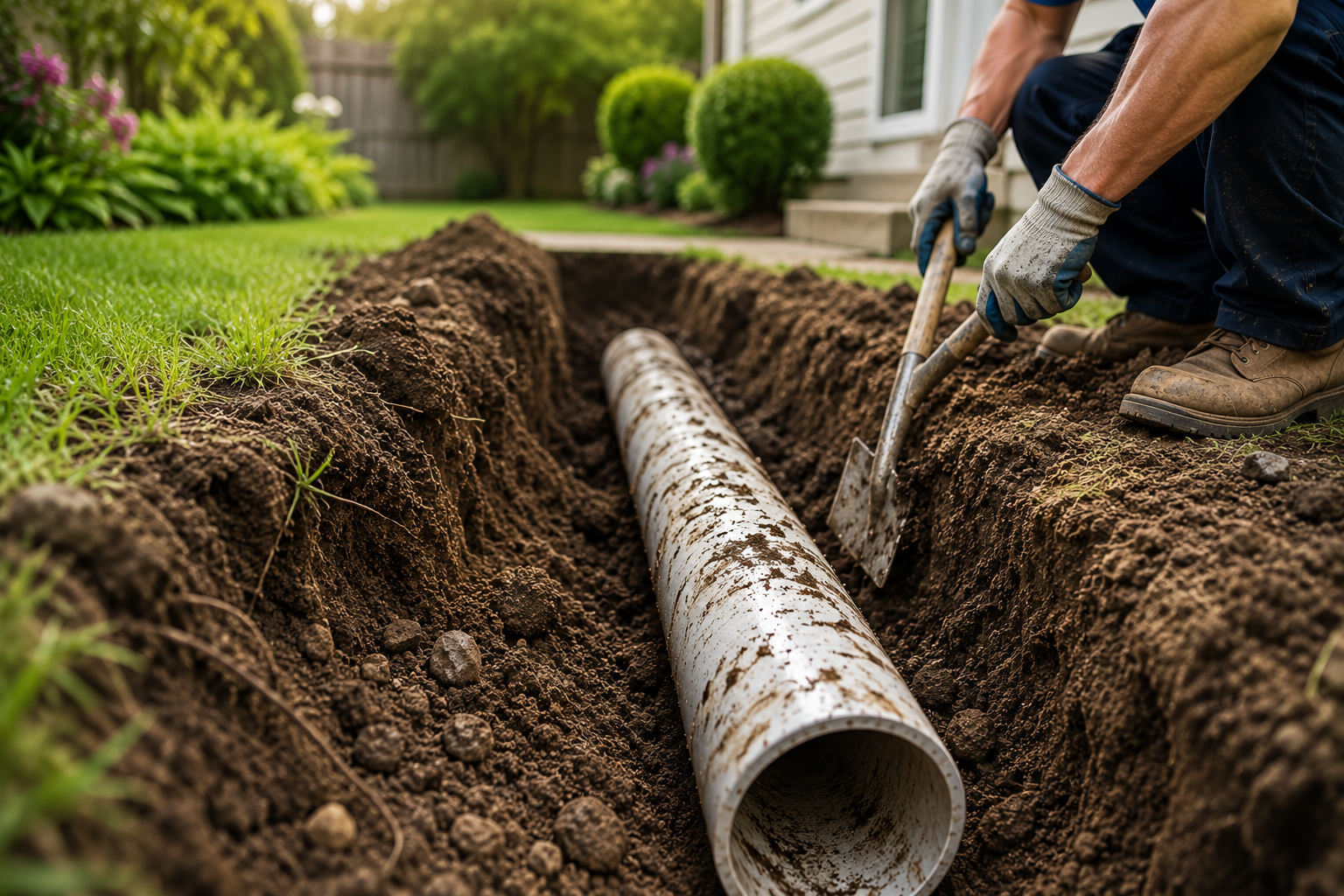
A damaged sewer line is one of the most expensive plumbing problems a homeowner can face. Whether you’re dealing with recurring drain backups, foul odors, or soggy patches in your yard, understanding the cost of sewer repair can help you budget and make informed decisions.
While every situation is different, most homeowners can expect to pay anywhere from $1,500 to $7,000 for sewer repair, depending on the extent of the damage, the repair method, and the location of the pipe.
Average Sewer Repair Costs
The cost of plumbing and sewer repair depends on several factors, including pipe material, accessibility, labor, and whether excavation is required.
| Type of Sewer Repair | Typical Cost |
|---|---|
| Minor sewer line repair | $500–$1,500 |
| Spot repair | $1,000–$3,000 |
| Traditional sewer repair (excavation) | $2,500–$7,000+ |
| Trenchless sewer repair | $3,000–$8,000 |
| Complete sewer line replacement | $4,000–$15,000+ |
These figures are national averages. Your actual cost may vary based on your location and the complexity of the project.
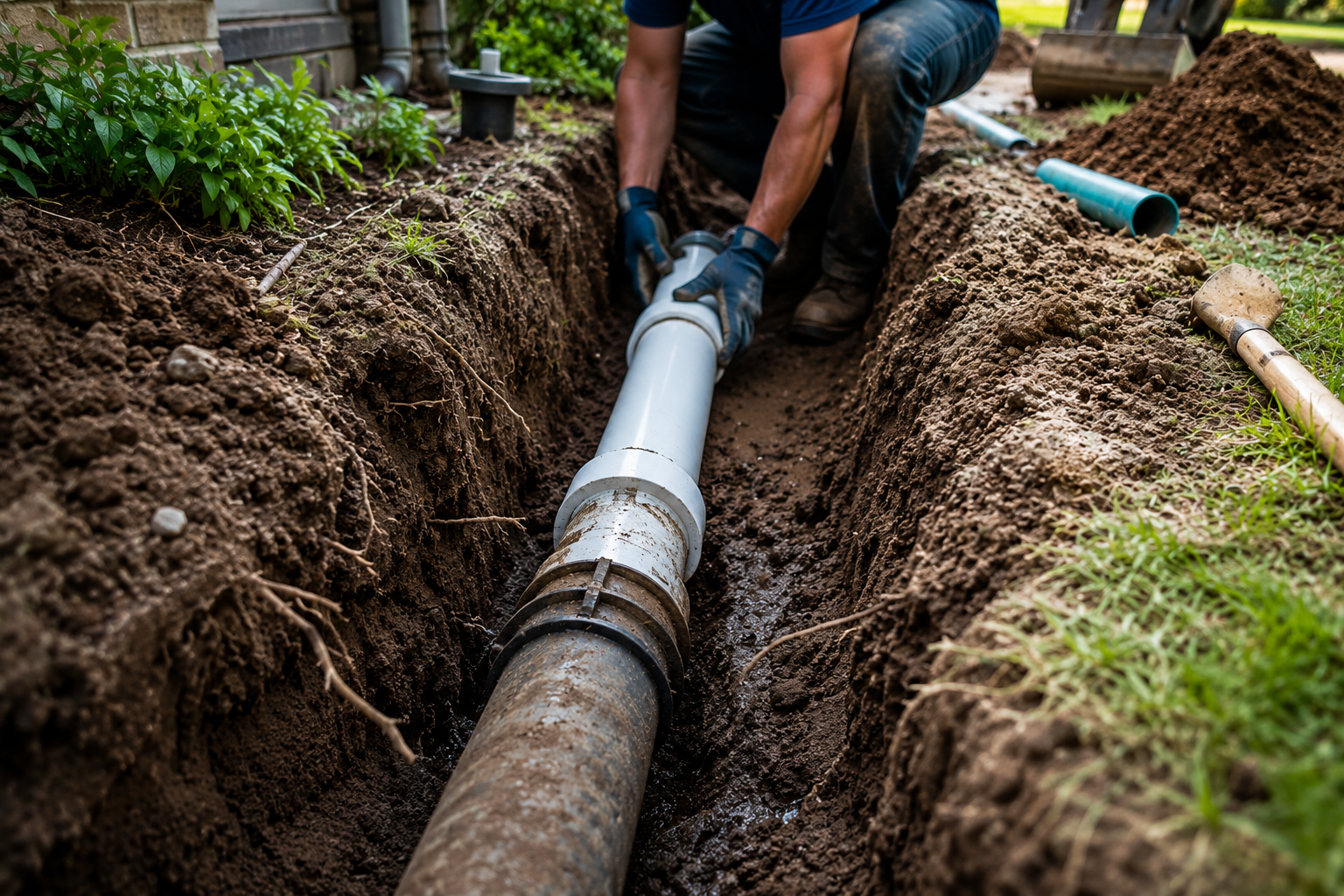
Estimated Sewer Repair Costs by Repair Type
What Affects the Cost of Sewer Repair?
Several factors determine how much you’ll pay for plumbing and sewer repair.
1. Type of Damage
Small cracks or isolated leaks are much less expensive to repair than collapsed pipes or extensive root intrusion.
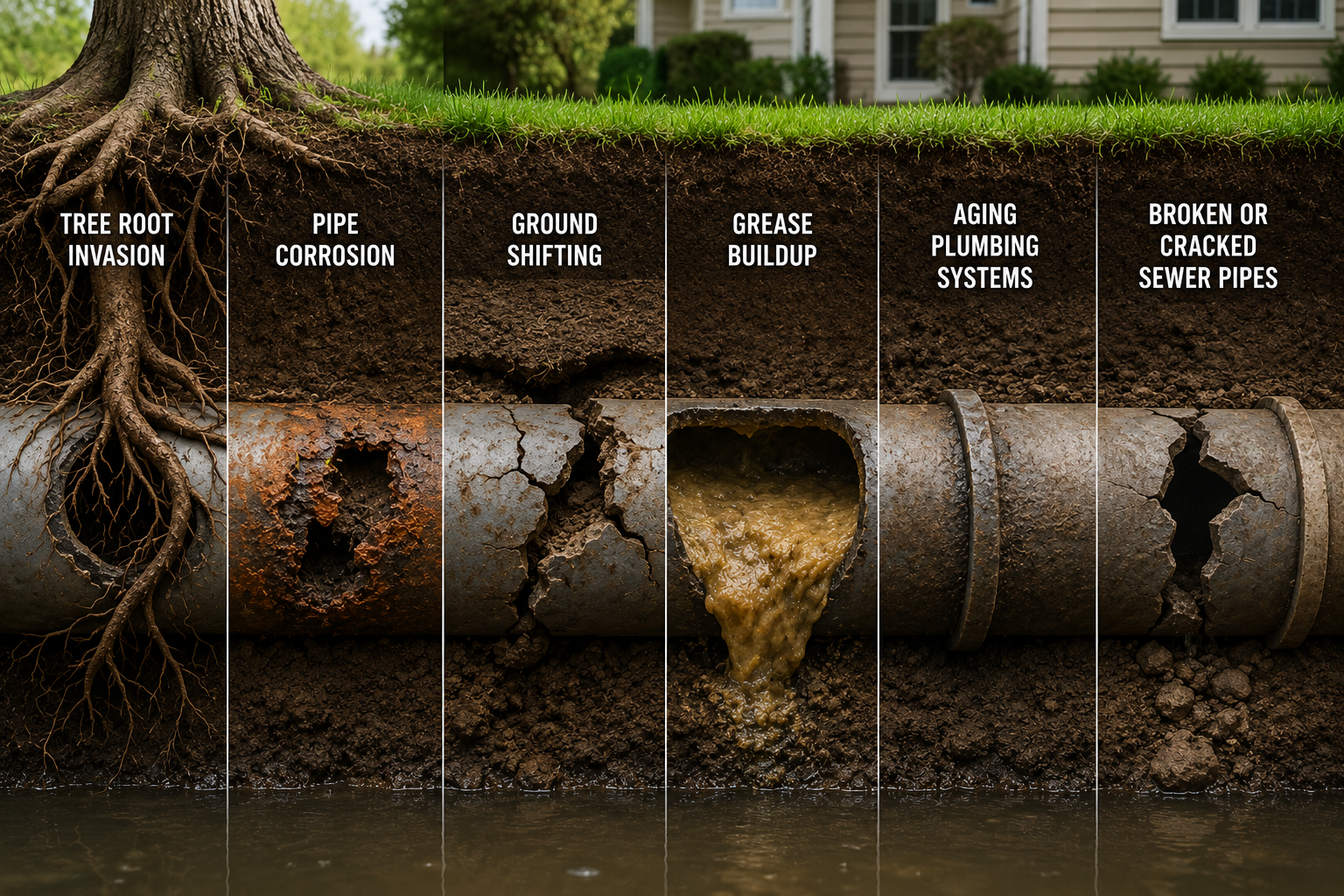
Common causes include:
- Tree root invasion
- Pipe corrosion
- Ground shifting
- Grease buildup
- Aging plumbing systems
- Broken or cracked sewer pipes
2. Location of the Damage
A sewer line beneath a driveway, patio, or mature landscaping typically costs more to repair than one located in an open yard.
3. Pipe Material
Older homes may have clay, cast iron, or Orangeburg pipes that are more susceptible to failure and often require replacement rather than repair.
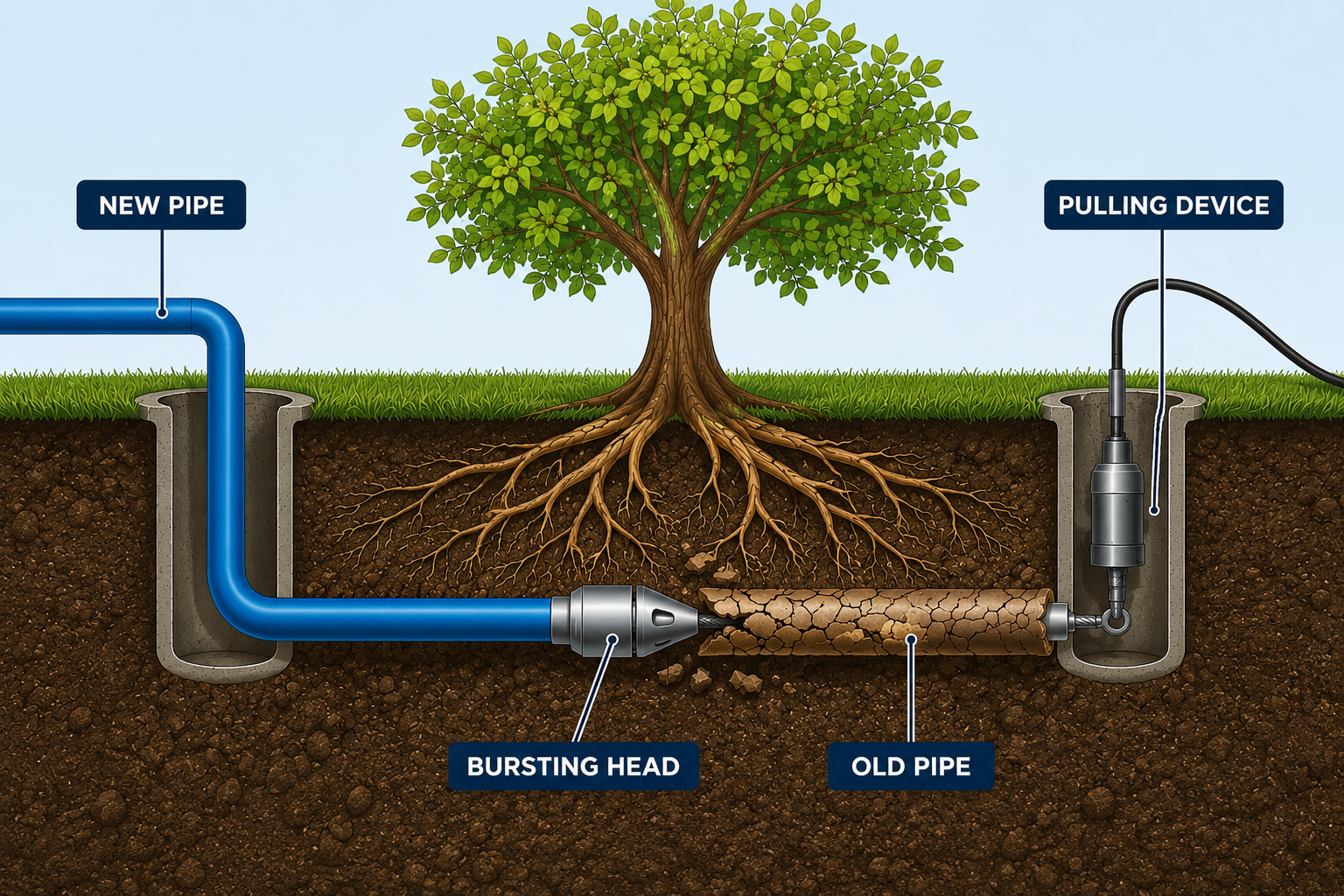
4. Traditional vs. Trenchless Sewer Repair
Traditional sewer repair involves digging a trench to access the damaged pipe.
Trenchless sewer repair often costs more upfront but may reduce:
- Landscape damage
- Driveway repairs
- Labor time
- Restoration costs
Signs You May Need Sewer Repair
Early detection can help prevent larger plumbing problems.
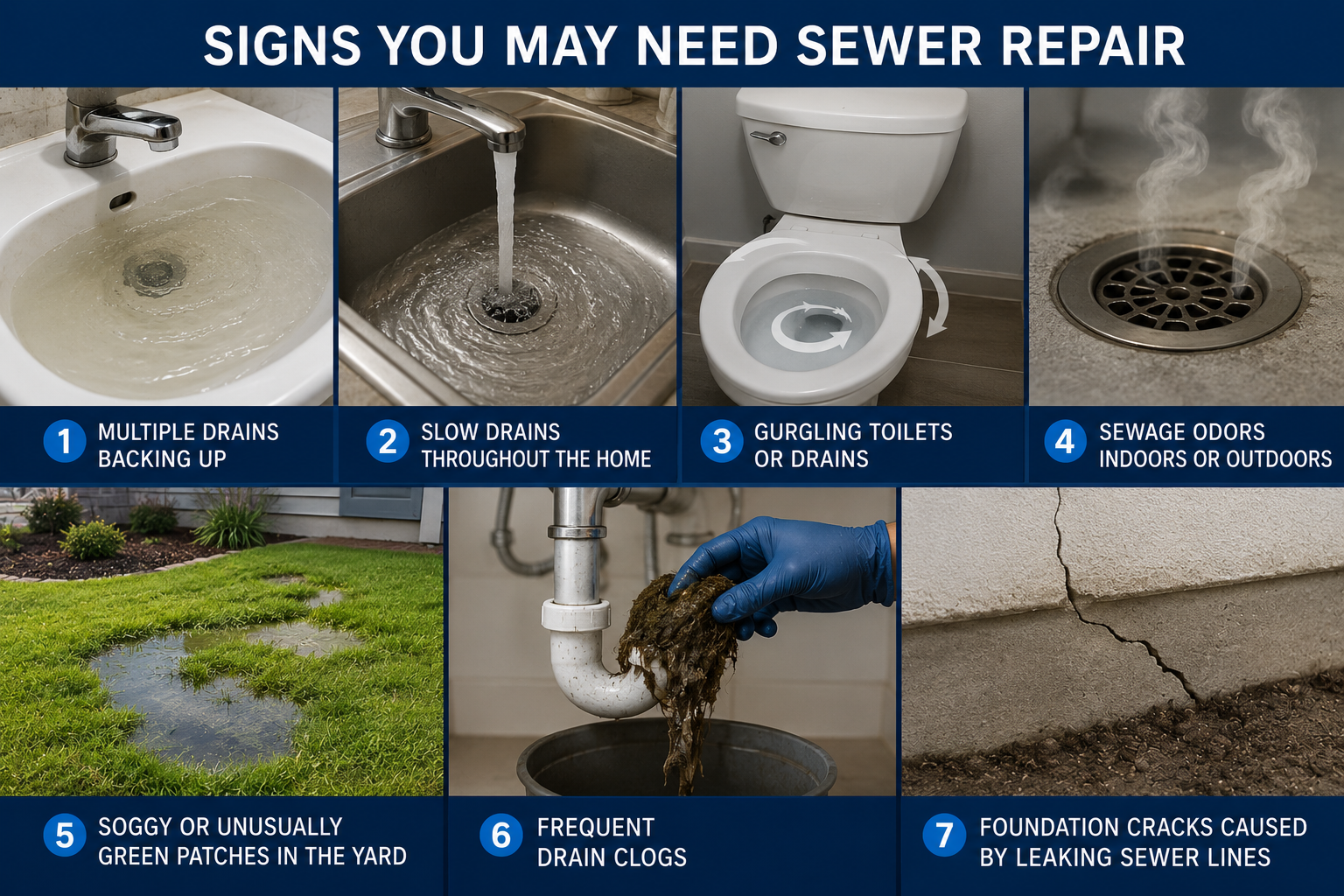
Watch for these warning signs:
- Multiple drains backing up
- Slow drains throughout the home (Learn how to fix a slow drain in bathtub.)
- Gurgling toilets or drains (Find out what causes drains to gurgle.)
- Sewage odors indoors or outdoors (Read why does my shower drain smell like sewage?)
- Soggy or unusually green patches in the yard
- Frequent drain clogs (Learn how to use a drain pipe auger.)
- Foundation cracks caused by leaking sewer lines
If you notice several of these symptoms at once, schedule a professional plumbing inspection as soon as possible.
How Plumbers Diagnose Sewer Problems
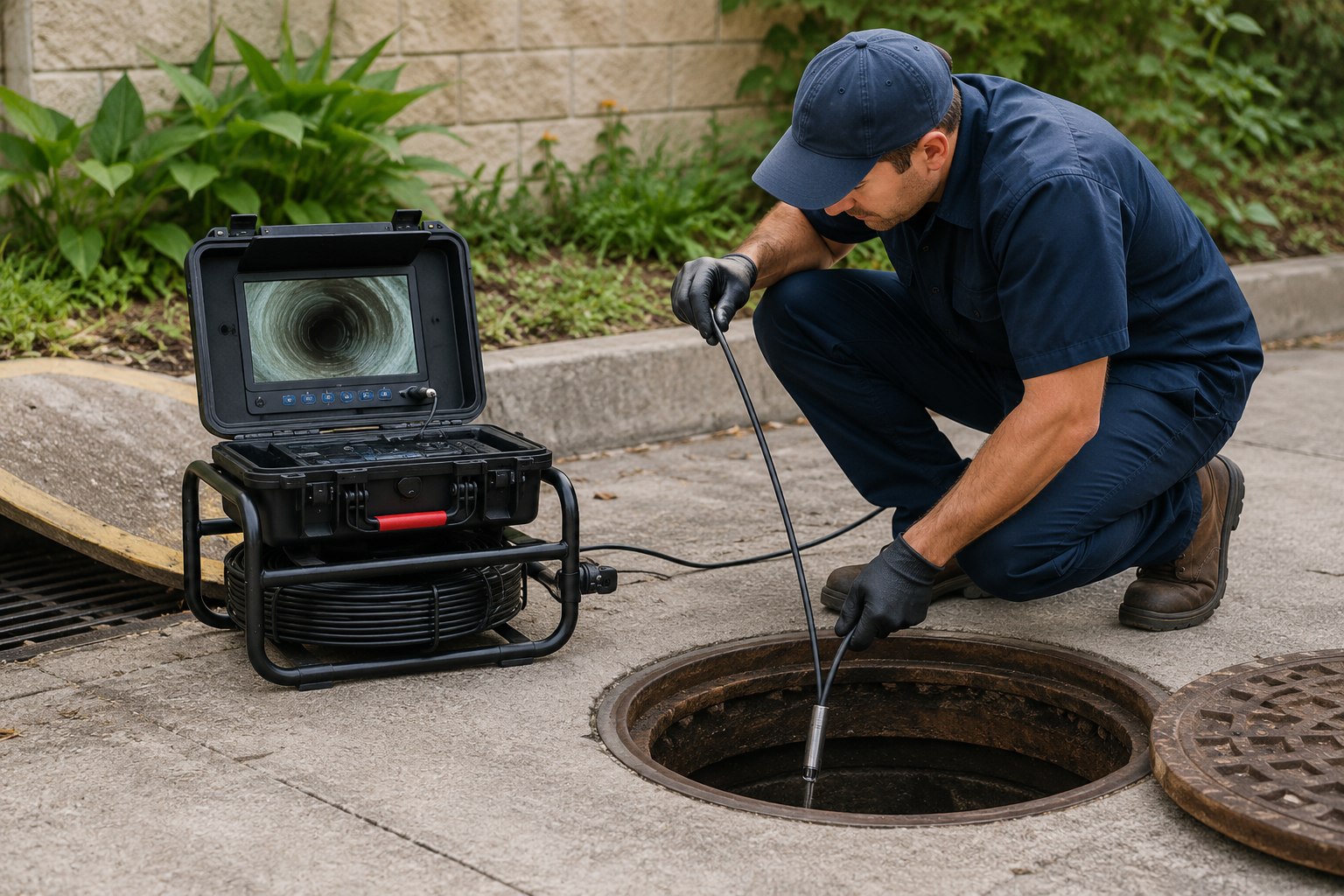
Before recommending sewer repair, most plumbing professionals perform a sewer camera inspection.
A small waterproof camera is inserted into the sewer line to identify:
- Cracks
- Root intrusion
- Pipe separation
- Bellied sections
- Blockages
- Collapsed pipes
This allows plumbers to recommend the most cost-effective repair without unnecessary excavation.
Can Homeowners Insurance Cover Sewer Repair?
Sometimes.
Coverage depends on the cause of the damage.
Insurance may cover sewer damage caused by:
- Sudden accidents
- Falling trees
- Vehicle impacts
- Covered natural disasters
However, most policies do not cover repairs resulting from:
- Normal wear and tear
- Corrosion
- Lack of maintenance
- Tree root intrusion
- Aging pipes
Review your policy or speak with your insurance provider to understand your coverage.
Can Sewer Problems Be Prevented?
While not every plumbing issue is avoidable, routine maintenance significantly reduces the risk of costly sewer repair.
Helpful prevention tips include:
- Schedule routine plumbing inspections.
- Avoid flushing wipes, grease, and hygiene products. (Read can flushable wipes clog toilets?)
- Install root barriers if large trees are nearby.
- Address slow drains promptly.
- Consider periodic sewer camera inspections for older homes.
Preventive maintenance is often far less expensive than emergency sewer repair.
When Should You Call a Plumbing Professional?
Don’t ignore persistent plumbing issues.
Contact a licensed plumber if you experience:
- Repeated drain backups
- Sewage odors
- Standing water in your yard
- Multiple clogged fixtures
- Water backing up into tubs or showers
Prompt sewer repair can prevent property damage and help you avoid a complete sewer line replacement.
Frequently Asked Questions
How much does it cost to repair a sewer line?
Most sewer repairs cost between $1,500 and $7,000, depending on the severity of the damage and the repair method used.
Is trenchless sewer repair cheaper?
Not always. Trenchless methods can have higher upfront costs but often reduce landscape restoration expenses, making them cost-effective in many situations.
What is the most expensive part of sewer repair?
Excavation, labor, and replacing long sections of damaged pipe typically account for the largest portion of repair costs.
How long does sewer repair take?
Minor repairs may be completed in one day, while larger excavation or replacement projects can take several days depending on weather and site conditions.
How do plumbers find sewer line damage?
Most plumbing companies use sewer camera inspections to pinpoint the exact location and cause of the problem before recommending repairs.
Can a damaged sewer line cause foundation problems?
Yes. A leaking sewer line can erode soil beneath your home, potentially contributing to foundation movement or settling if left unaddressed.
Conclusion
The cost of sewer repair varies widely based on the extent of the damage and the repair method required. Investing in routine plumbing maintenance, addressing warning signs early, and scheduling professional inspections can help you avoid more expensive repairs in the future. If you suspect a sewer line problem, contacting a qualified plumbing professional promptly is the best way to protect your home and minimize repair costs.