Clogged drains happen to the best of us. Whether it’s hair in the shower, food scraps in the kitchen sink, or some mystery object that found its way down the line, sooner or later you’ll be faced with slow drainage. When plungers and hot water just don’t cut it, it may be time to bring out the heavy hitter: the drain pipe auger.
Don’t worry—using a drain auger (also known as a plumbing snake) isn’t as intimidating as it sounds. With a little patience and a few simple steps, you can clear many common clogs on your own. Let’s walk through it.
Try Easier Fixes First
Before reaching for an auger, you may want to try a few quicker solutions first. Sometimes boiling water, a plunger, or a safe drain-cleaning method can get the job done. For some easy DIY options, check out this helpful guide: Is Your Drain Clogged? Here’s What to Do.
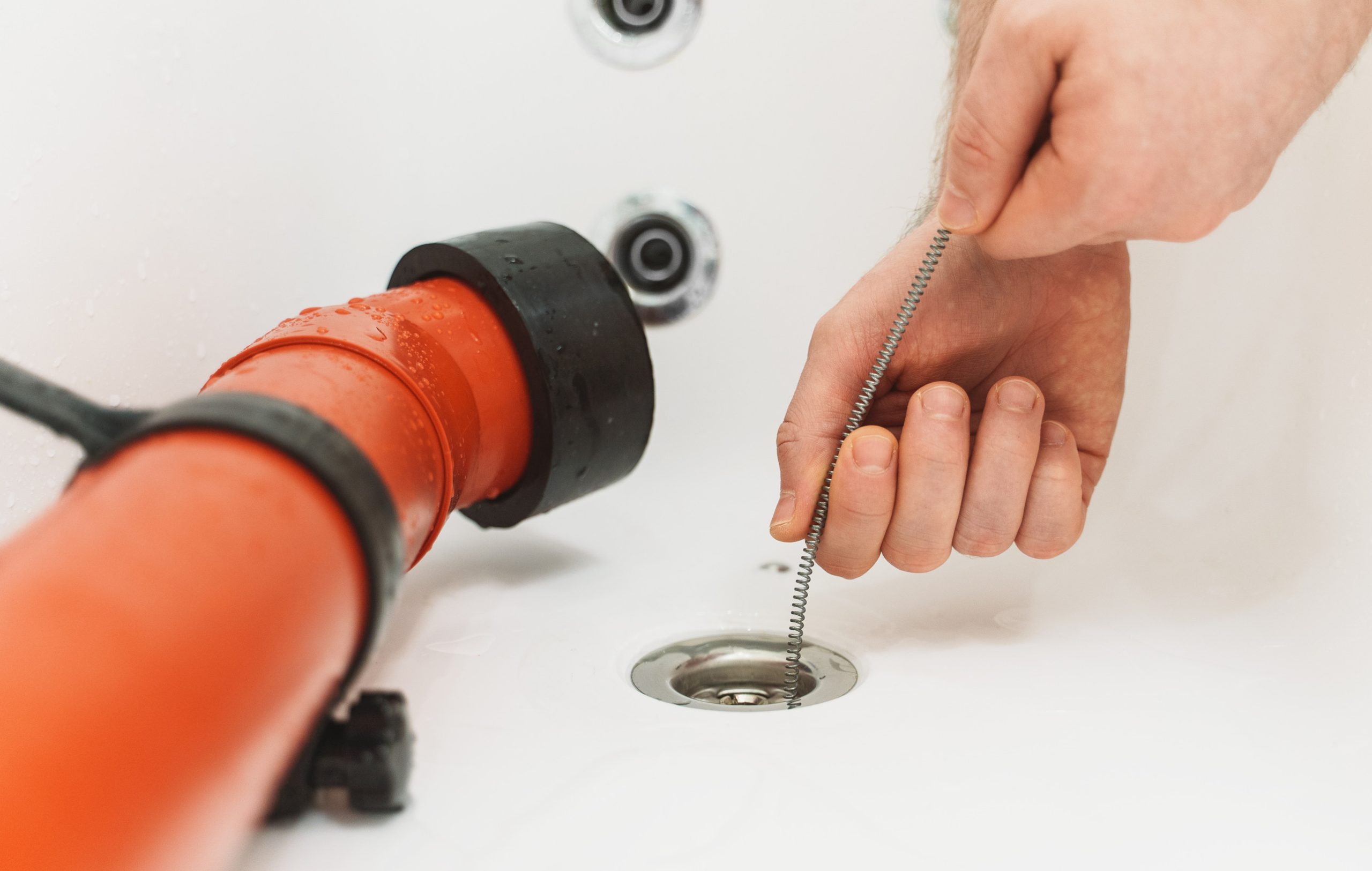
A drain pipe auger (more commonly known as a drain snake or plumber’s snake) is a essential tool for clearing stubborn clogs deep within your plumbing pipes. You use it when simpler methods fail.
Here’s a breakdown of when to use a drain auger and, just as importantly, when not to.
When to Use a Drain Pipe Auger
You should reach for a drain auger in these specific situations:
-
After a Plunger Fails: A plunger is the first line of defense for many clogs. If you’ve plunged vigorously several times and the drain remains completely blocked or drains very slowly, the clog is likely too deep or too solid for suction to clear. This is the prime scenario for using an auger.
-
For Stubborn, Deep Clogs: Augers are designed to travel several feet into your pipes to reach clogs that are far from the drain opening. This is their key advantage over chemical drain cleaners, which often can’t reach the clog or dissolve it completely.
-
For Specific Types of Blockages: An auger is particularly effective against:
-
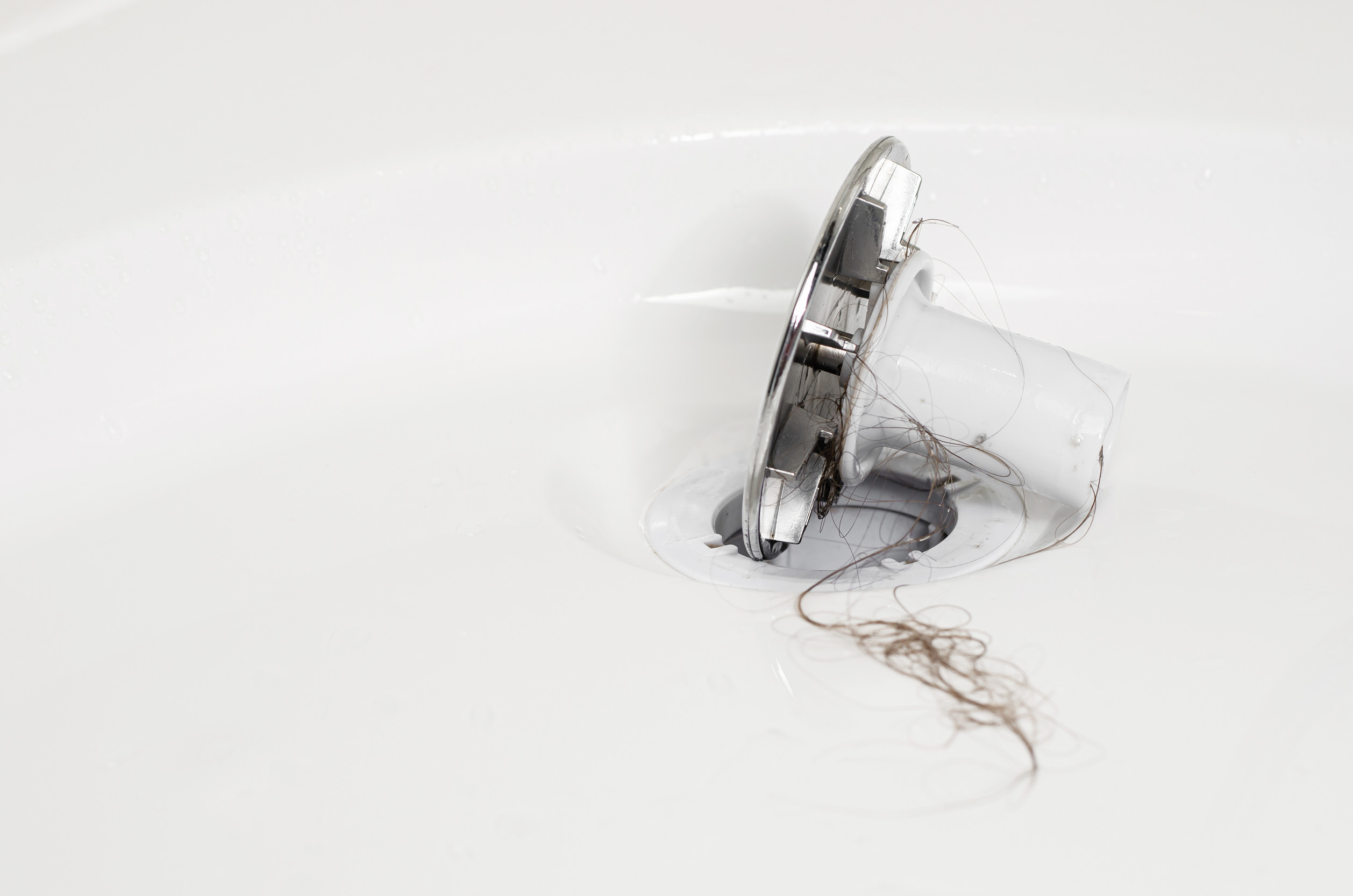
Hair Clogs: The most common culprit in bathroom sinks and shower drains. The auger’s corkscrew end (the auger bit) is perfect for snagging and pulling out hair wads.
-
Soap Scum Accumulation: In combination with hair, soap can create a hard, cement-like mass that an auger can break apart.
-
Small Objects: Sometimes, small items like jewelry, bottle caps, or children’s toys fall into drains. A hand-crank auger can often hook and retrieve them.
-
Grease and Food Buildup: In kitchen sinks, an auger can break up globs of solidified grease and food waste.
-
-
To Avoid Harsh Chemicals: Drain cleaners are caustic chemicals that can damage your pipes (especially older metal pipes) over time, are harmful to the environment, and pose a safety risk. A drain auger provides a mechanical, chemical-free solution.
When NOT to Use a Drain Auger
There are times when using an auger is ineffective or could cause damage:
-
In Toilets: For toilets, you should use a specific tool called a closet auger (or toilet auger). These are designed with a protective sleeve to prevent scratching the delicate porcelain and have a different bending mechanism to navigate the toilet’s trap. A standard drain auger can severely damage your toilet.
-
For Minor Surface Clogs: If a simple combination of boiling water, a plunger, or a plastic drain hair snake (a “zip strip”) clears the drain, you don’t need the heavier equipment.
-
If You Suspect a Main Line Clog: If multiple fixtures in your home are backing up at once (e.g., water comes up in the shower when you flush the toilet), the clog is likely in the main sewer line. While there are large, powerful augers for this job, it’s usually a task for a professional plumber with a motorized drain rooter machine.
-
If You Are Unsure of the Pipe Material: In very old homes with fragile clay, cast iron, or PVC pipes that are already compromised, an inexperienced user could potentially damage the pipes further.
Summary:
| Situation | Recommended Tool |
|---|---|
| Slow or clogged sink/shower drain | 1. Plunger 2. Drain Auger |
| Clogged toilet | Toilet Auger (never a standard auger) |
| Multiple drains clogged | Call a Plumber (main line issue) |
| Simple hair clog near surface | Plastic drain strip / “Zip Strip” |
In short, use a hand-crank drain auger for stubborn sink, tub, or shower clogs that a plunger can’t fix. It’s a powerful, chemical-free tool that every homeowner should know how to use for basic plumbing maintenance. For anything more complex or if you’re uncomfortable, calling a professional is always the safest bet.

Step-by-Step: How to Use a Drain Pipe Auger
-
Prepare the Area
Place a bucket or towel under the drain to catch any water or debris. Trust me, things can get messy fast—because plumbing always keeps things flowing. -
Insert the Auger Cable
Feed the end of the auger into the drain opening slowly. Keep turning the handle clockwise to guide the cable down. -
Work Through the Clog
Once you feel resistance, you’ve likely hit the blockage. Crank the handle to push through the clog. The auger may break up the debris, hook it, or push it further down the pipe. -
Retrieve the Cable
Slowly wind the auger back out, keeping the tension steady. If you’ve hooked onto the clog, you may pull it out with the cable. -
Flush the Drain
Run hot water through the pipe to wash away any remaining debris and check that the flow is clear.
When to Call in the Pros
A drain auger is a great tool, but it’s not a cure-all. If you’ve tried it and the water still won’t budge—or if the clog keeps coming back—it may be a sign of a bigger plumbing issue. That’s where professional help makes all the difference.
👉 Need reliable help with your drains, pipes, or any plumbing problem? Contact Blue Moon Plumbing for full plumbing services and let the experts handle the dirty work.
🚰 Quick Reference: Using a Drain Pipe Auger
-
Prep the area – Place a bucket/towel under the drain.
-
Insert the auger – Feed the cable in slowly, turning clockwise.
-
Work the clog – Crank the handle when you feel resistance.
-
Pull it out – Retract the auger carefully.
-
Flush with hot water – Rinse to clear remaining debris.
💡 If the clog keeps coming back, it’s time to call a plumber—you don’t want to be “drained” by the same problem twice.
FAQ About Using a Drain Pipe Auger
Should you wet the drain before you snake it?It’s best to remove standing water first, but leaving a little water in the pipe can actually help the snake slide through more easily.
Should you run water while using a drain snake?
No—avoid running water while snaking. Instead, clear the clog first and then flush the drain with hot water to wash away loosened debris.
What is the difference between a drain snake and a drain auger?
The terms are often used interchangeably, but generally, a drain snake is a lighter tool for small clogs, while a drain auger is designed for tougher, more stubborn blockages.