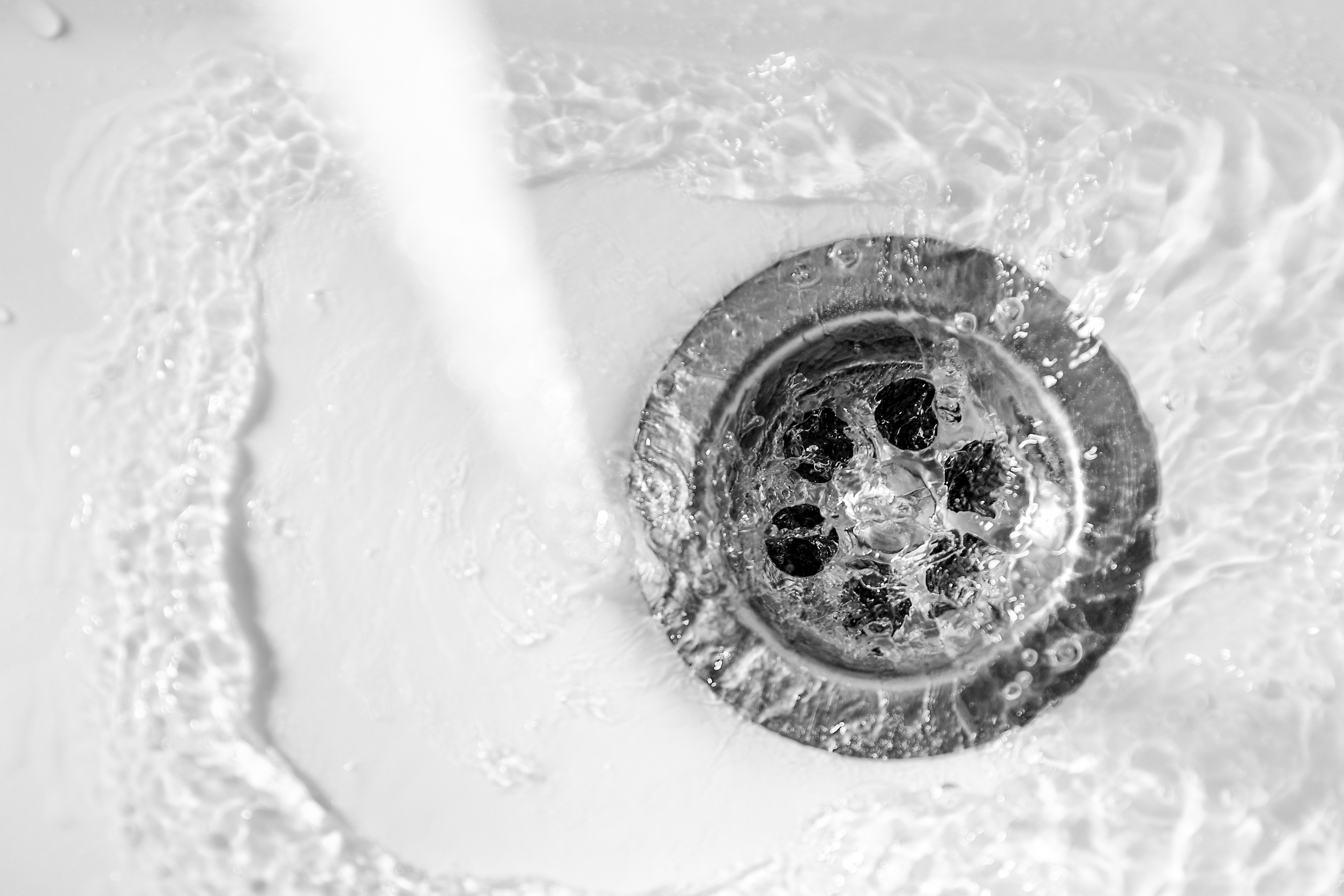
Gurgling drains are unsettling, especially when you’re not sure what they mean. Or what to do about them. That strange bubbling or glug-glug noise usually signals a deeper issue within your plumbing system. So, what causes drains to gurgle? Understanding the signs, root causes, and effective fixes will help you address the problem before it turns into a plumbing disaster.
Signs of Gurgling Drains
Drain gurgling is often the first symptom of an underlying problem in your plumbing. Common signs include:
- Bubbling sounds when water drains from your sink, shower, or bathtub
- Slow drainage or water backing up into sinks or tubs
- Bad odors coming from the drain
- Water in nearby fixtures rising or bubbling when another fixture is used (e.g., toilet water bubbles when you run the sink)
These signs suggest there is either a blockage, venting issue, or a problem in the sewer line. The earlier you address them, the less likely they are to lead to significant damage.
What Causes Drains to Gurgle?
So, what causes drains to gurgle in the first place? It usually comes down to air getting trapped in your pipes. That trapped air may be the result of one of several issues:
1. Clogged Drains
The most common culprit is a clog somewhere in the drainpipe. Hair, grease, food particles, or foreign objects can create blockages that restrict water flow. As water tries to get past the obstruction, air bubbles form and create the gurgling noise. Is your drain clogged? Here’s what to do.
2. Blocked Vent Pipes
Plumbing systems have vent pipes that allow air to flow in and out of the drain system. These vents regulate pressure and ensure smooth water flow. If a vent becomes blocked by debris, leaves, or even a bird’s nest, the system can’t breathe properly. This causes negative pressure that pulls air through the water in your traps, making that familiar gurgling sound.
3. Sewer Line Issues
Gurgling drains could also be a red flag for a larger problem in your main sewer line. Tree roots, sediment buildup, or a collapsed pipe can interfere with wastewater flow. When this happens, gurgling is often accompanied by slow drains throughout the house and foul odors. In severe cases, you may even notice wastewater backing up into your home.
4. Improperly Installed Plumbing
In some cases, the gurgling could stem from incorrect pipe installation. If your home’s plumbing was installed without proper slope, venting, or trap placement, you may hear gurgling even when there’s no clog. This is more common in DIY plumbing jobs or older homes with outdated systems.
5. Garbage Disposal Issues
If your kitchen sink is gurgling, your garbage disposal might be to blame. When food waste or grease builds up in the disposal or nearby pipes, it can partially block water flow and trap air, leading to a bubbling or gurgling sound. Running the disposal with plenty of water may help, but if the noise continues, a deeper clog or vent issue could be the cause. Read our article about what not to put in a garbage disposal to learn helpful information.
How to Fix Gurgling Drains
Fixing a gurgling drain starts with identifying the cause. Here are some steps to take:
1. Clear the Clog
If a single drain is gurgling, try using a plunger or drain snake to dislodge any blockages. Avoid using chemical drain cleaners, as they can corrode your pipes over time.
2. Check the Vent Pipes
Inspect your roof vents to make sure they’re not blocked. Use a flashlight to look down the pipe, or flush it with water. If you’re uncomfortable working on the roof, a professional plumber can safely handle it.
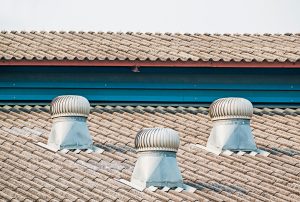 Huntington (2024) Plumbing needs to include properly vented traps to maintain a barrier between living spaces and the sewage system. Venting can be wrong in several ways, including flat venting, horizontal venting below a flood rim or no venting at all. Any of these can easily be a code violation.
3. Schedule a Professional Drain Cleaning
For persistent gurgling, it’s best to bring in a professional. At Blue Moon Plumbing, we offer expert drain cleaning services to clear clogs and restore proper flow in your plumbing system.
4. Inspect the Sewer Line
If gurgling occurs in multiple fixtures, your main sewer line may be the issue. A licensed plumber can use a video camera inspection to pinpoint the exact problem. Sewer line repairs are not DIY-friendly and should always be handled by pros.
5. Upgrade or Correct Faulty Plumbing
If poor installation is the root cause, your system may need professional correction. This could involve re-sloping pipes, installing new vents, or adding traps.
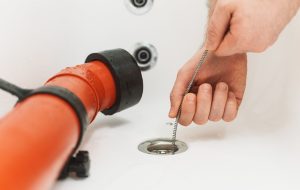 6. Use a Drain Snake – A drain snake, or plumber’s auger, can reach clogs deeper in the pipe that plungers can’t handle.
By rotating the snake through the pipe, you can break up and pull out blockages that may be causing air pockets and gurgling sounds. Read our article, “How to Fix a Clogged Drain Deep in Pipes” for tips on how to use a drain snake.
Don’t Ignore Gurgling Sounds
Gurgling drains aren’t just annoying—they’re warning signs. Left untreated, the underlying problems will lead to backups, leaks, or costly repairs. Whether it’s a simple clog or a sewer line issue, fast action can save you time, money, and stress.
If you’re wondering, what causes drains to gurgle and how to stop it, your best move is to consult a professional. Blue Moon Plumbing has the experience to diagnose and fix drain and sewer issues across the Dallas-Fort Worth Metroplex.
Need help now? Get in touch with us today by calling or filling out our easy plumbing assistance online form.
Reference:
Huntington, S. (2024, January 15). 10 most common plumbing code violations DIYers make. Family Handyman. https://www.familyhandyman.com/article/most-common-plumbing-code-violations/