Hey there, homeowner! Let’s talk about something we’ve all dealt with at least once: a clogged drain. Whether it’s the kitchen sink refusing to swallow that last bit of pasta water or the shower pooling around your ankles like a mini-lake, a stubborn clog can turn a good day into a grumpy one.
But don’t panic—you don’t always need to call a pro (or resort to staring menacingly at the drain). In this guide, we’ll walk you through how to tackle a clogged drain like a DIY hero. Let’s dive in!
First Things First: Is It Really Clogged?
Before you start dismantling pipes or buying a gallon of chemical drain cleaner, make sure the issue isn’t a quick fix. Here’s how to diagnose the problem:
- Slow drainage: Water takes forever to disappear.
- Gurgling sounds: Your drain is singing the blues.
- Standing water: The sink/shower/tub has become a wading pool.
- Funky smells: A suspicious odor wafting up from the abyss.
If you’re nodding along, congrats—you’ve got a clog. Now, let’s figure out why.
Common Culprits: What’s Blocking Your Drain?
Clogs don’t just happen out of spite (though it can feel that way). Here’s what’s likely causing the backup:
- Kitchen Sinks:
- Grease/oil buildup (that “liquid” bacon fat solidifies fast).
- Food scraps (coffee grounds, eggshells, and potato peels are big offenders).
- Soap scum mixed with grease. Read our article about what not to put in a garbage disposal.
- Bathroom Sinks & Showers:
- Hair (the ultimate drain enemy).
- Soap residue + hair = a concrete-like gunk.
- Toothpaste globs (they stick to pipes like glue).
- Toilets:
- Too much toilet paper (or the “flushable” wipes that lie).
- Non-flushables (tampons, toys, or that goldfish your kid “set free”).
- All Drains:
- Mineral buildup (hard water areas, we’re looking at you).
- Small objects (jewelry, bottle caps—you’d be surprised).
Step-by-Step: How to Unclog a Drain (Without Losing Your Cool)
1. Try Boiling Water
Best for: Grease, soap scum, or mild clogs.
What to do:
- Boil a kettle of water.
- Slowly pour it down the drain in 2–3 stages, letting hot water work between pours.
Why it works: Heat can melt grease and break up gunk.
Pro Tip: Avoid boiling water if you have PVC pipes—it can soften them. Use very hot tap water instead.
2. Baking Soda & Vinegar: The Dynamic Duo
Best for: Stinky, semi-clogged drains.
What to do:
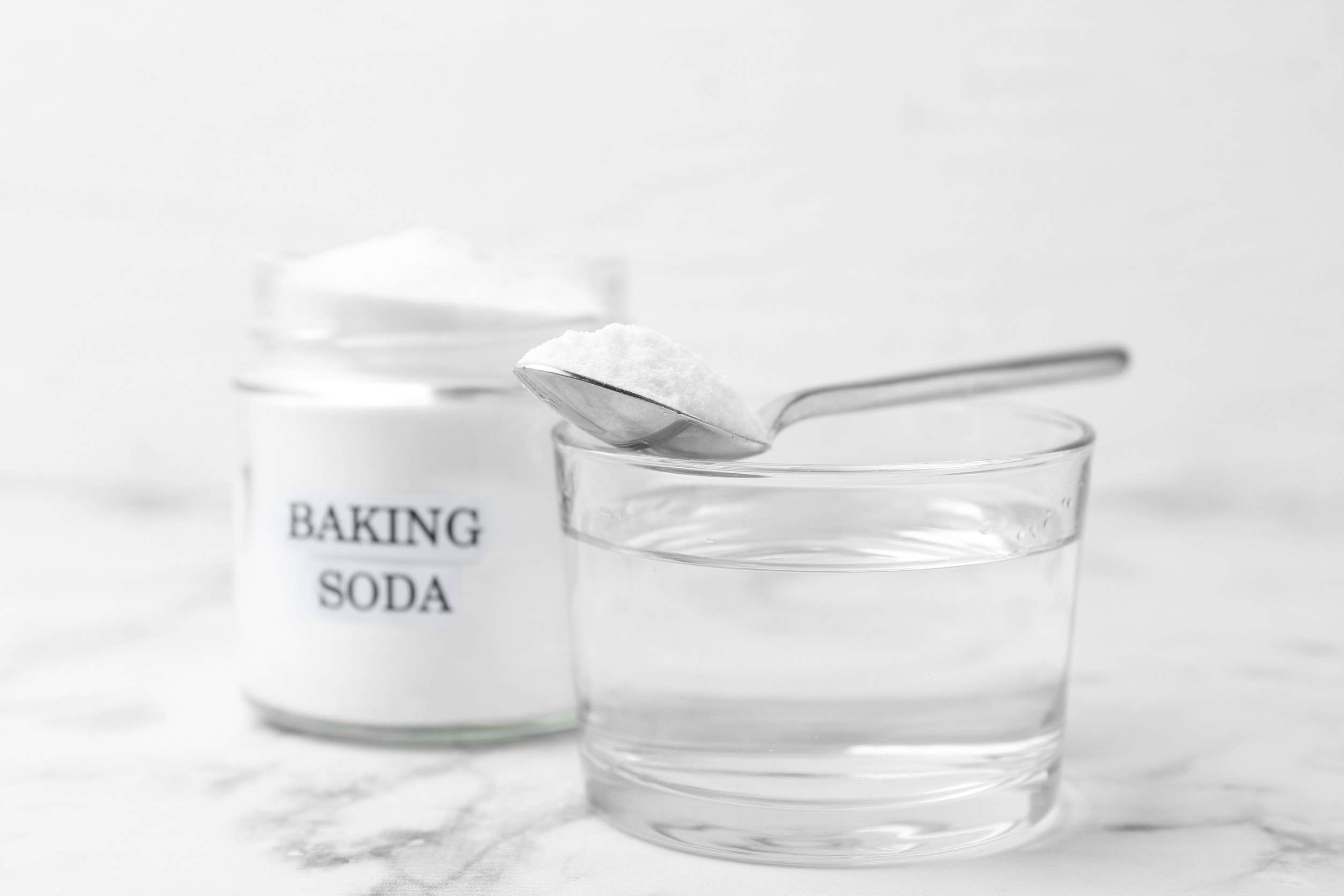
- Pour ½ cup of baking soda down the drain.
- Follow with ½ cup of white vinegar.
- Cover the drain with a plug or cloth to contain the fizz.
- Wait 15–30 minutes, then flush with hot water.
Why it works: The chemical reaction breaks down organic gunk and deodorizes.
Warning: This combo creates a mini volcano effect. Keep pets/kids away unless you want a kitchen science experiment!
3. Plunge It Out
Best for: Sinks, showers, and toilets.
What to do:
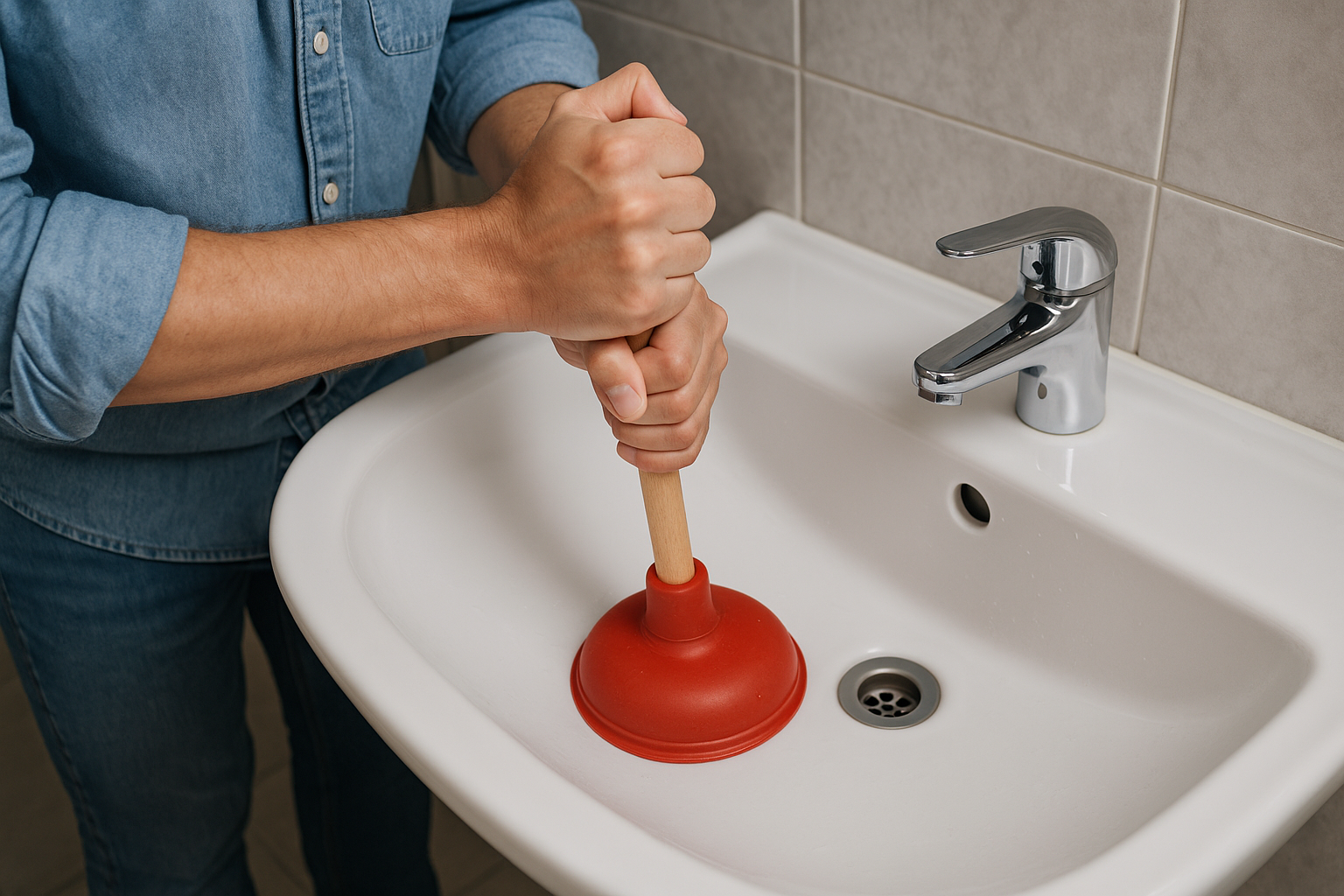
- For sinks/showers: Seal overflow holes with a wet rag. Fill the basin with enough water to cover the plunger cup. Pump vigorously for 20–30 seconds.
- For toilets: Use a flange plunger (the one with the funnel-shaped end). Create a tight seal and push straight down—no rocking!
Why it works: Pressure dislodges blockages.
Pro Tip: If plunging the kitchen sink, remove the filter/strainer first. And maybe don’t use the same plunger for toilets and sinks. (Just sayin’.)
4. The Trusty Drain Snake
Best for: Stubborn clogs deep in the pipes.
What to do:
- Insert a manual drain snake (a.k.a. auger) into the drain.
- Crank the handle to navigate the snake until you feel resistance.
- Twist and push to break up or retrieve the clog.
- Flush with hot water.
Why it works: It physically removes or breaks apart the blockage.
Bonus: Drain snakes are cheap and reusable. Way better than dumping chemicals monthly!
⚠️ Pro Tip:
If you’re dealing with a persistent or sewer line clog, it’s best to call a plumber. Improper use of an auger can damage pipes.

5. Chemical Drain Cleaners (Use Sparingly!)
Best for: Hail-Mary moments when nothing else works.
What to do:
- Follow the product’s instructions exactly.
- Never mix chemicals (e.g., don’t use bleach after vinegar!).
- Rinse thoroughly with water afterward.
Why it works: Harsh chemicals dissolve organic matter.
But wait! These cleaners can corrode pipes, harm septic systems, and burn your skin. Wear gloves and goggles, and avoid if you have old plumbing.
When to Call a Professional
Look, we’re all for DIY, but some clogged drains are the Hercules of blockages. Call a local plumber like Blue Moon Plumbing in Dallas, Fort Worth if:
- Water backs up in multiple drains (e.g., flushing the toilet floods the shower).
- You suspect a main sewer line clog (a.k.a. the nightmare scenario).
- DIY methods fail after 2–3 attempts.
- You’re dealing with recurring clogs (there might be a bigger issue).
Had enough of battling stubborn clogs? Visit our drain cleaning service page today!
Prevention: How to Avoid Future Clogs
An ounce of prevention is worth a pound of drain snakes. Here’s how to keep flows flowing:
- Use drain screens to catch hair, food, and debris.
- Never pour grease/oil down the sink. (Cool it, then trash it.)
- Flush drains weekly with hot water + a dash of dish soap.
- Teach kids what’s flushable (spoiler: only toilet paper and human waste).

Final Thoughts
A clogged drain is annoying, but it’s rarely a disaster if you act fast. Start with gentle methods (boiling water, baking soda), escalate to plunging or snaking, and save chemicals as a last resort. And hey—if all else fails, there’s no shame in calling a plumber. Your sanity is worth it!
Got a clog horror story or a genius DIY hack? Share it in the comments below! And if you’re staring down a drain that’s laughing at your efforts, reach out to Blue Moon Plumbing—we’re here to help.