We’ve all been there—standing over the kitchen sink, staring at leftover food scraps, and wondering, “Can I just toss this in the garbage disposal?” While these handy appliances feel like magic, they’re not invincible. To save you from midnight plumbing emergencies and costly repairs, here’s your go-to guide on what not to put in a garbage disposal (and why!).
How Garbage Disposals Work
Garbage disposals use spinning blades or impellers to break food waste into tiny particles, allowing them to pass through your plumbing system. However, they’re not designed to handle everything, especially items that are too hard, fibrous, starchy, or greasy. Many misconceptions exist about what they can and can’t process, leading to avoidable damage and clogs.
12 Things You Should Never Put in a Garbage Disposal
1. Grease, Oil, or Fat
- Why it’s bad: Liquid grease might seem harmless, but it solidifies like glue in your pipes, trapping other debris and creating stubborn clogs.
- What to do instead: Pour cooled grease into a jar and toss it in the trash.
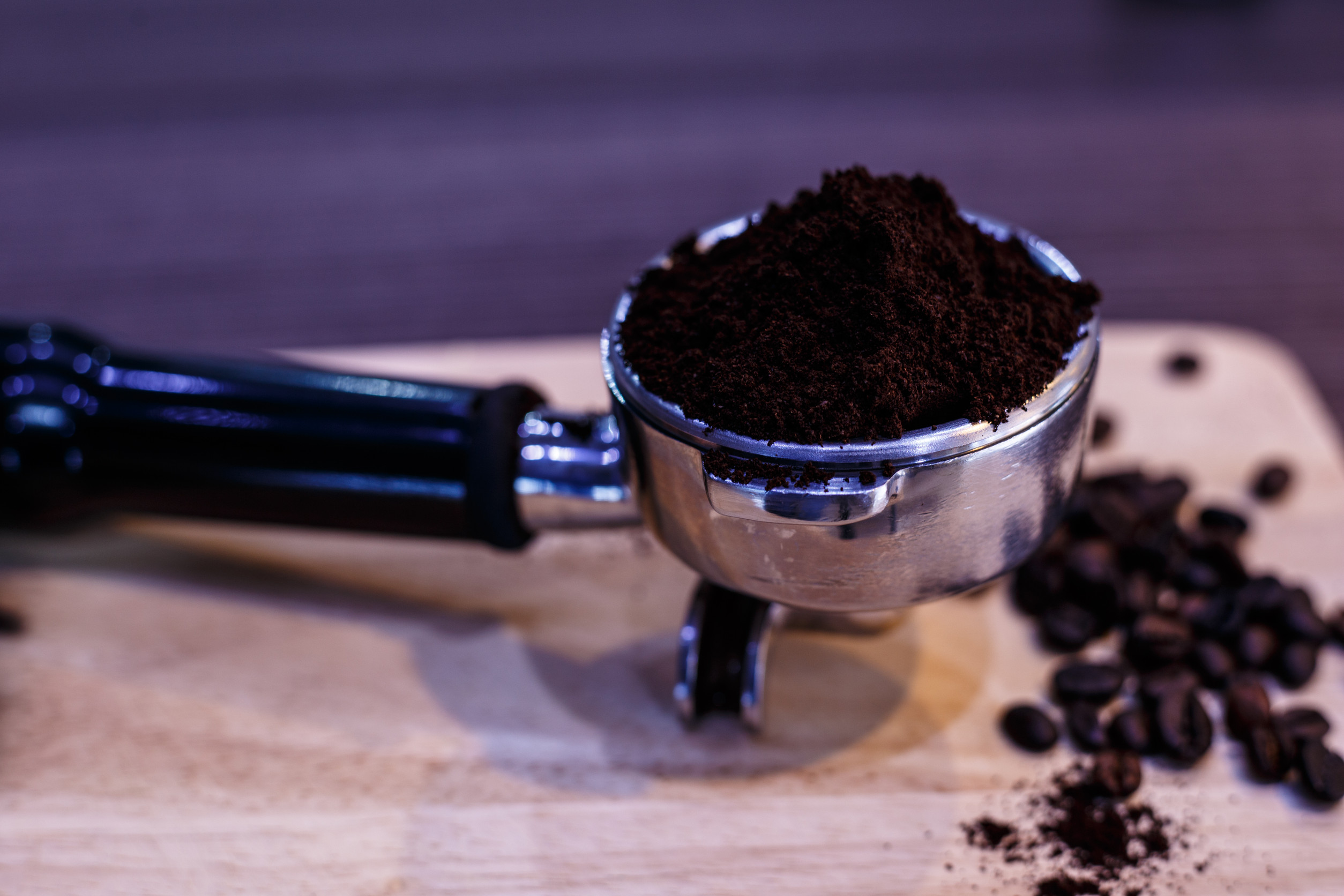
2. Coffee Grounds
- Why they’re bad: These tiny granules don’t break down—they clump together and settle in pipes, causing slow drains.
- Myth busted: No, they don’t “sharpen” disposal blades. Compost coffee grounds instead!
3. Eggshells
- Why they’re bad: Their gritty texture sticks to pipes, and the membrane can wrap around blades.
- Pro tip: Crushed eggshells belong in compost, not your sink.
4. Fibrous Veggies (Celery, Corn Husks)
- Why they’re bad: Stringy fibers tangle around blades like dental floss, jamming the motor.
- Save your disposal: Toss these in the green bin or trash.
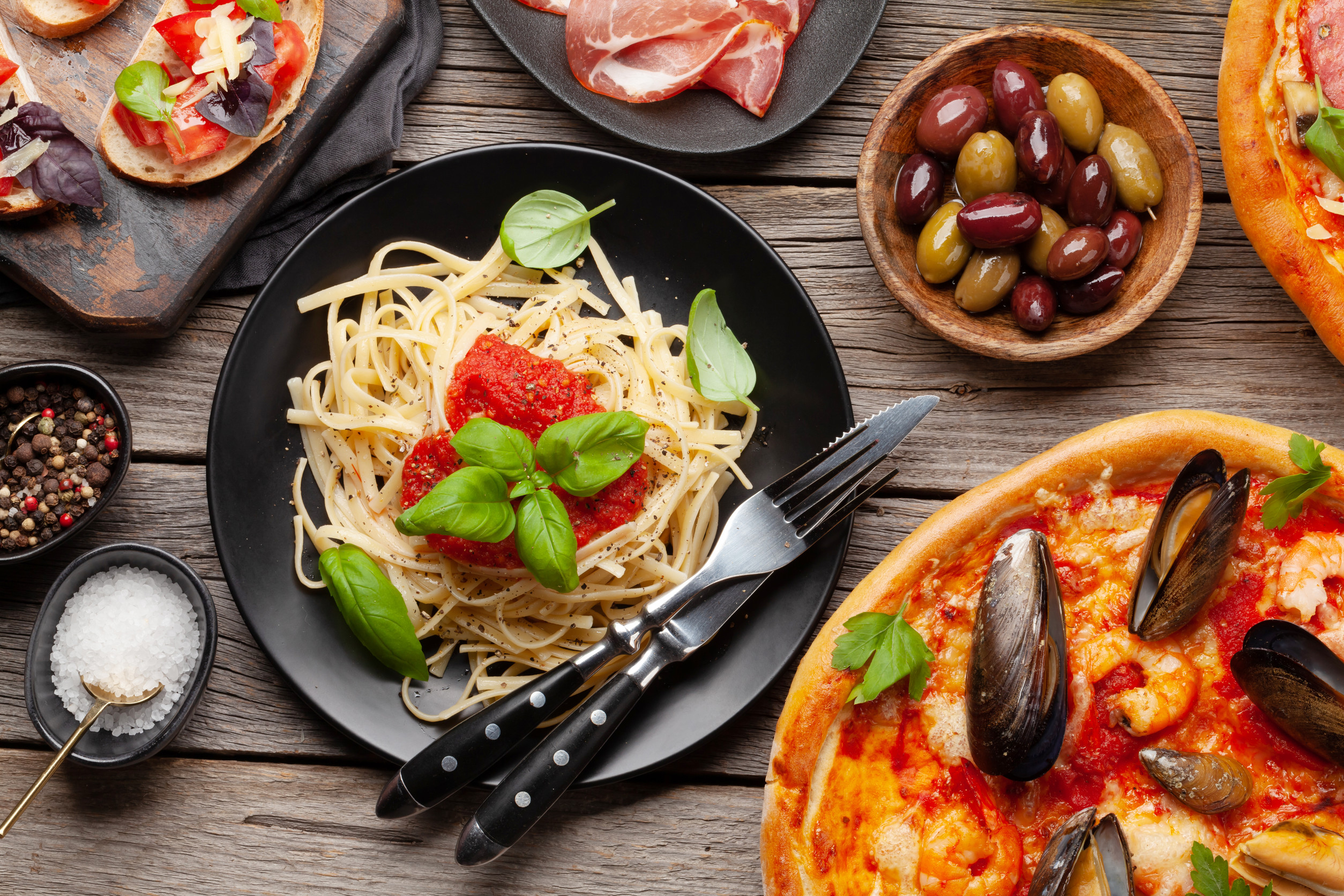
5. Pasta and Rice
- Why they’re bad: These expand in water, turning into a sticky paste that blocks pipes.
- Oops-proof fix: Scrape leftovers into the trash before rinsing dishes.
6. Potato Peels
- Why they’re bad: Starchy peels cling to pipes and blades, creating a sludge perfect for clogs.
- Better idea: Compost them or toss ’em!
7. Bones
- Why they’re bad: Chicken bones or steak scraps are too hard for blades to handle, leading to dull or broken parts.
- Keep it simple: Bones go in the trash—no exceptions.
8. Fruit Pits (Peaches, Avocados)
- Why they’re bad: These rock-hard nuggets can crack blades or lodge in pipes.
- Snack smarter: Save pits for composting or discard them.
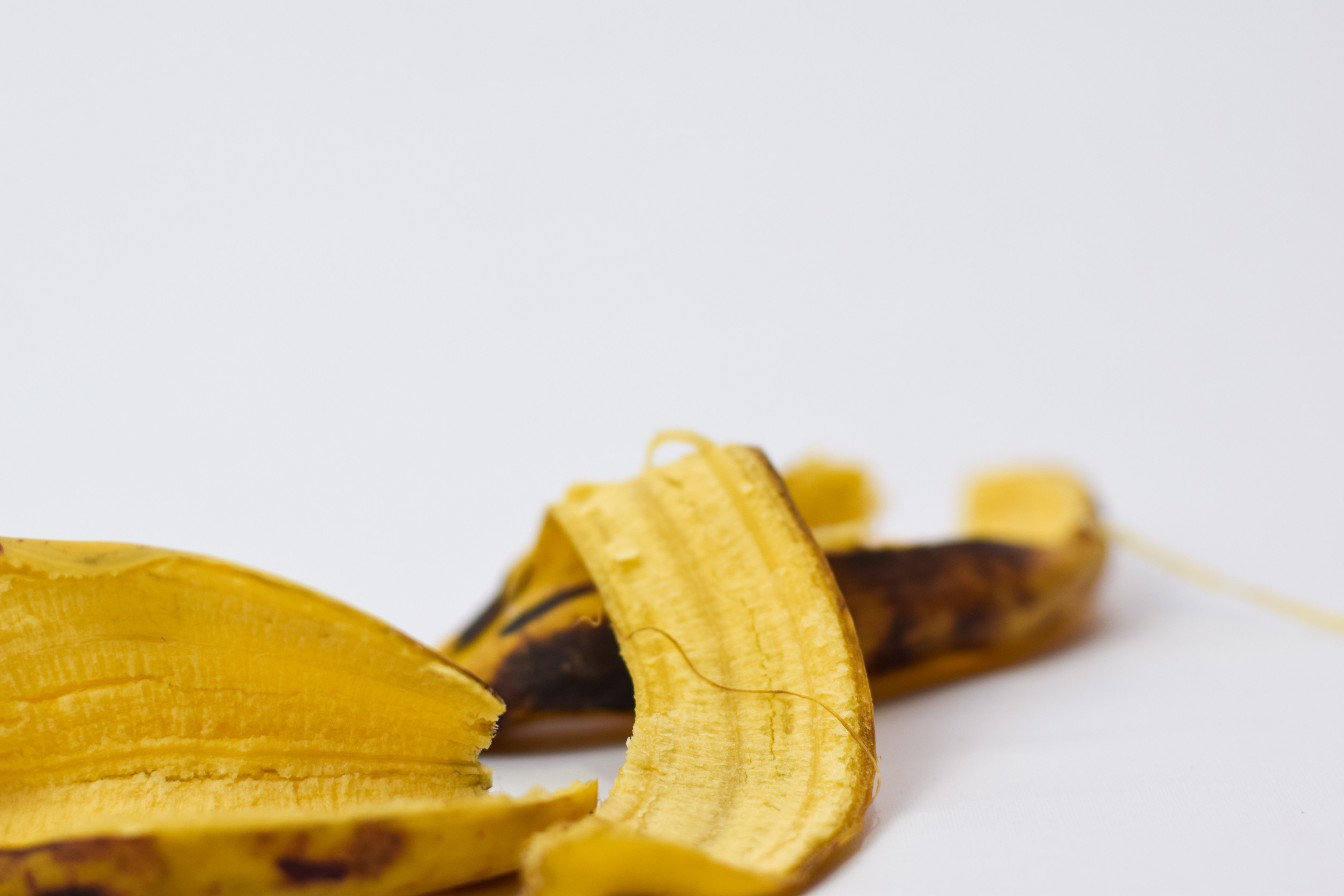
9. Banana Peels
- Why they’re bad: Their gummy texture gums up blades and sticks to pipe walls.
- Peel power: Trash them or add to compost.
10. Onion Skins
- Why they’re bad: Thin, papery layers slip past blades and form mesh-like clogs.
- Quick fix: Toss skins in the compost bin.
11. Non-Food Items (Utensils, Twist Ties)
- Why they’re bad: Metal or plastic can shatter blades or damage the motor.
- Facepalm moment: Keep the sink clear of “oops” objects!
12. Expandable Foods (Oatmeal, Bread)
- Why they’re bad: These swell with water, creating a doughy blockage in pipes.
- Avoid the blob: Scrape excess into the trash first.
What CAN Go in a Garbage Disposal?
While many items are off-limits, you can safely dispose of: ✅ Small, soft vegetable scraps (carrot peels, cucumber skins) ✅ Citrus peels (in moderation) for a fresh scent ✅ Small amounts of cooked meat scraps ✅ Ice cubes (great for cleaning blades!)
Signs Your Garbage Disposal Is Clogged or Broken
- Slow drainage
- Unpleasant odors
- Unusual grinding or rattling noises
- Frequent motor resets
Read one of our other articles, “Top 5 Common Plumbing Issues Dallas Homeowners Deal With.”
How to Fix a Jammed Garbage Disposal
- Turn off the power at the breaker.
- Use a hex key to manually turn the disposal’s blades.
- Remove visible debris with tongs (never your hands!).
- Run cold water and test the unit.
Dale (2024) most garbage disposals have a reset button that operates like a mini circuit breaker. If the disposal clogs, jams, or overheats, the button pops out. Pressing the reset button often makes the disposal work again.
If this doesn’t work, give us a call or go to our Plumbing Service page for details.
DIY Garbage Disposal Cleaning
- Baking soda + vinegar flush: Freshens and breaks down residue.
- Ice cubes + salt: Helps clean the blades.
- Use a disposal brush: Scrub the splash guard and interior.
Garbage Disposal Myths – Busted!
🚫 Myth: Lemon peels clean your disposal. ✅ Truth: They freshen it but don’t remove grease buildup.
🚫 Myth: Hot water helps break down grease. ✅ Truth: It liquefies grease temporarily, but as it cools, it hardens in pipes.
🚫 Myth: Garbage disposals are just mini-trash compactors. ✅ Truth: They’re meant for small food particles, not everything!
Environmental Impact
Improper disposal habits contribute to plumbing issues and strain wastewater treatment plants. Composting organic waste instead of relying on your garbage disposal reduces landfill waste and helps the environment.
Final Thought: Treat Your Garbage Disposal Like a Tool, Not a Trash Can
Your garbage disposal is a kitchen workhorse, but even the toughest appliances have limits. A little care goes a long way: stick to disposal-safe scraps, compost the rest, and always run cold water to keep things flowing.
Share this guide to help others avoid plumbing pitfalls, and here’s to a smoothly running sink and a stress-free kitchen! By avoiding these 12 troublemakers, you’ll prevent clogs, protect your blades, and keep your kitchen running smoothly. Share this guide with fellow home chefs, and let’s keep those pipes clear!
🚰 When in doubt, throw it out! 🗑️
References:
Dale, T. (2024, October 9). How to use a garbage disposal reset button. The Spruce. https://www.thespruce.com/how-to-reset-a-garbage-disposal-5223533