
When North Texas temperatures dip unexpectedly, many homeowners face a common question: Will frozen pipes unfreeze on their own? The short answer is sometimes, but relying on warm weather or hope is risky. In North Texas, where freezes can be sudden and severe, frozen pipes can crack and burst—leading to costly repairs and water damage.
This guide explains what happens when pipes freeze, when they may thaw naturally, how to safely handle frozen pipes, and when it’s time to call a professional plumber.
What Happens When Pipes Freeze?
Water expands as it freezes—by up to 9%. That expansion puts pressure on the pipe, which can crack or burst even before the ice fully forms. In North Texas, where many homes are built on slab foundations and pipes run through uninsulated exterior walls, the risk is especially high.
A pipe can burst:
-
while freezing
-
after freezing
-
when thawing
That’s why frozen pipes should be treated as a serious risk.
Will Frozen Pipes Unfreeze on Their Own?
Sometimes, but not always.
Pipes may thaw naturally when:
-
temperatures rise above freezing
-
sunlight warms the home exterior
-
interior heating reaches the pipe location
However, waiting for a natural thaw is risky, especially in North Texas where temperatures can fluctuate quickly. Pipes can crack without warning, and the thaw can cause a sudden rush of water that reveals leaks.
When Pipes Will Likely Unfreeze Naturally
| Condition | Will It Unfreeze on Its Own? | Notes (North Texas Context) |
|---|---|---|
| Mild freeze (temps just below 32°F) | Possibly | Most common in DFW; still risky |
| Short freeze (a few hours) | Sometimes | More likely in sheltered or insulated homes |
| Long freeze (overnight or longer) | Unlikely | Texas homes are often not built for long freezes |
| Very low temps (below 20°F) | Unlikely | Higher risk of burst pipes |
| Pipes in exterior walls or slab homes | Unlikely | Less insulation and more exposure |
How to Tell if a Pipe Is Frozen
Common signs include:
-
No water coming from faucets
-
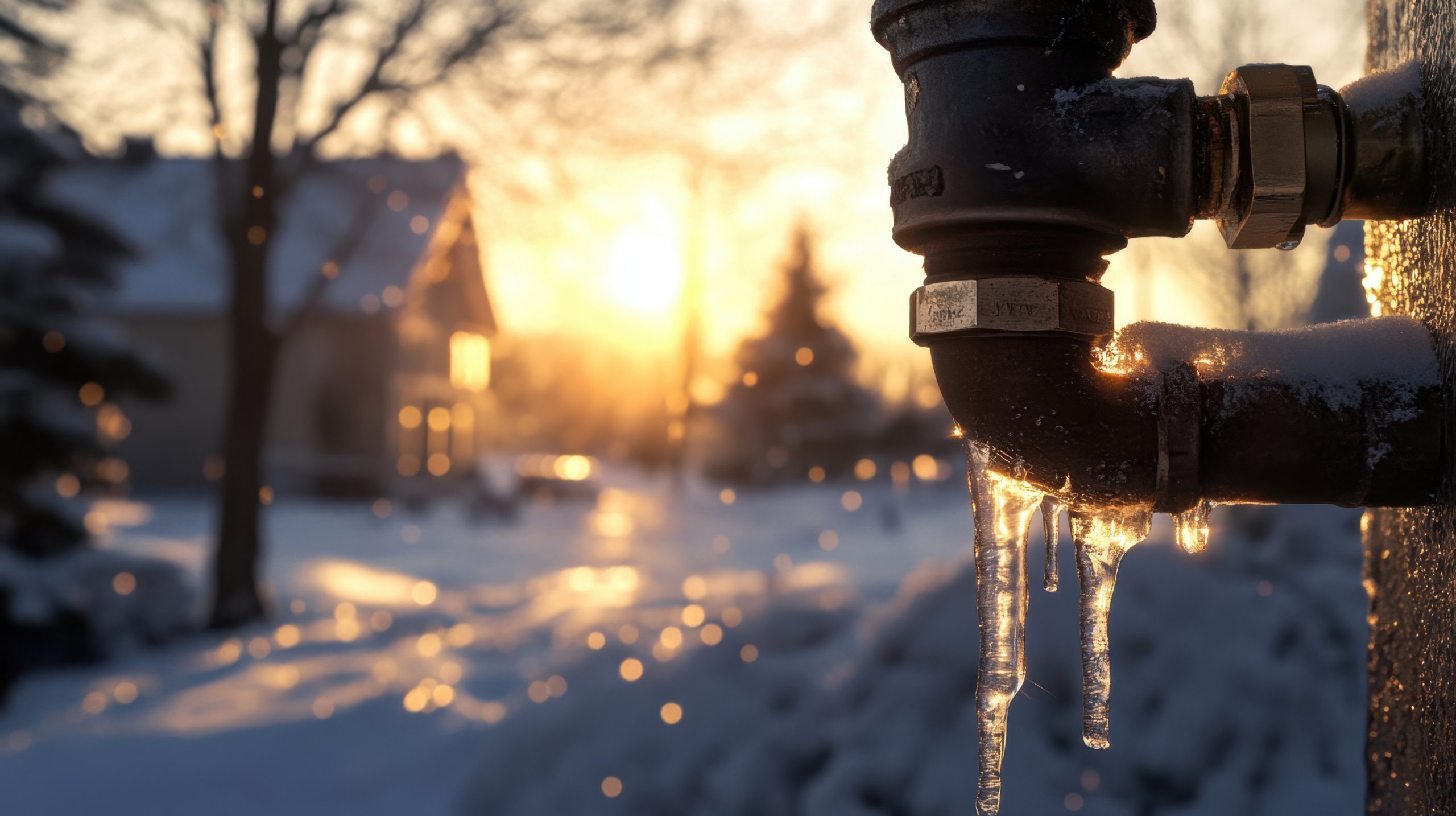
Frost on exposed pipes
-
Strange odors from drains
-
Water backing up in the system
-
Bulging or crack-like spots on pipes
If you notice any of these signs, act quickly.
What to Do If Your Pipes Are Frozen
1. Shut off the water
Turn off the main water valve to prevent flooding if the pipe bursts.
2. Open faucets
Open the faucet connected to the frozen pipe to reduce pressure and allow water to flow once thawed.
3. Warm the pipe
Use safe methods such as:
-
warm towels
-
hair dryers
Avoid using open flames or high-heat devices.
4. Call a plumber if needed
If the pipe won’t thaw or you see signs of damage, call a professional.
When to Call a Professional in North Texas
Even if pipes thaw, damage may already exist. Call a plumber if:
-
you see water stains or mold
-
the pipe is hard to access
-
it won’t thaw after 30–60 minutes
-
you smell gas or notice a sudden drop in water pressure
Can Frozen Pipes Burst After Thawing?
Yes. Pipes can burst during thawing because ice can create a blockage. As the ice melts, pressure increases and can rupture the pipe at its weakest point. Read one of our other articles that explains tips for preventing frozen pipes.
Prevention Is the Best Strategy in North Texas
Instead of waiting for pipes to thaw naturally, the best strategy is to prevent freezing:
-
Insulate exposed pipes, especially in attics and crawl spaces
-
Keep cabinet doors open under sinks during freezes
-
Allow faucets to drip during extreme cold
-
Maintain consistent indoor temperatures
-
Winterize outdoor faucets and irrigation systems
North Texas freezes are often brief but intense—so prevention is critical.
If you suspect a frozen pipe or need help preventing freeze damage, don’t wait until it becomes an emergency. Contact Blue Moon Plumbing in Garland, TX for fast, reliable service and professional freeze protection solutions across the Dallas–Fort Worth area.
FAQ: Frozen Pipes (North Texas)
Will a frozen pipe unfreeze on its own in Texas?
Sometimes, but it’s risky. Texas freezes can be sudden and severe, so frozen pipes often crack or burst before they thaw naturally.
How long does it take for a frozen pipe to thaw?
It depends on temperature, insulation, and pipe location. Some thaw in a few hours, but others can take longer—especially if the pipe is in an exterior wall or crawl space.
What should I do if I suspect a frozen pipe?
Turn off the main water valve, open faucets, and safely warm the pipe. If it doesn’t thaw quickly or you see damage, call a plumber.
Can frozen pipes burst even after they thaw?
Yes. Thawing can reveal cracks or weak spots, and pressure changes during thawing can cause a burst.
Do I need to call a plumber if my pipes thaw?
It’s recommended if you suspect damage or if you can’t safely thaw the pipe yourself. Early professional inspection can prevent future leaks.