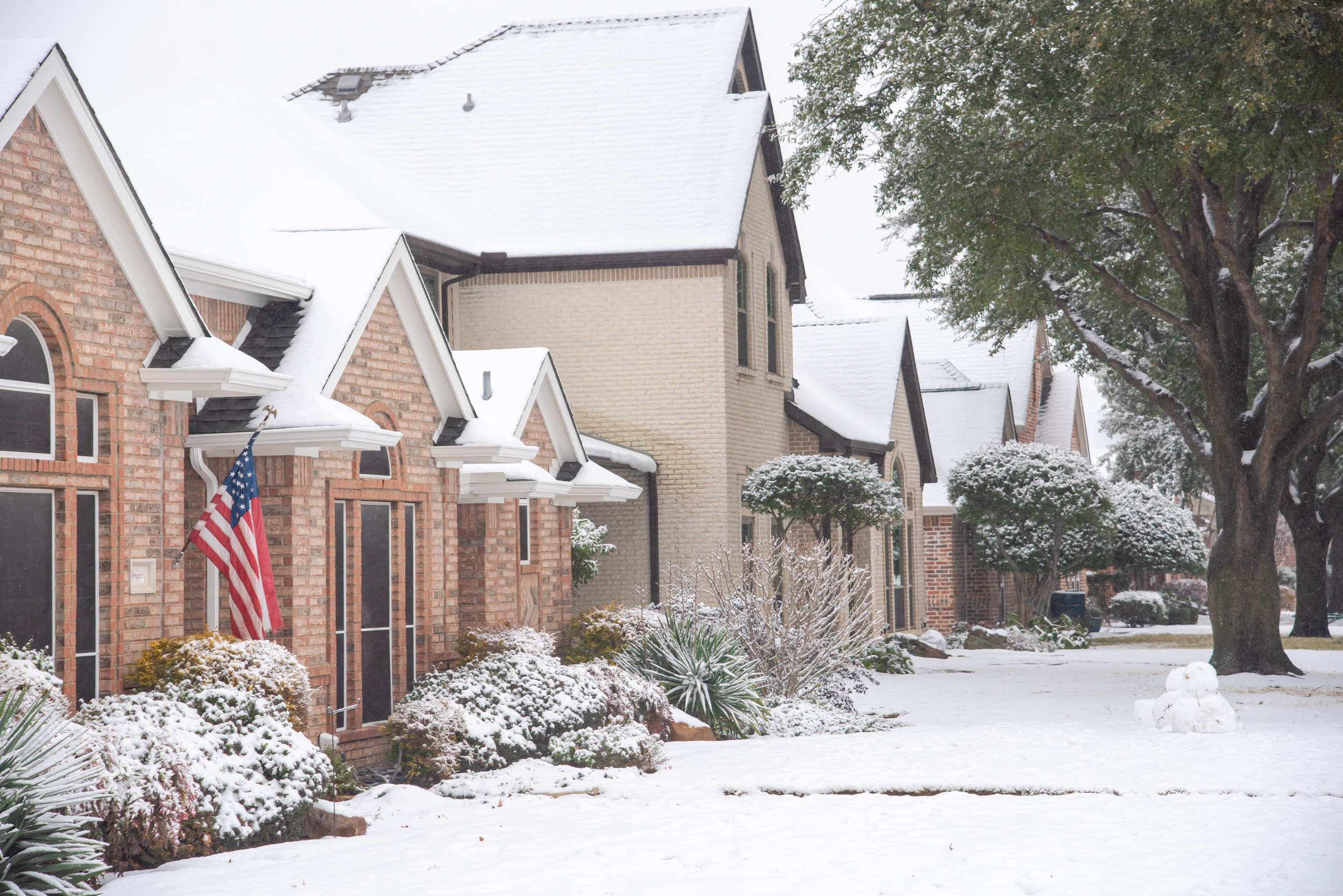
Winter in Dallas is not as brutal as up north, but when those rare freezing temperatures hit, they wreak havoc on your plumbing. Unlike homes in colder climates, many houses in North Texas aren’t built with extreme cold in mind, making frozen pipes a real concern. Preventing frozen pipes takes knowledge and effort, but it is worth the work.
When water inside your pipes freezes, it expands, putting pressure on the pipe walls. If the pressure gets too high, the pipes burst, leading to costly repairs and water damage. The good news? A little preparation goes a long way! Learn how to keep your plumbing in top shape this winter.
1. Insulate Exposed Pipes
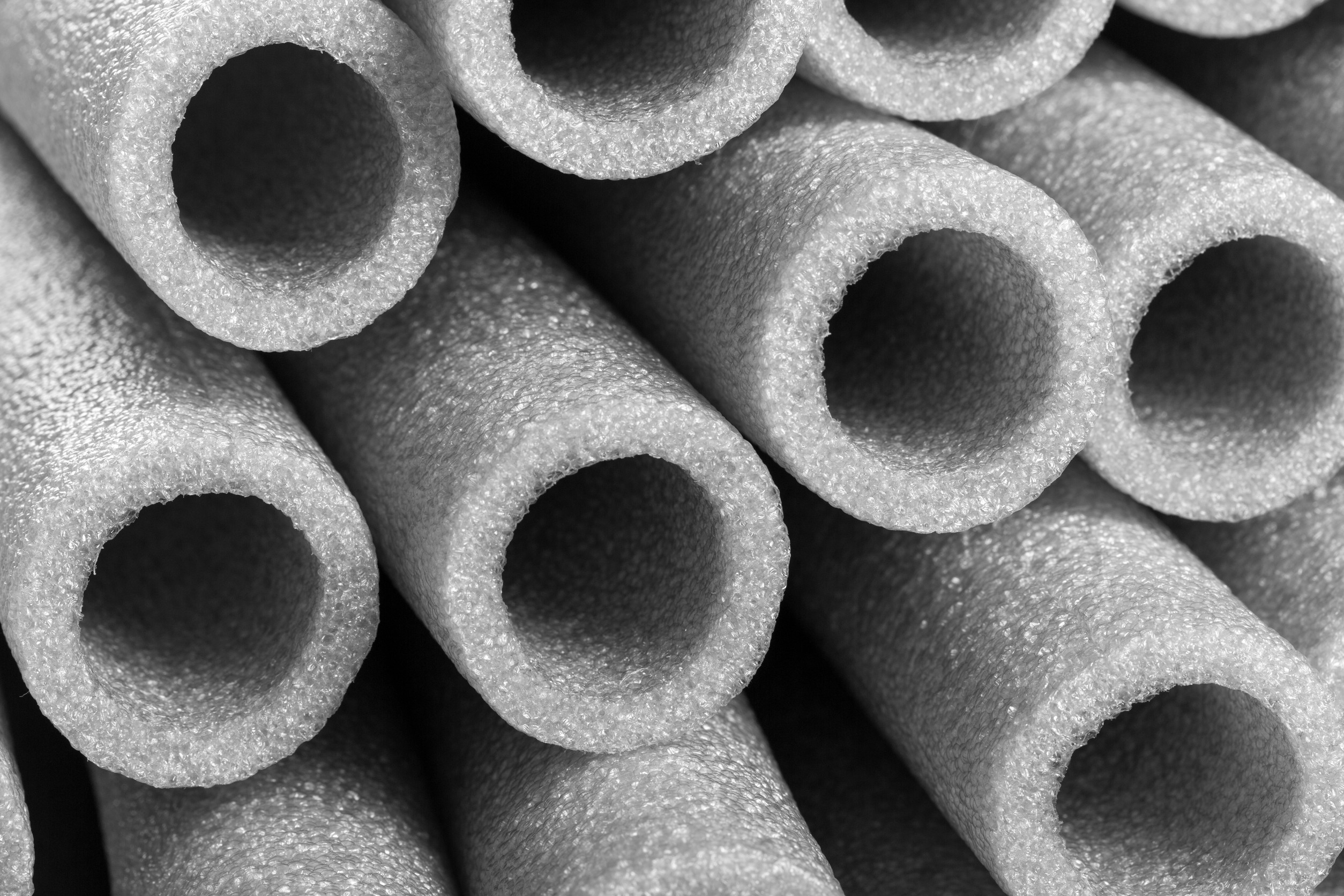
One of the best ways to prevent frozen pipes is to insulate them properly. Focus on pipes in unheated areas such as attics, garages, basements, and crawl spaces.
- Use foam pipe insulation or heat tape for added protection.
- Pay special attention to outdoor spigots and exposed pipes along exterior walls.
- If you’re unsure about which pipes need insulation, a plumber can help you identify the most vulnerable areas.
Home Depot (2024) Insulate pipes located in the attic and crawl space using pipe insulation, even if the climate where you live does not often have hard freeze conditions. You can also wrap pipes in heat tape or heat cables with a thermostat control.
2. Let Faucets Drip
A slow, steady drip from your faucets can help prevent freezing by keeping water moving through the pipes.
- Let both hot and cold water drip slightly from faucets, especially those along exterior walls.
- This is especially important on extremely cold nights when temperatures drop below freezing.
3. Keep Cabinet Doors Open
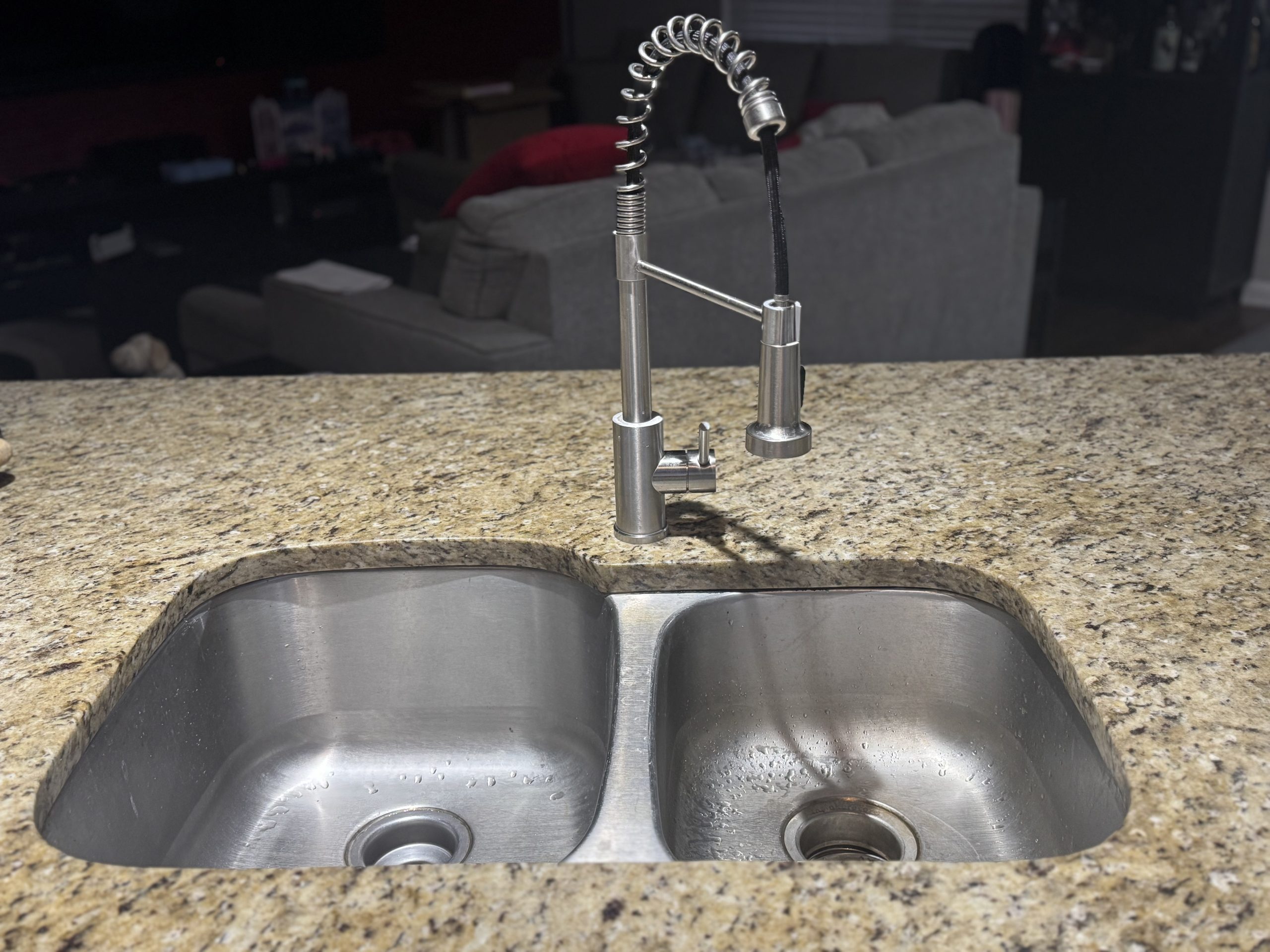
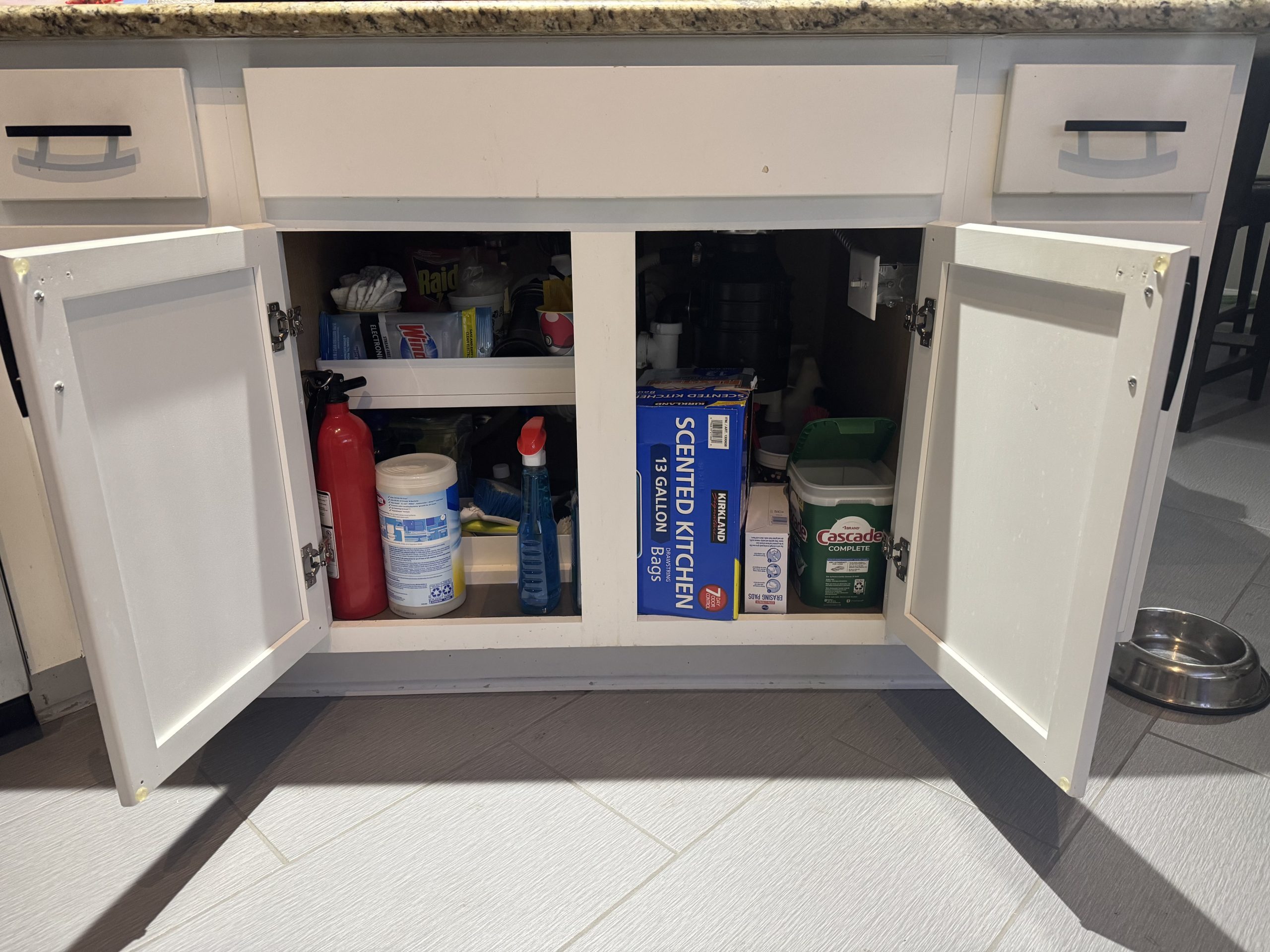
Pipes under sinks, especially those along exterior walls, can freeze quickly. To help warm air circulate around them:
- Open the cabinet doors under your kitchen and bathroom sinks.
- If you have pets or small children, move cleaning supplies and chemicals out of reach first.
4. Maintain Indoor Temperatures
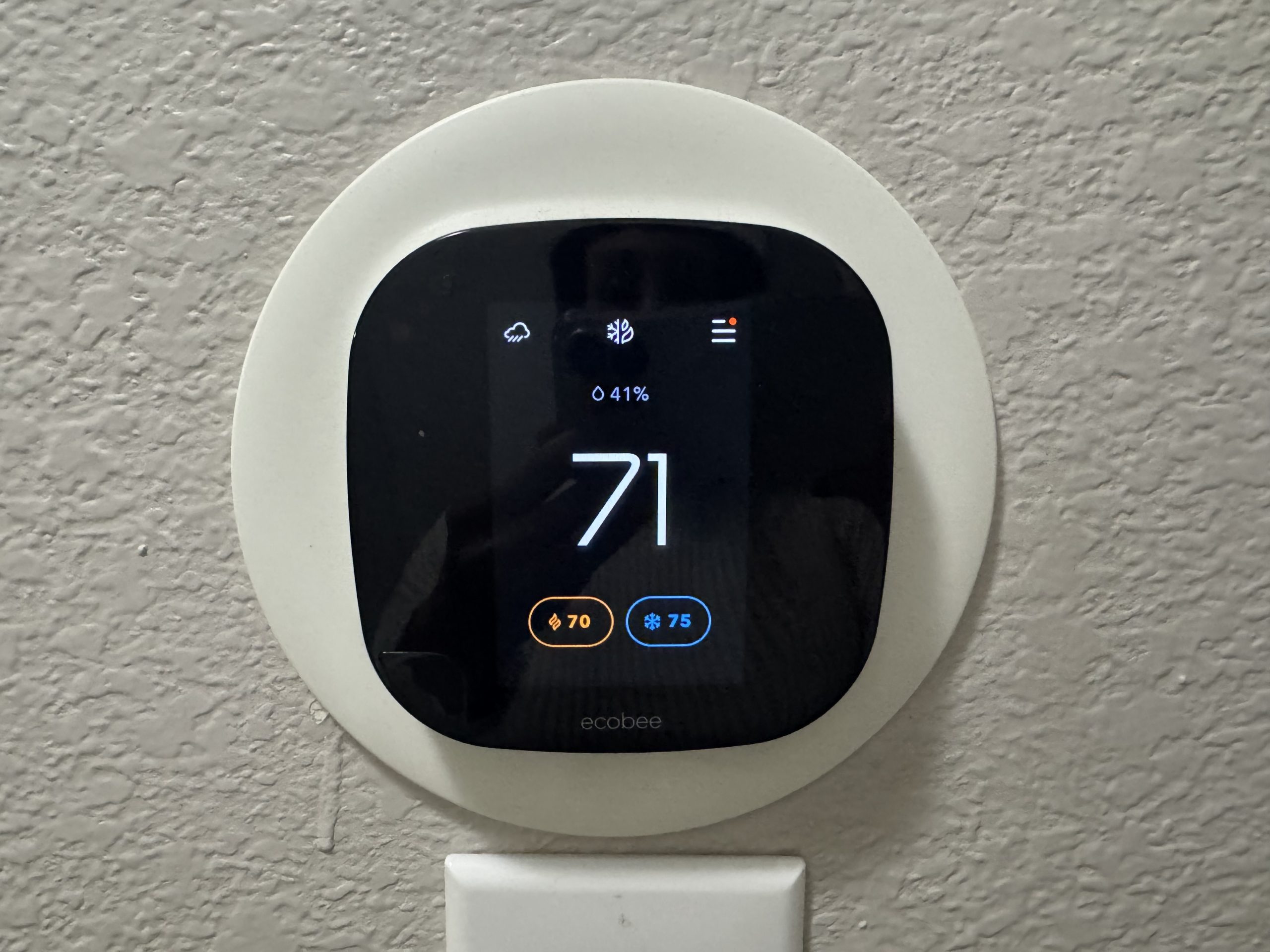
Keeping a consistent temperature inside your home can make a big difference.
- Set your thermostat to at least 55°F, even if you’re leaving town.
- Avoid drastic temperature drops at night—keeping it slightly warmer can help protect your pipes.
5. Disconnect and Drain Outdoor Hoses
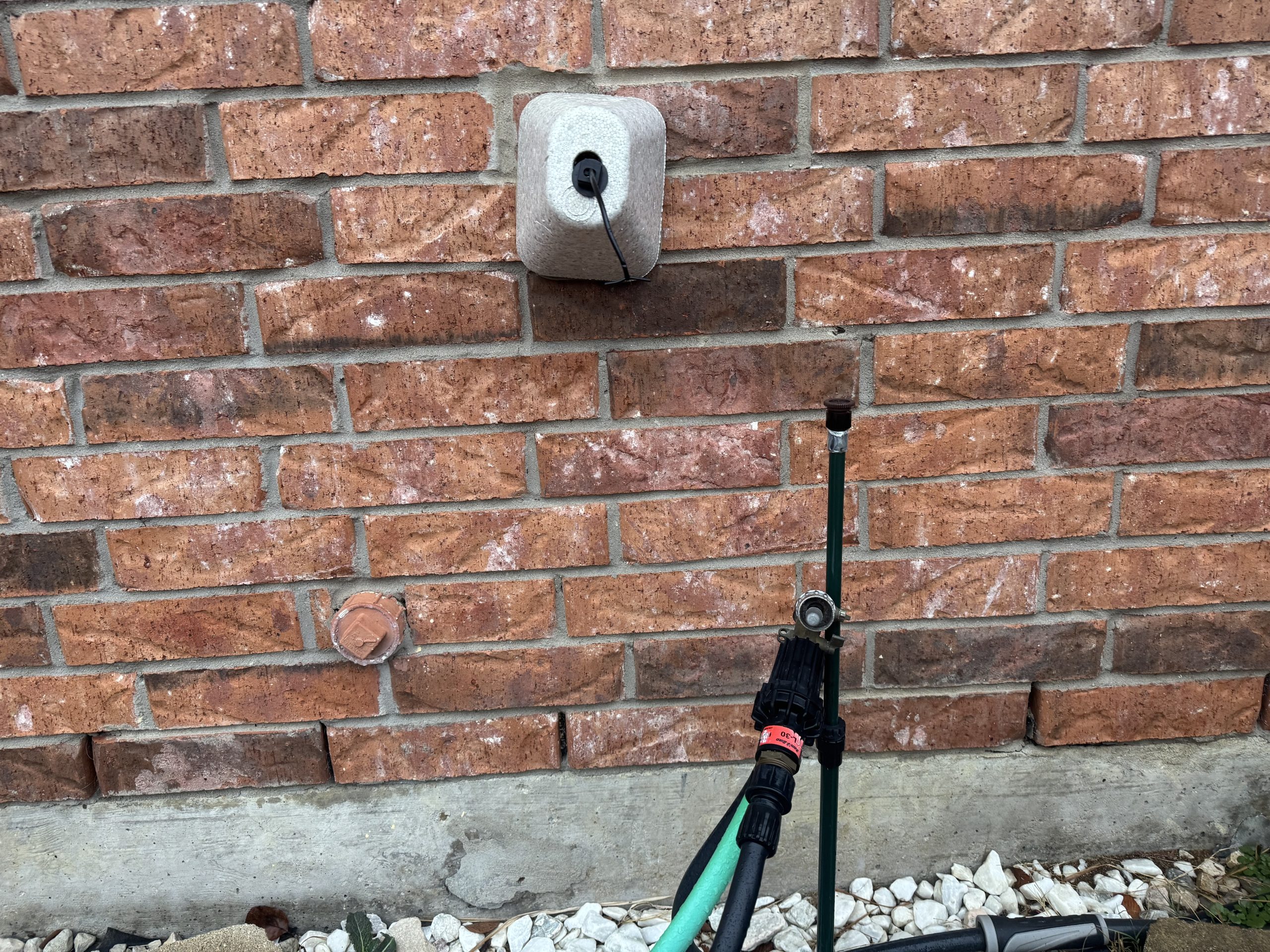
Leaving garden hoses attached during a freeze can cause ice to back up into your pipes.
- Disconnect and store hoses before the first freeze.
- Shut off outdoor water supply lines if possible and drain any remaining water.
- Consider installing frost-proof hose bibs for extra protection.
6. Seal Drafts and Cracks
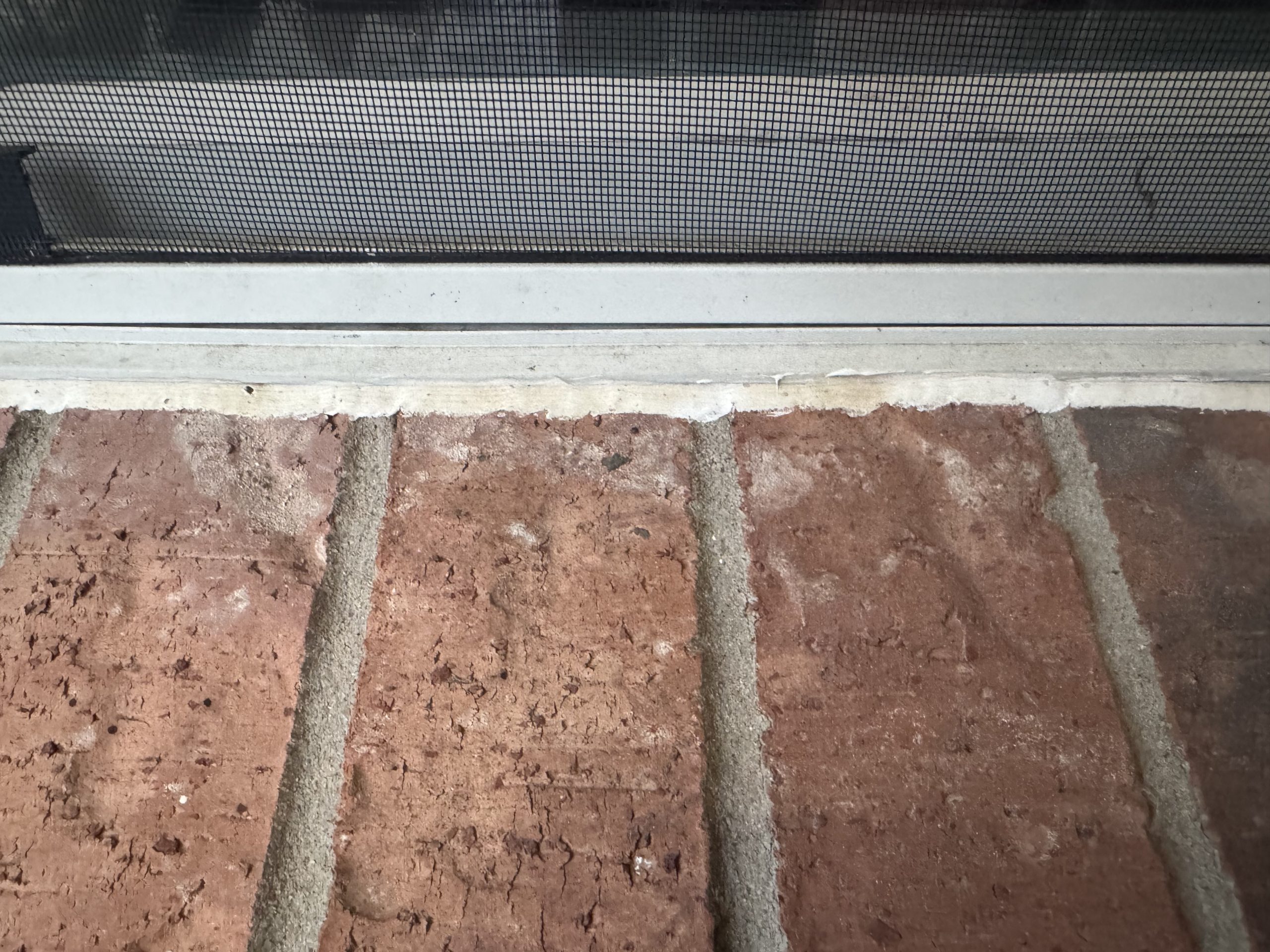
Cold air can seep into your home through gaps and cracks, increasing the risk of frozen pipes.
- Check around windows, doors, and exterior walls for drafts.
- Use caulk or weather stripping to seal any openings.
7. Know Where Your Shutoff Valve Is
In case of a burst pipe, acting quickly can minimize damage.
- Locate your home’s main water shutoff valve before winter hits. Research how to turn off the water valve.
- Make sure everyone in the household knows how to turn it off in an emergency.
8. Consider a Smart Thermostat or Freeze Alarm
Technology can add an extra layer of protection.
- Smart thermostats allow you to monitor and adjust your home’s temperature remotely.
- Freeze alarms can alert you if indoor temperatures drop to dangerous levels.
Final Thoughts
While Dallas doesn’t face harsh winters often, it only takes one freeze to cause major plumbing problems. Taking these preventative steps will save you from the headache and expense of burst pipes. If you need professional help winterizing your plumbing or dealing with a freeze-related issue, Blue Moon Plumbing is here for you. Stay warm and keep those pipes protected this winter!
References:
Home Depot. (2024, October 16). How to prevent pipes from freezing. Home Depot. https://www.homedepot.com/c/ah/how-to-prevent-pipes-from-freezing/9ba683603be9fa5395fab905760afb9