Quick Answer
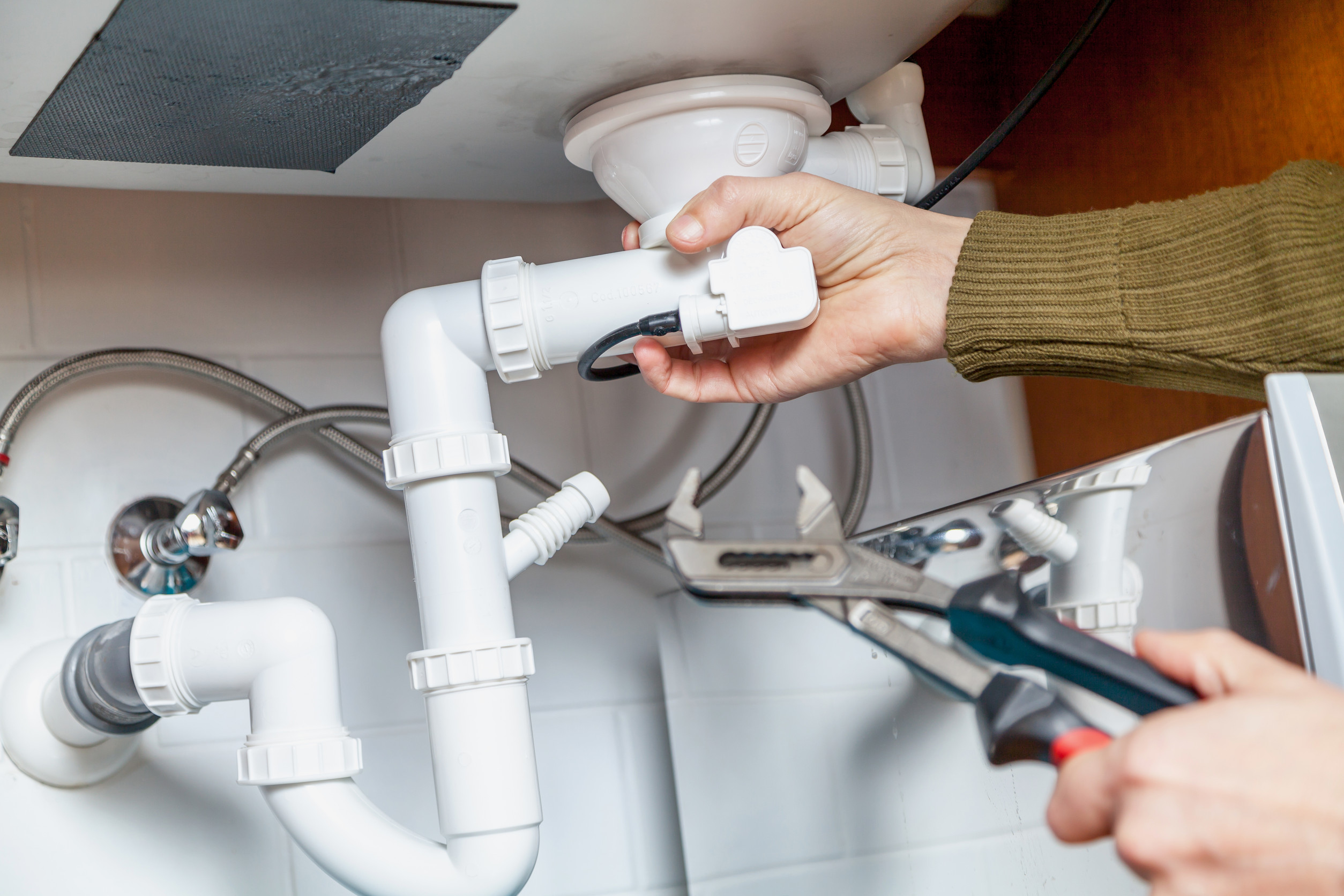
A P-trap is the curved pipe under your sink that holds a small amount of water to block sewer gases from entering your home while still allowing wastewater to drain.
What Does a P-Trap Do?
The P-trap plays a critical role in your plumbing system:
- Blocks sewer odors by creating a water seal
- Prevents harmful gases from entering your home
- Catches debris (like hair or small objects)
- Allows smooth drainage of wastewater
Without a functioning P-trap, your home could smell like sewage—and worse, be exposed to unsafe gases.
The P-trap plays a critical role in your plumbing system by holding a small amount of water that creates a seal, preventing sewer odors and harmful gases from entering your home. At the same time, it helps catch debris such as hair or small objects before they travel deeper into your pipes, reducing the risk of clogs. Despite this, it still allows wastewater to flow smoothly through your plumbing system. Without a properly functioning P-trap, your home could not only develop unpleasant sewage smells but also be exposed to potentially unsafe gases.
How a P-Trap Works
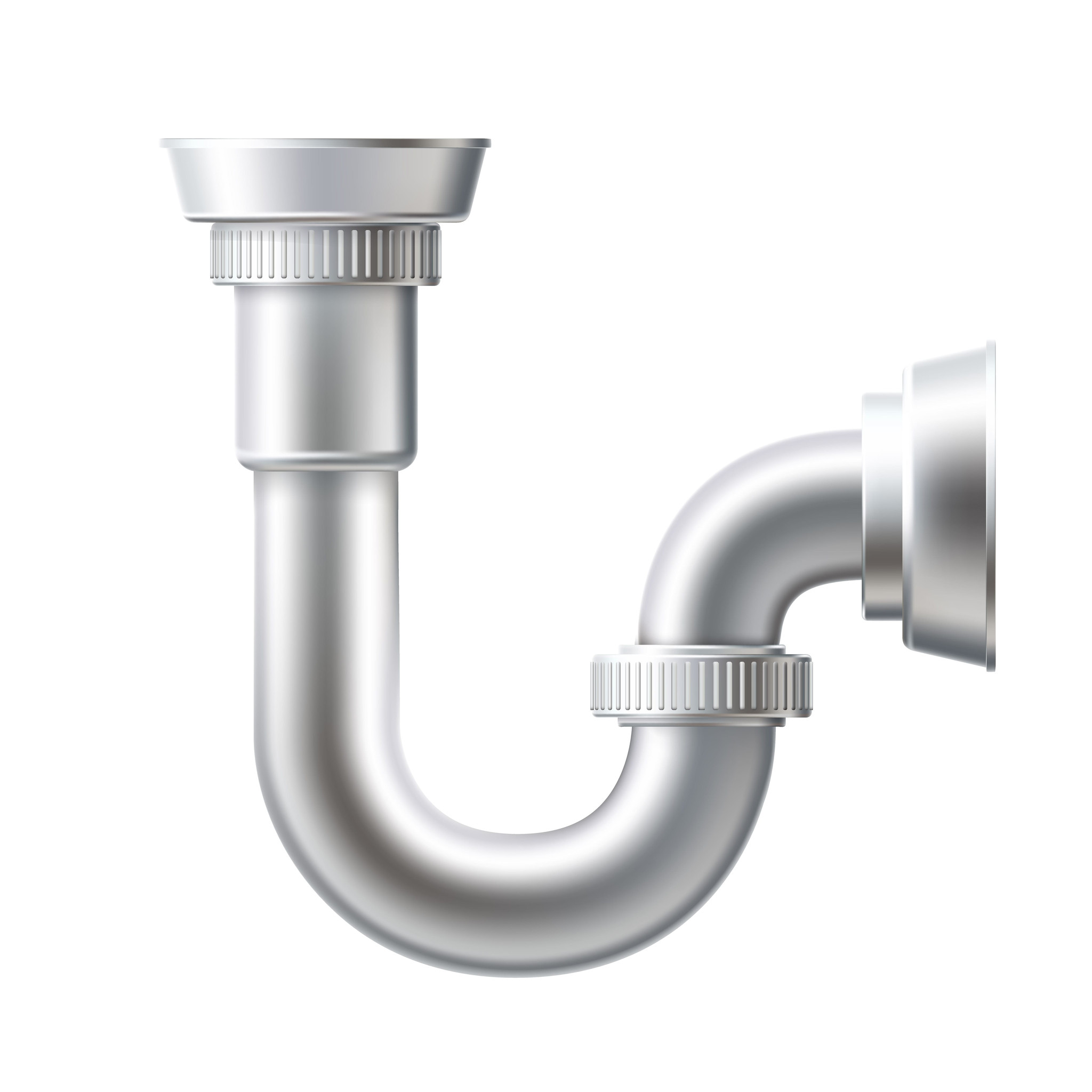
The curved “U” shape of the pipe traps water after each use.
- Water flows down the drain
- Some water stays in the curve
- That water acts as a seal against sewer gases
- New water pushes old water through the system
This simple design is required by plumbing codes in homes across the U.S. Read the history and basic information from Wikipedia about the p-trap plumbing pipe.
P-Trap at a Glance
| Feature | Purpose | Why It Matters |
|---|---|---|
| Curved Shape | Holds water | Blocks sewer gases |
| Water Seal | Prevents odors | Keeps indoor air safe |
| Debris Catching | Traps small items | Prevents clogs deeper in pipes |
| Easy Access | Removable section | Simplifies cleaning |
Where Are P-Traps Located?
You’ll find P-traps in most household plumbing fixtures:
- Bathroom sinks
- Kitchen sinks
- Showers and bathtubs
- Laundry drains
If a fixture has a drain, it should have a P-trap. Read about an easy-to-clean, hard-to-clog drain catcher for bathroom sinks.
Common P-Trap Problems
1. 🦠 Bad Smells
- Cause: Dry or empty P-trap
- Fix: Run water to refill the trap
2. 🚿 Slow Drains
- Cause: Buildup of debris
- Fix: Clean out the trap
3. 💧 Leaks
- Cause: Loose fittings or worn seals
- Fix: Tighten or replace parts
4. 🧱 Clogs
- Cause: Grease, hair, or food buildup
- Fix: Remove and clean the trap
Is your drain clogged? Here’s what to do.
When Should You Call a Plumber?
While minor clogs can sometimes be handled at home, call a professional if:
- You have repeated clogs
- There’s a persistent sewage smell
- You notice leaks under the sink
- The issue keeps coming back after cleaning
These can signal deeper plumbing issues beyond the P-trap.
Pro Tips for Homeowners
- Avoid pouring grease down the drain
- Use drain strainers to catch debris
- Run water in unused sinks to prevent dry traps
- Schedule regular plumbing inspections
FAQs (Answer Engine Optimized)
What is the purpose of a P-trap?
To prevent sewer gases from entering your home while allowing wastewater to drain.
Can a house function without a P-trap?
No—P-traps are required for safety and sanitation.
Why does my sink smell bad?
Your P-trap may be dry, clogged, or leaking.
Final Thoughts
A P-trap may be small, but it plays a big role in keeping your home safe, clean, and odor-free. Understanding how it works can help you spot problems early and avoid bigger plumbing issues down the line.
Need Help with a P-Trap or Drain Issue?
Don’t let a small plumbing problem turn into a bigger mess. The experts at Blue Moon Plumbing can quickly diagnose and fix P-trap issues, clogs, leaks, and more.
Contact Blue Moon Plumbing today for fast, reliable plumbing services and keep your home running smoothly!