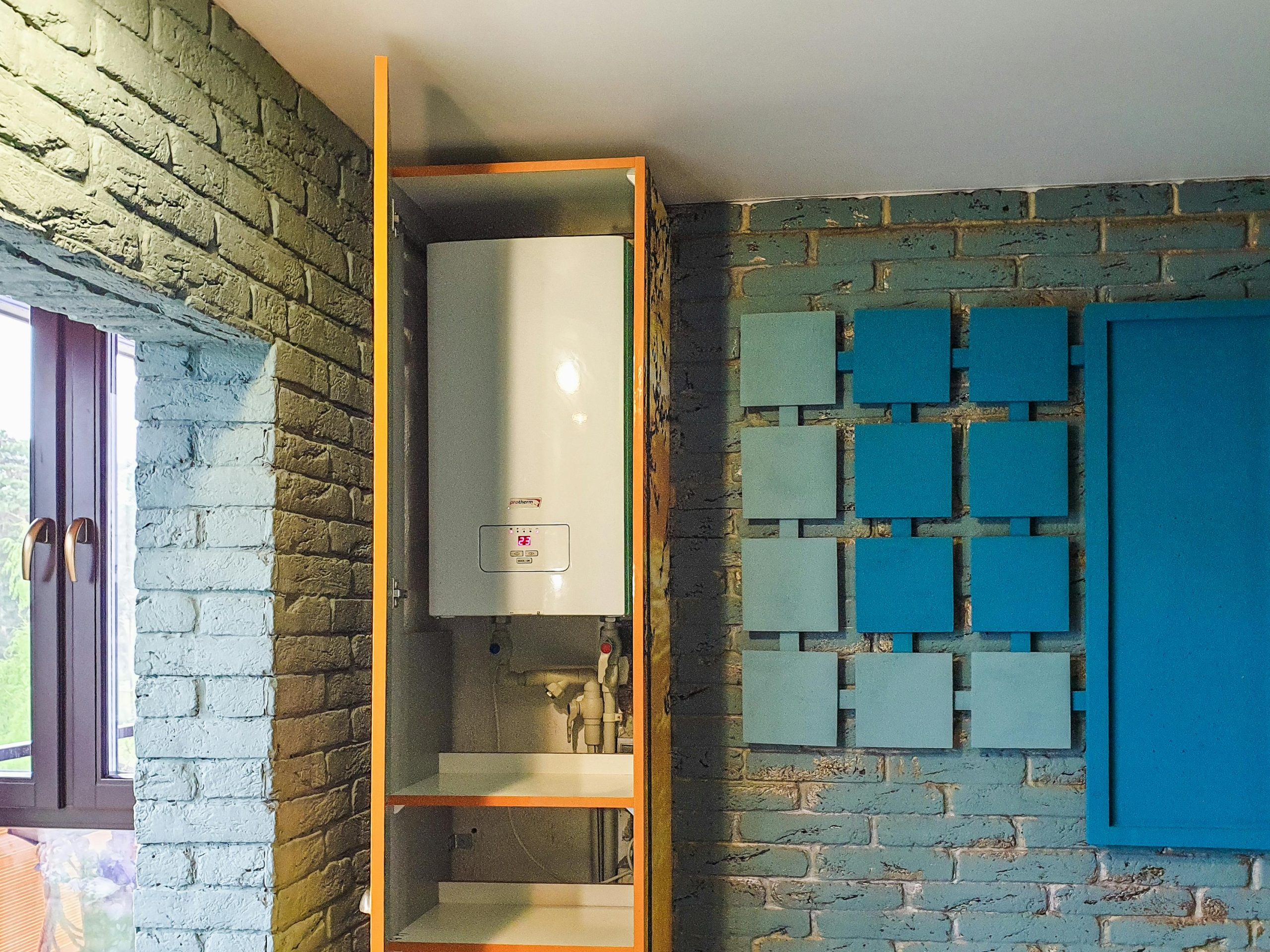
Your water heater works hard to provide hot showers, clean dishes, and laundry—but over time, sediment buildup can reduce its efficiency, damage the tank, and even lead to costly repairs. A water heater flush (or “drain and flush”) is a critical maintenance task that clears out this sediment, helping your unit last longer and perform better.
In this guide, we’ll cover:
✔ What a water heater flush is (and how it works).
✔ Signs your water heater needs flushing (before it’s too late!).
✔ Step-by-step instructions for DIY flushing.
✔ When to call a professional plumber (and why it’s worth it).
Why Flush Your Water Heater?
Over time, minerals like calcium and magnesium settle at the bottom of your tank, forming a layer of sediment. This buildup can:
🔹 Reduce heating efficiency (higher energy bills!).
🔹 Cause loud banging/popping noises (sediment overheating).
🔹 Shorten your water heater’s lifespan (corrosion & leaks).
🔹 Clog pipes (leading to low water pressure).
Ignoring sediment can even lead to a leaking water heater—learn more about the dangers in our guide: Is a Leaking Water Heater Dangerous?
Are Water Heater Flushes Necessary?
Yes, water heater flushes are necessary to remove sediment buildup that can reduce efficiency, damage the tank, and lead to costly repairs. Flushing your water heater every 1-2 years extends its lifespan and maintains optimal performance to avoid problems!
How Do I Know if My Water Heater Needs to be Flushed?
You’ll know your water heater needs flushing if you hear loud banging/popping noises, notice rusty water, or experience slower heating. Other red flags include higher energy bills and reduced hot water supply.
How Do I Know if There’s Sediment in My Water Heater?
You can tell there’s sediment buildup if you hear rumbling or popping noises from your water heater or notice cloudy/discolored hot water.
A sediment buster breaks up sediment clogs in water heaters.
How Long Does it Take to Flush a Water Heater?
A standard water heater flush typically takes 20-30 minutes to fully drain and clear out sediment buildup. For a faster, more thorough flush with professional equipment, schedule a pro plumber.
What Types of Water Heaters Need to be Flushed?
Both tank and tankless water heaters require flushing—but for different reasons and frequencies.
-
Tank water heaters need flushing every 1–2 years to remove sediment buildup that causes inefficiency, noise, and corrosion.
-
Tankless water heaters need descaling (a specialized flush) every 1–2 years to prevent mineral deposits from clogging heat exchangers.
How to Flush a Water Heater (DIY Steps)
What You’ll Need:
-
Garden hose
-
Bucket or floor drain access
-
Adjustable wrench
-
Gloves & safety goggles
Step-by-Step Process:
-
Turn Off Power/Gas
-
Electric: Flip the breaker.
-
Gas: Set the thermostat to “Pilot.”
-
-
Shut Off Cold Water Supply
-
Locate the cold water valve (top of the tank) and close it.
-
-
Attach a Hose & Drain the Tank
-
Connect a hose to the drain valve (bottom of the tank) and run it outside/to a drain.
-
Open the valve and let water flow until it runs clear (may take 10–20 minutes).
-
-
Refill & Restart
-
Close the drain valve, remove the hose, and turn the cold water back on.
-
Once the tank is full, restore power/gas.
-
⚠️ Caution: If water is still murky after flushing or the valve is stuck, stop immediately—you may need a pro.
When to Call a Professional
While DIY flushing works for some homeowners, consider hiring a plumber if:
🔸 You’ve never flushed your water heater before (sediment may be heavily compacted).
🔸 The drain valve is leaking or clogged.
🔸 You have a tankless water heater (requires specialized flushing).
🔸 You’re unsure about handling gas/electrical components.
For expert help, schedule a water heater maintenance service with Blue Moon Plumbing. Our licensed technicians will flush your system, inspect for leaks, and ensure optimal performance!
How Often Should You Flush Your Water Heater?
-
Standard tanks: Every 1–2 years (or annually in hard water areas).
-
Tankless units: Every 2–3 years (requires descaling).
Pro Tip: If you notice rusty water, strange noises, or slower heating, don’t wait—schedule a flush ASAP.
Final Thought: Prevention Saves Money!
A simple water heater flush can prevent costly repairs, improve efficiency, and extend your unit’s life by years. Whether you DIY or call a pro, don’t skip this essential task!
Need help? Contact Blue Moon Plumbing for reliable water heater maintenance in DFW.