
You’re walking through your garage or utility room when—squish—you step into a puddle near your water heater. You pause. You stare. Is that… a leak? It might seem minor at first, but is a water heater leaking dangerous?
Many North Texas homeowners ask this exact question—and the truth is, yes, it can be. Whether it’s a slow drip or a sudden flood, a leaking water heater leads to serious safety risks and costly damages.
Let’s break it down and talk about what you should do if your water heater is dripping, leaking, or pouring water on your floor.
Why Is My Water Heater Leaking?
Leaks from a water heater can come from several sources, and not all are catastrophic right away. However, any leak is a sign that something’s wrong and needs attention. Common causes include:
-
Corrosion inside the tank
-
Loose connections or fittings
-
Faulty temperature and pressure relief (T&P) valve
-
Cracked drain valve
-
Sediment buildup that weakens the tank over time
-
Aging water heater (most last 8–12 years)
Even a “small” leak can cause big trouble if left unchecked. Let’s talk about the risks.
Is It Dangerous?
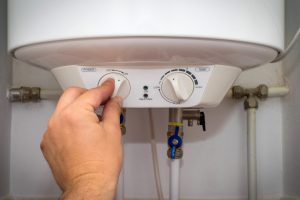
1. Slip and Fall Hazards
Let’s start with the obvious: water where it shouldn’t be creates a slick, slippery surface. Whether the heater is in your garage, laundry room, or attic, pooled water increases the risk of a fall—especially for kids or older adults.
2. Water Damage to Floors and Walls
A slow drip over time can soak into wood, drywall, insulation, or carpet—leading to mold, mildew, and expensive repairs. If your heater is in the attic (a common setup in many North Texas homes), the damage could leak down through the ceiling and walls below.
3. Mold and Mildew Growth
Where there’s water, there’s the potential for mold. Once mold starts growing, it can spread quickly and affect air quality throughout your home.
4. Tank Rupture
Here’s where things can go from bad to worse: If the tank is corroded or under too much pressure, it can eventually rupture. This results in gallons of hot water gushing out—potentially scalding people nearby and causing major flooding damage.
5. Pressure Build-Up (Explosion Risk)
While rare, a malfunctioning pressure relief valve can be extremely dangerous. If pressure or temperature builds up inside the tank and the T&P valve doesn’t work correctly, the tank can explode. This is why regular maintenance is critical—and why you shouldn’t ignore leaks near the top or side of your heater.
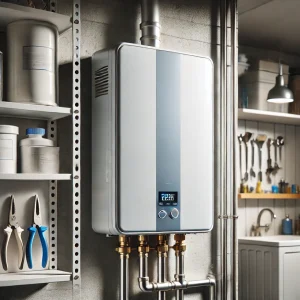 What Should I Do If My Water Heater Is Leaking?
Here’s what to do right away:
🔧 1. Turn Off the Water Supply
Find the shut-off valve on the cold water line going into your heater. Turn it clockwise to stop more water from entering the tank.
⚡ 2. Shut Off Power or Gas
-
For electric heaters: Go to your breaker panel and turn off the water heater circuit.
-
For gas heaters: Turn the gas valve to the “off” position.
📞 3. Call a Professional Plumber
This is not a DIY moment. Even if the leak looks minor, it can be a symptom of something bigger. A licensed plumber (like Blue Moon Plumbing!) can diagnose the issue, stop the leak, and recommend the best fix—whether it’s a simple part replacement or a full unit replacement.
Read this posted by the Department of Energy for tips about buying a new water heater.
Can It Be Repaired, or Do I Need a New Water Heater?
That depends on the age and condition of your heater.
-
Under 10 years old and the leak is coming from a valve or fitting? It may be repairable.
-
Over 10–12 years and leaking from the tank itself? Replacement is probably your safest, most cost-effective option.
If your energy bills have been creeping up or your hot water runs out quickly, that’s another clue your system is nearing the end.
How to Prevent Leaks in the First Place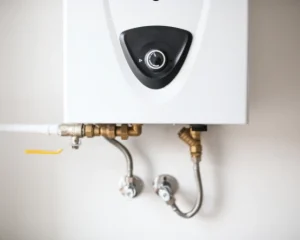
A little maintenance goes a long way. Here’s how to keep your water heater healthy:
-
Flush the tank once a year to remove sediment.
-
Check the T&P valve to make sure it’s working properly.
-
Inspect connections and valves for corrosion or dripping.
-
Schedule annual inspections with a trusted plumber.
Blue Moon Plumbing offers water heater maintenance services to help North Texas homeowners keep their water heaters running safely and efficiently—before problems pop up.
Final Thoughts: Don’t Ignore the Leak
Even a small leak can lead to serious damage, injuries, or safety hazards. If you notice puddles, rust, strange noises, or inconsistent hot water, your water heater might be trying to tell you something.
When in doubt, let the professionals take a look.
💧 Call Blue Moon Plumbing Today
If your water heater is leaking, don’t wait until it becomes an emergency. Contact Blue Moon Plumbing for fast, friendly, and expert plumbing services across North Texas.