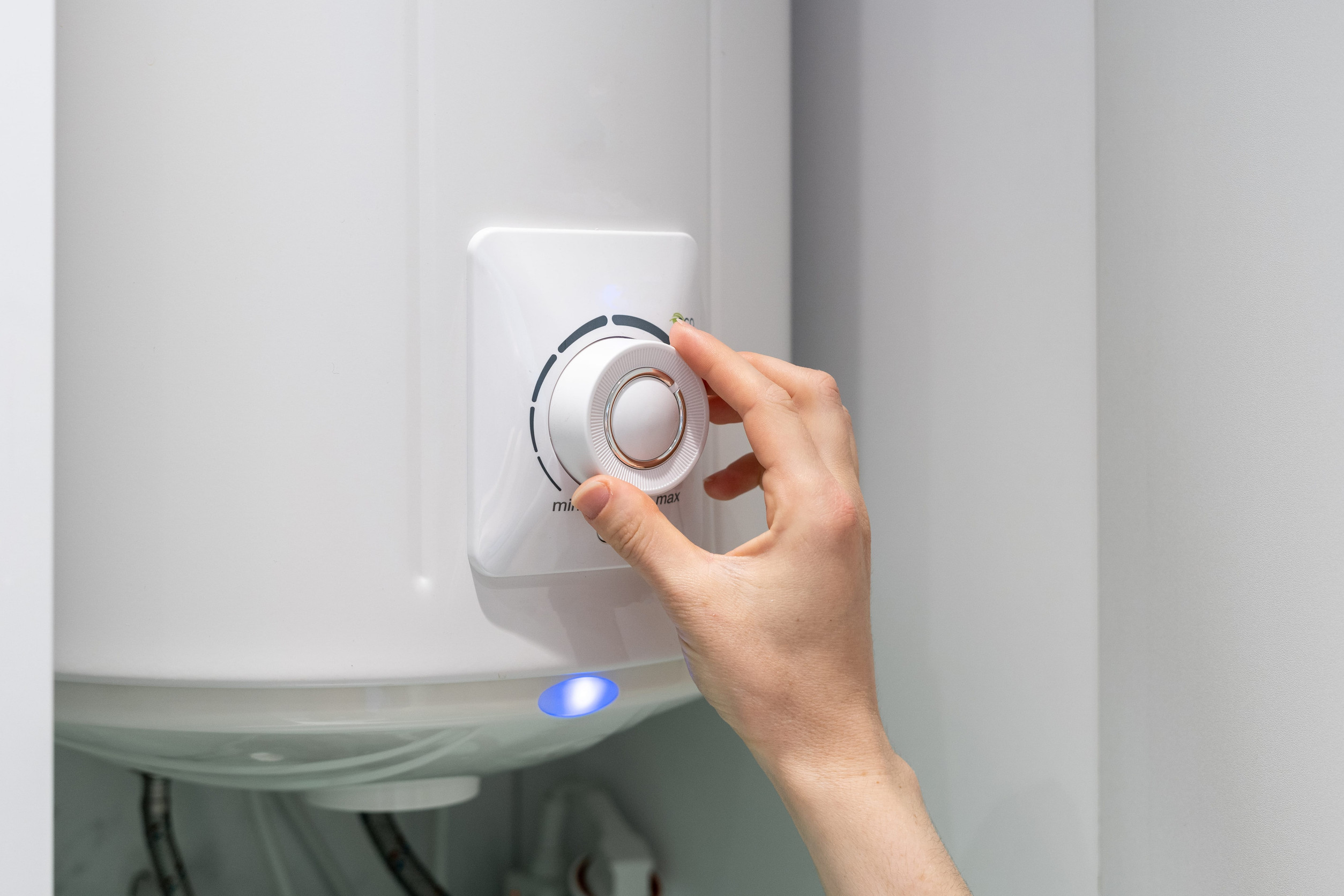
Setting your water heater to the correct temperature is essential for safety, comfort, and energy efficiency. If the temperature is too high, it can increase the risk of burns and raise energy costs. If it’s too low, it may allow harmful bacteria to grow and leave you with lukewarm showers.
So, how do you set a water heater properly? In this guide, we’ll walk through the steps to adjust your water heater safely, explain the ideal temperature settings, and help you determine when it’s time to call a professional plumber.
Why Water Heater Temperature Settings Matter
Your water heater’s thermostat controls how hot the water gets before it is delivered to your faucets and appliances. Setting the right temperature helps you:
-
Prevent scalding injuries
-
Reduce energy consumption
-
Protect plumbing fixtures and appliances
-
Maintain comfortable hot water for bathing and cleaning
-
Minimize the risk of bacterial growth in the tank
Most experts recommend a setting that balances safety with efficiency.
Recommended Water Heater Temperature Settings
| Temperature Setting | Best Use | Considerations |
|---|---|---|
| 120°F (49°C) | Standard household use | Energy-efficient and safe for most homes |
| 130°F (54°C) | Homes with dishwashers without built-in heaters | Slightly higher energy use |
| 140°F (60°C) | Commercial or sanitation needs | Higher scalding risk |
| Below 120°F | Not recommended | Bacteria may grow |
For most households, 120°F is the ideal setting because it provides hot water while reducing the risk of burns and lowering energy costs.
How to Set a Water Heater Temperature
The steps to adjust your water heater depend on whether you have a gas water heater or an electric water heater.
Step 1: Turn Off Power or Gas
Safety should always come first.
-
For electric water heaters, turn off the breaker at your electrical panel.
-
For gas water heaters, switch the gas control valve to the “pilot” setting.
This prevents electrical shock or gas issues while you adjust the thermostat.
Step 2: Locate the Thermostat
-
Electric water heaters typically have thermostats behind access panels on the tank.
-
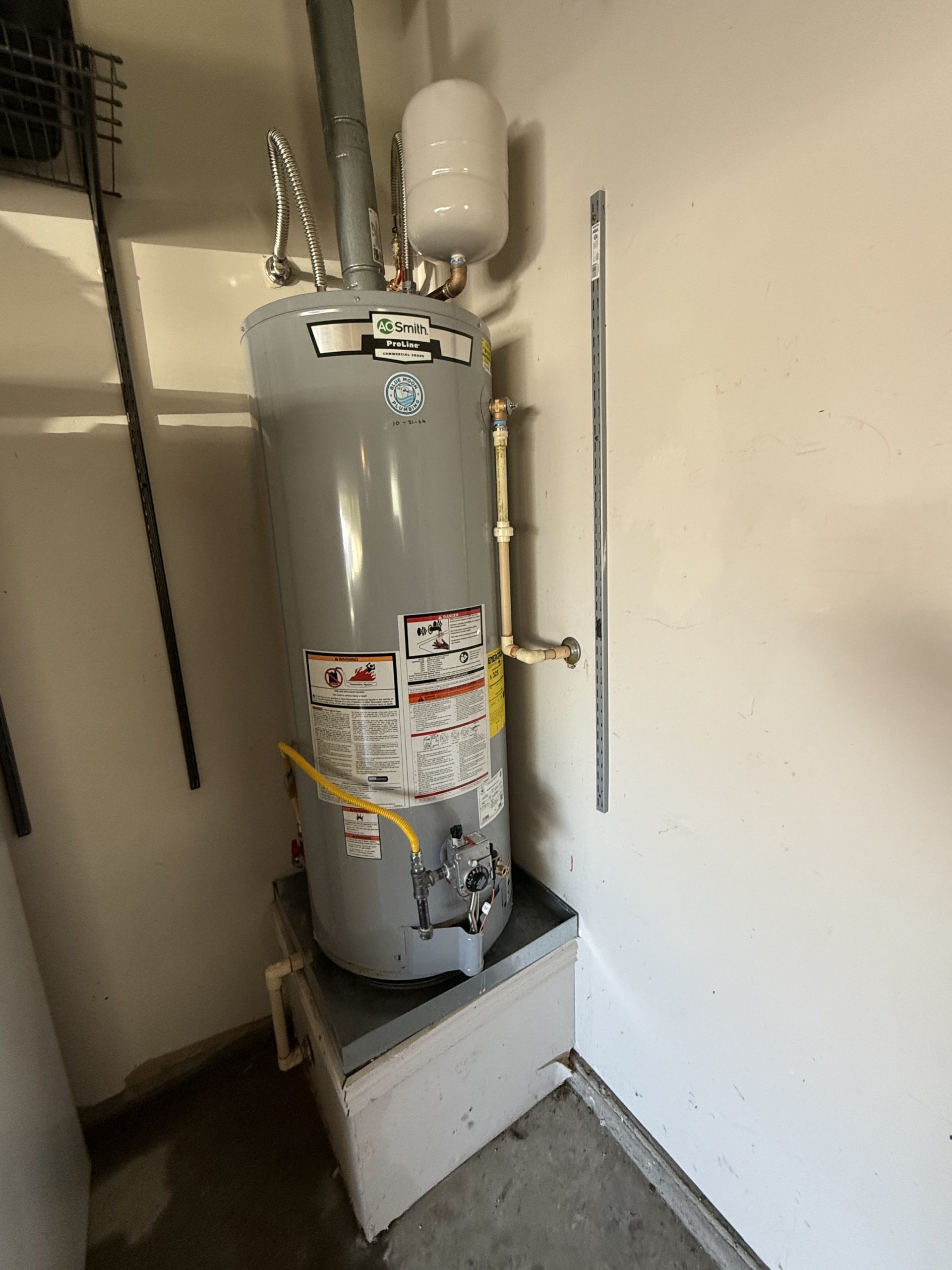
Gas water heaters usually have a temperature dial near the bottom of the tank.
Some water heaters may have two thermostats—an upper and lower one—especially in electric models. Read about the best 8 tankless water heaters in 2026.
Step 3: Adjust the Temperature
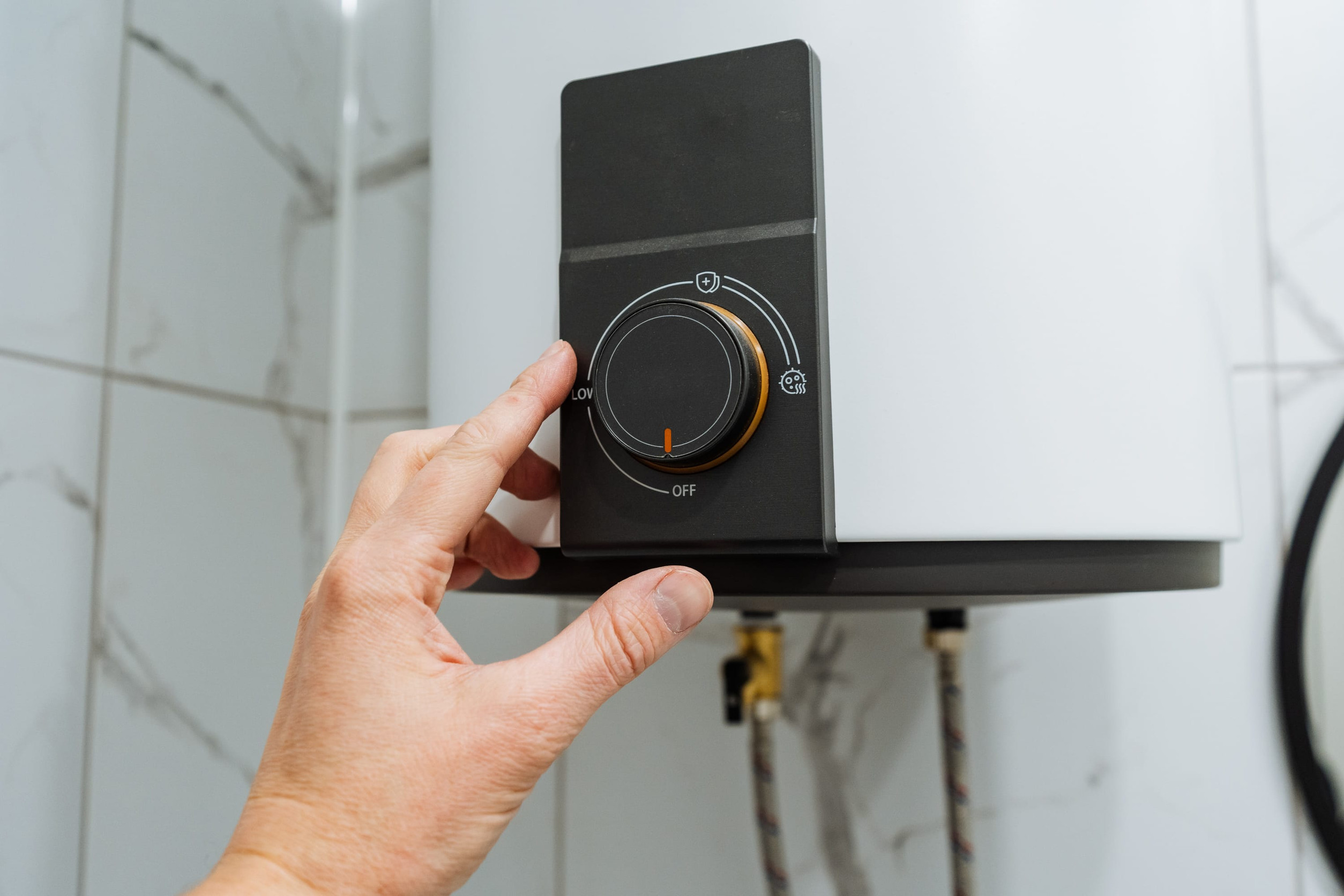
Use a screwdriver or the thermostat dial to adjust the temperature to your desired setting.
Most thermostats include markings such as:
-
Low
-
Warm
-
Hot
-
Very Hot
If the settings are not labeled with temperatures, consult your manufacturer’s manual to determine the equivalent temperature levels.
Step 4: Restore Power or Gas
After adjusting the thermostat:
-
Replace any access panels
-
Turn the breaker back on (for electric models)
-
Turn the gas valve back to the normal operating position
Allow the water heater several hours to reach the new temperature.
Step 5: Test the Water Temperature
After the tank has had time to heat the water, test the temperature at a faucet using a kitchen thermometer.
Run hot water for about one minute and check the reading to confirm it matches your desired setting.
Signs Your Water Heater Temperature Needs Adjustment
If your water heater is not set correctly, you may notice:
-
Water that is too hot or scalding
-
Inconsistent water temperature
-
High energy bills
-
Running out of hot water too quickly
-
Lukewarm water during showers
Adjusting the thermostat can often solve these problems quickly.
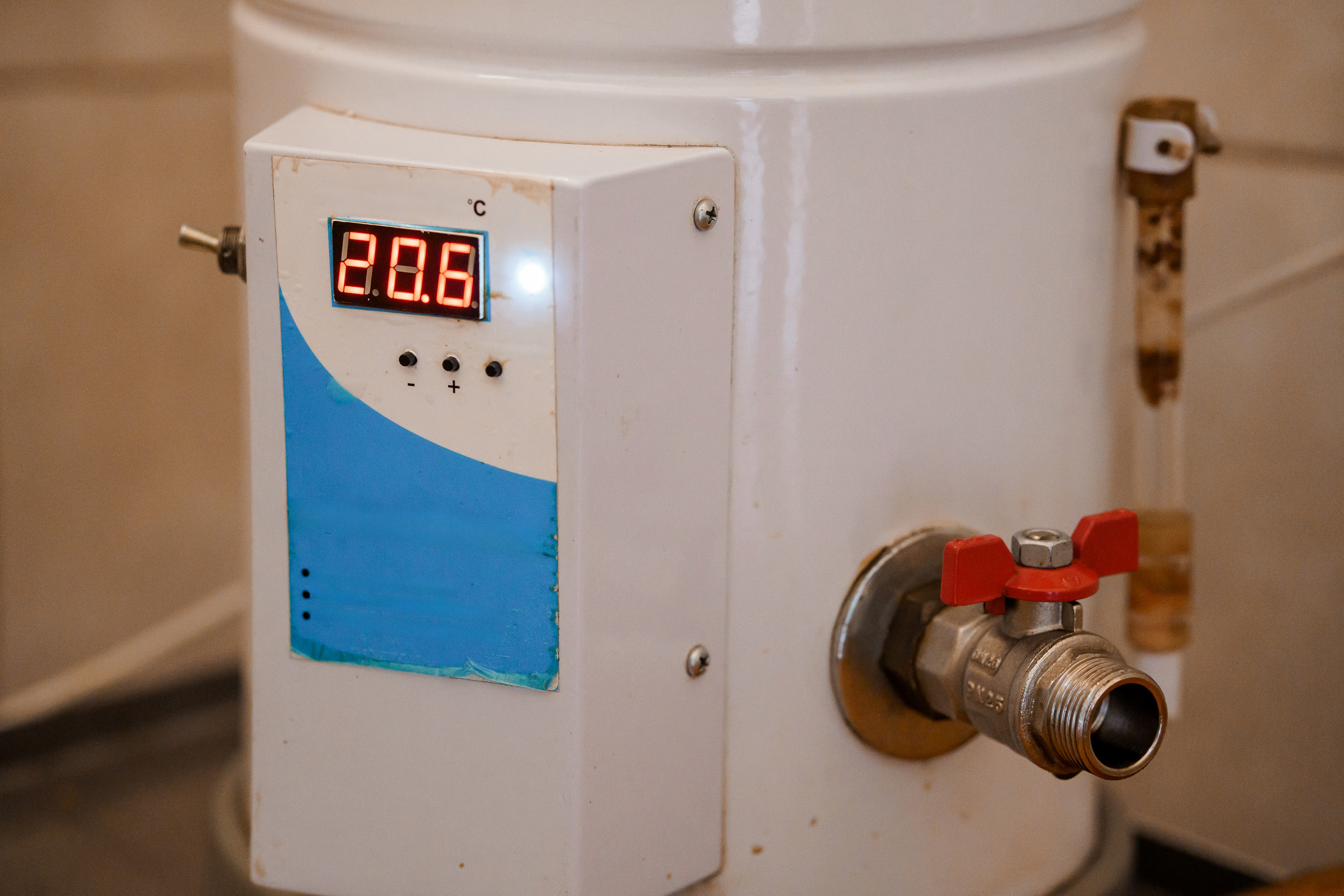
Energy Savings from Lower Temperature Settings
Lowering your water heater temperature can reduce energy use significantly.
For example, lowering the temperature from 140°F to 120°F can reduce water heating costs by up to 10 percent, depending on household usage.
This simple adjustment can improve efficiency while maintaining comfortable hot water.
When to Call a Professional Plumber
While adjusting a thermostat is usually straightforward, some situations require professional assistance.
You may want to call a plumber if:
-
The water heater won’t maintain temperature
-
The thermostat appears broken
-
The unit is leaking
-
You hear unusual noises from the tank
-
The water heater is more than 10–12 years old
Blue Moon Plumbing can inspect the system, replace faulty parts, and ensure your water heater operates safely. Check out our water heater service page for more details.
Final Thoughts
Learning how to set a water heater correctly helps protect your household, lower energy costs, and ensure reliable hot water. For most homes, setting the thermostat to 120°F provides the best balance between safety and efficiency.
Regularly checking and adjusting your water heater will extend the life of the system and prevent common problems before they become expensive repairs. Read our guide on how to flush a water heater.
FAQ about setting a Water Heater
What number should your water heater be set at?
Most water heaters should be set to 120°F, which provides enough hot water while reducing the risk of scalding and improving energy efficiency.
How do you adjust a hot water heater?
You adjust a hot water heater by turning the temperature dial on the thermostat (usually located near the bottom of the tank or behind a panel) to the desired setting.
Does turning up a hot water heater give you more hot water?
Turning up the temperature can make it seem like you have more hot water because hotter water mixes with cold water at the faucet, but it does not increase the tank’s actual capacity.
What does ABC mean on a gas water heater?
On many gas water heaters, A, B, and C are temperature settings, with A being about 130°F, B about 140°F, and C about 150°F, though exact temperatures can vary by manufacturer.