Let’s be honest—sewage backup is one of the most unpleasant plumbing issues you can face. One minute, everything’s flowing like it should; the next, your drains are gurgling, and you’re dealing with a nasty mess you definitely didn’t sign up for. The good news? Most sewage backups can be prevented with a little planning and routine care.
In this article, we’ll walk you through how to protect your home from backup issues before they happen.
🚫 What Causes Sewage Backups?
Before we talk prevention, it helps to know what you’re up against. Common causes of sewer backup include:
-
Tree root intrusion into pipes
-
Clogged or collapsed sewer lines
-
Grease buildup in drains
-
Heavy rains or flooding that overwhelm the municipal system
-
Flushing the wrong things (yep, even “flushable” wipes) Read our article titled, “Can Flushable Wipes Clog Toilets?”
Now that you know the culprits, let’s get into what you can do about it.
🛠️ 1. Don’t Treat Your Drains Like a Trash Can
It may seem harmless to wash food scraps or grease down the sink, but over time, that residue builds up—eventually leading to blockages. Read what not to put in your garbage disposal.
Pro tip:
-
Dispose of cooking grease in the trash, not the sink.
-
Use drain screens to catch hair, food, and debris.
-
Only flush toilet paper. That’s it. No wipes, cotton balls, or “flushable” anything!
🌳 2. Watch Out for Tree Roots
Tree roots love finding their way into sewer lines. If you have large trees near your sewer system, consider having the lines professionally inspected every few years to detect root growth before it causes major damage.
You can also use root barriers or pipe lining as a long-term solution. Read about how to remove tree roots.
🚿 3. Install a Backwater Valve
A backwater valve is a one-way valve that stops sewage from backing up into your home. This is especially important if your home is in a low-lying area or has a basement.
If you’re not sure if your home has one—or needs one—it’s worth asking a professional plumber to take a look.
🔧 4. Get Regular Plumbing Maintenance
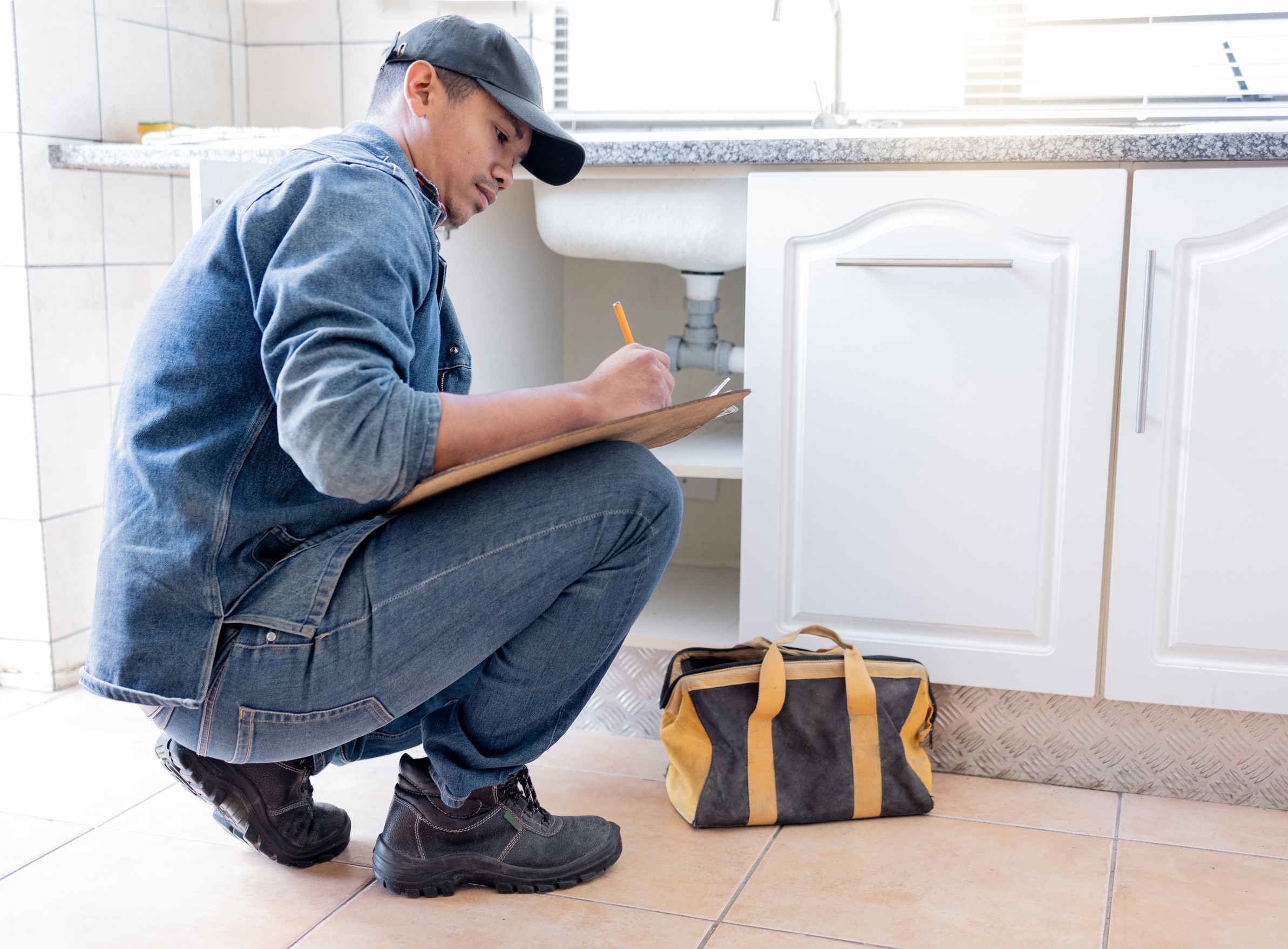
Most plumbing disasters don’t happen overnight. Regular inspections can catch small issues before they become expensive emergencies.
Need help with routine plumbing care or want to upgrade your system? Check out our Plano plumbing services at Blue Moon Plumbing. We’re here to help DFW homeowners keep their pipes flowing and their homes safe.
☔ 5. Prepare for Storms
If heavy rain is in the forecast, make sure your sump pump is working, and your yard drainage is in good shape. Stormwater can overload sewer systems and increase your risk of a backup—especially if your own plumbing system isn’t in top condition.
Final Thoughts
Sewage backup in your home isn’t just a hassle—it’s a health hazard. But with a few proactive steps and a little help from your local plumbing pros, you can protect your home and your peace of mind.
If you’ve experienced slow drains, foul odors, or recurring clogs, don’t wait. Call Blue Moon Plumbing today and let us help you prevent bigger problems down the road.