
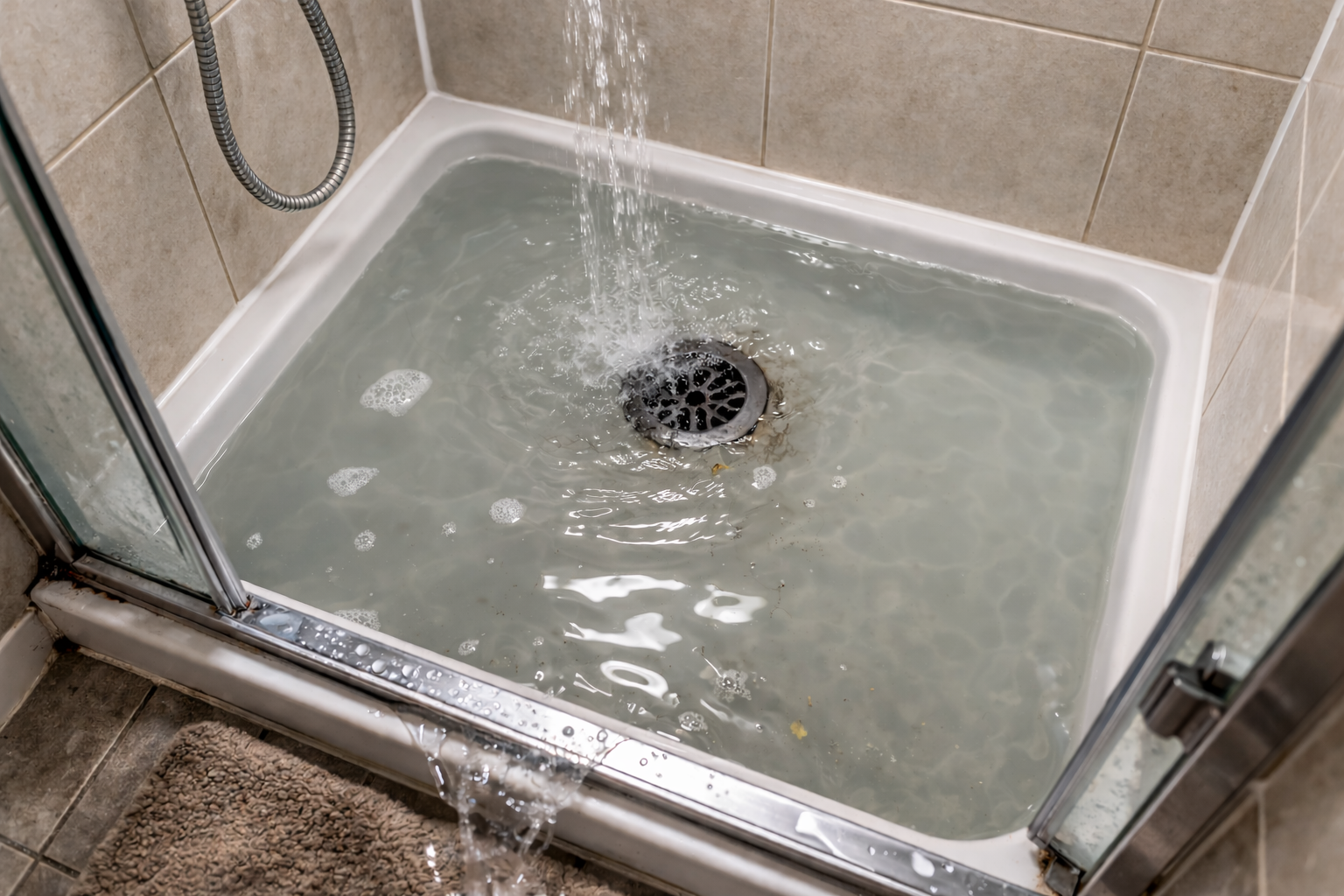
A clogged drain with standing water is one of the most frustrating plumbing problems homeowners face. Whether it’s your kitchen sink, bathroom sink, shower, or tub, standing water signals a blockage that needs immediate attention. The good news is that many minor clogs can be cleared safely with the right tools and approach.
In this guide, you’ll learn how to clear a clogged drain with standing water step by step, what tools to use, and when to call a professional plumber.
What Causes Standing Water in a Drain?
Standing water happens when something blocks the normal flow of water through your pipes. The most common causes include:
-
Hair buildup (bathroom drains)
-
Grease and food debris (kitchen sinks)
-
Soap scum
-
Foreign objects
-
Mineral buildup from hard water
-
Tree root intrusion (main sewer line)
Identifying the likely cause helps determine the best solution.
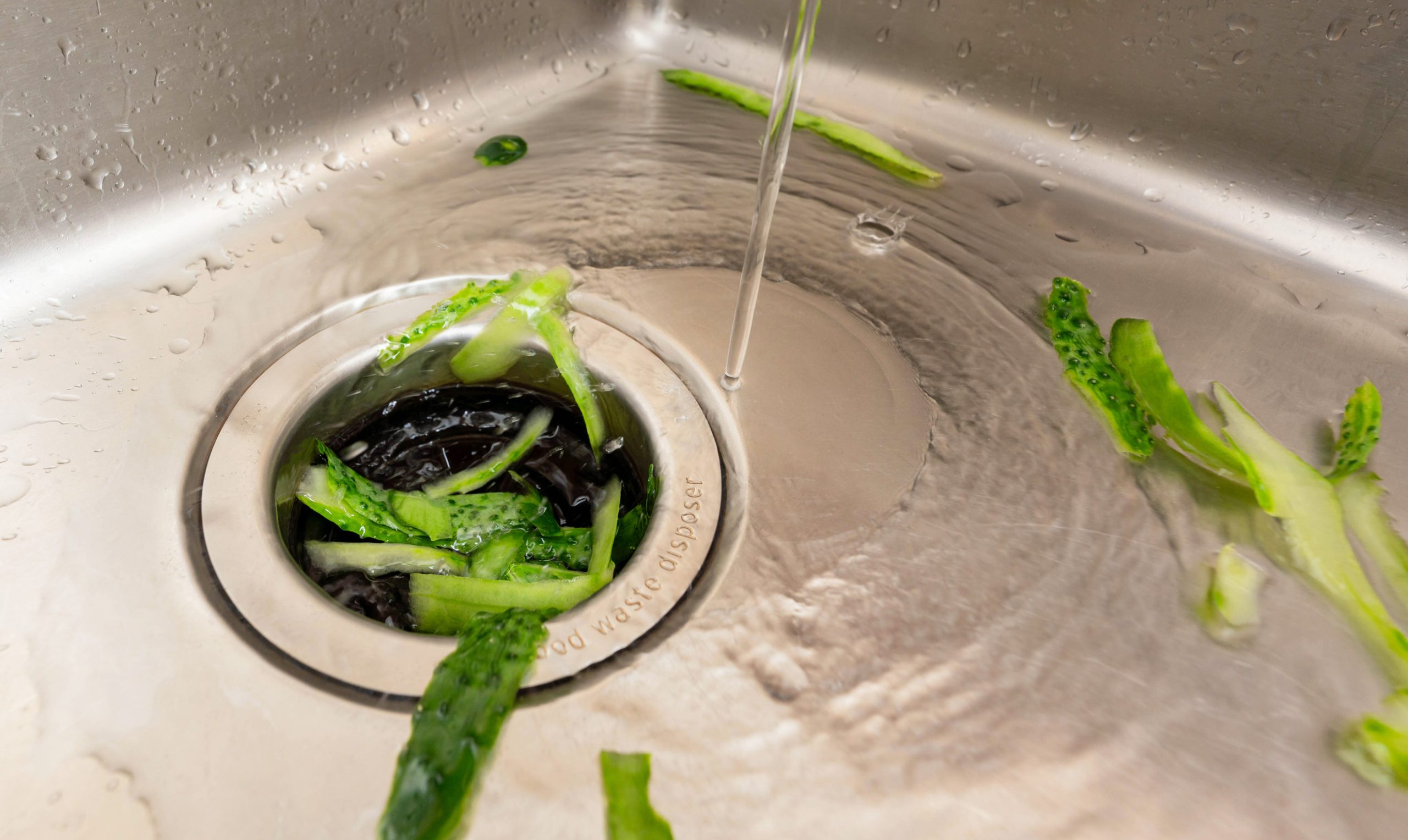
Step-by-Step: How to Clear a Clogged Drain With Standing Water
Step 1: Remove Excess Standing Water
Before you begin, use a cup, small container, or wet/dry vacuum to remove as much standing water as possible. This makes it easier to access the drain opening.
Step 2: Try a Plunger
A plunger is often the fastest and easiest solution.
How to use it:
-
Place the plunger directly over the drain.
-
Ensure there is enough water to cover the rubber cup.
-
Pump firmly up and down for 15–20 seconds.
-
Check if water begins draining.
Tip: For sinks with overflow openings, cover the overflow hole with a damp cloth to improve suction.
Step 3: Use Baking Soda and Vinegar
For minor organic clogs, try this natural method:
-
Pour 1 cup baking soda into the drain.
-
Follow with 1 cup vinegar.
-
Let it sit for 15–30 minutes.
-
Flush with hot (not boiling for PVC) water.
This works best for light grease or soap buildup.
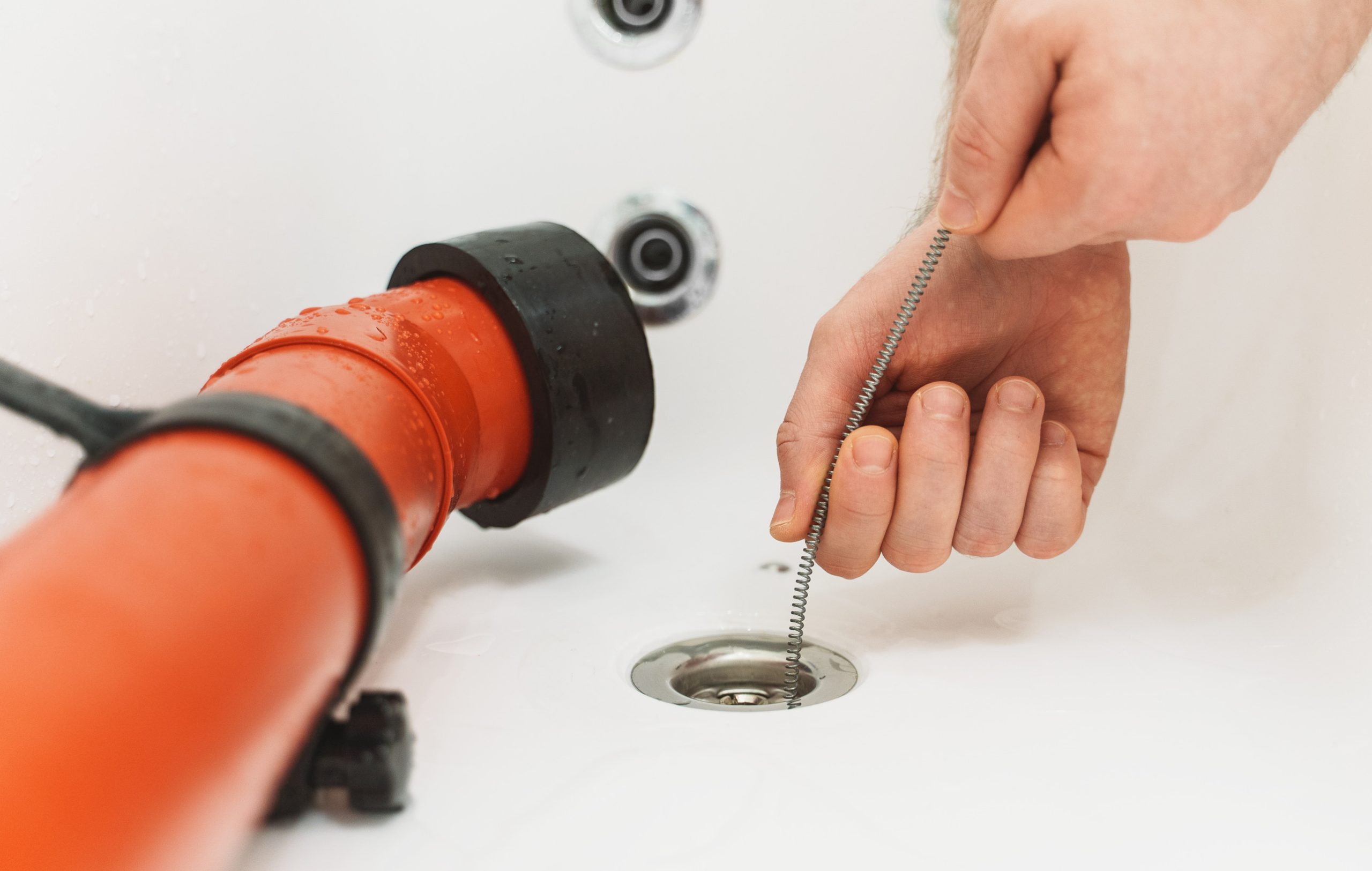
Step 4: Use a Drain Snake (Drain Auger)
If plunging doesn’t work, a drain snake can reach deeper clogs.
-
Insert the snake into the drain.
-
Rotate the handle while pushing downward.
-
Pull out debris.
-
Repeat as needed.
Hair clogs in bathroom drains are often removed effectively with this tool. Read our full guide on how to use a drain pipe auger.
Step 5: Check and Clean the P-Trap (Under Sink Drains)
For sink clogs:
-
Place a bucket under the sink.
-
Unscrew the P-trap (curved pipe).
-
Remove debris buildup.
-
Reattach securely.
This is common for kitchen sinks with grease buildup.
Quick Comparison Chart: Drain Clearing Methods
| Method | Best For | Difficulty Level | When to Use |
|---|---|---|---|
| Plunger | Minor clogs | Easy | First attempt |
| Baking Soda & Vinegar | Light organic buildup | Easy | After plunging |
| Drain Snake | Hair and deeper clogs | Moderate | If plunging fails |
| Cleaning P-Trap | Kitchen sink clogs | Moderate | If blockage is under sink |
| Professional Service | Severe or recurring clogs | Professional | When DIY fails |
What NOT to Do
Avoid these common mistakes:
-
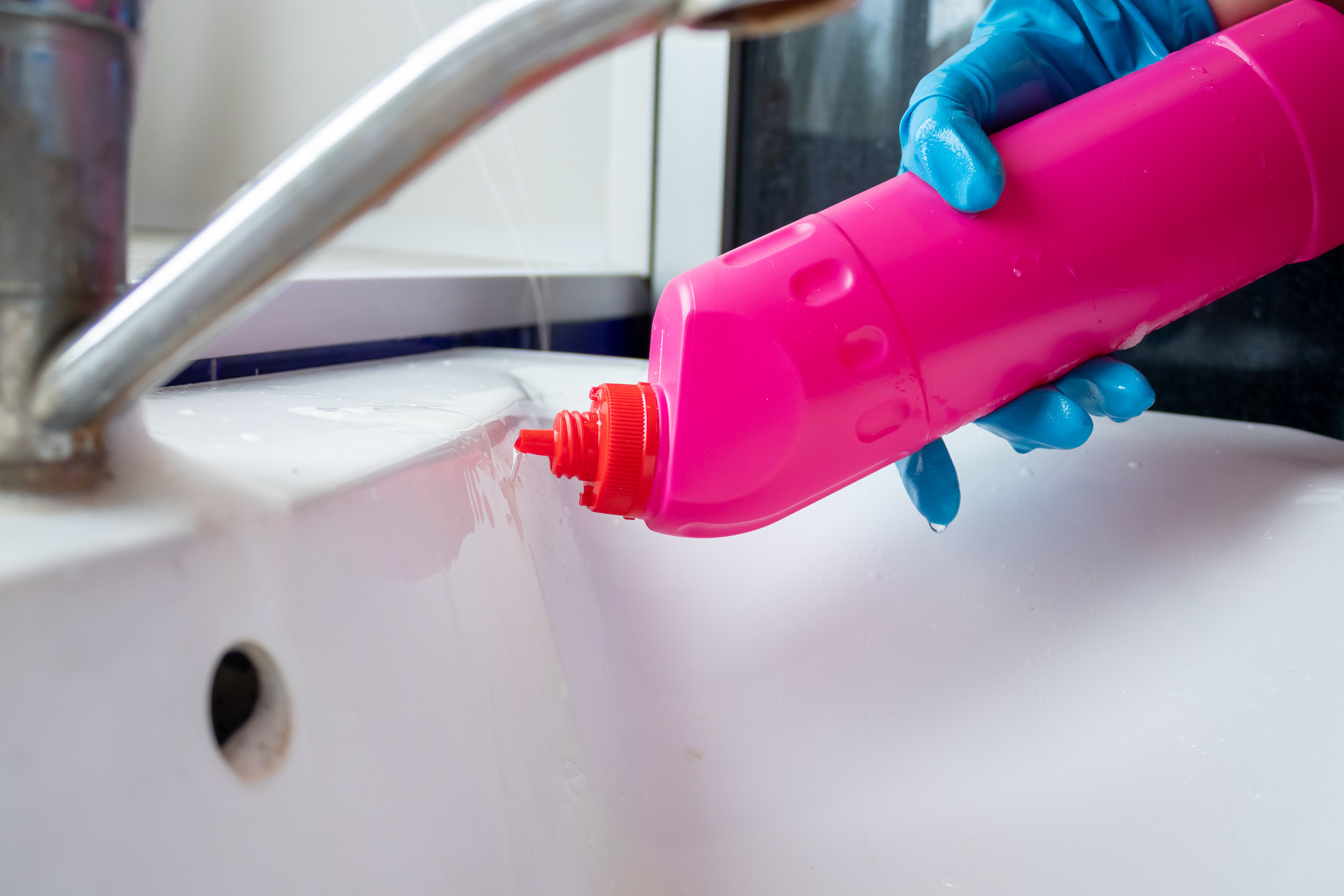
Do not pour chemical drain cleaners into standing water.
-
Avoid mixing chemical cleaners.
-
Do not use boiling water on PVC pipes. Learn how to identify pvc pipes and fittings.
-
Do not ignore recurring clogs.
Chemical cleaners can damage pipes and create hazardous conditions.
Signs You May Have a Bigger Problem
If you notice any of the following, you may have a main sewer line clog:
-
Multiple drains backing up
-
Toilets gurgling
-
Water backing up in shower when toilet flushes
-
Frequent recurring clogs
-
Foul sewage odors
These symptoms require professional plumbing service.
When to Call a Professional Plumber
You should call a licensed plumber if:
-
The clog doesn’t clear after multiple attempts
-
Standing water returns quickly
-
Multiple fixtures are affected
-
You suspect tree root intrusion
-
You smell sewage
Professional drain cleaning uses tools like motorized augers and hydro jetting to remove stubborn blockages safely and completely.
Real-World Tip for Homeowners
In many homes, kitchen sink clogs are caused by grease buildup over time. Even small amounts of cooking oil can accumulate and trap food debris, eventually causing standing water. Prevent this by:
-
Never pouring grease down the drain
-
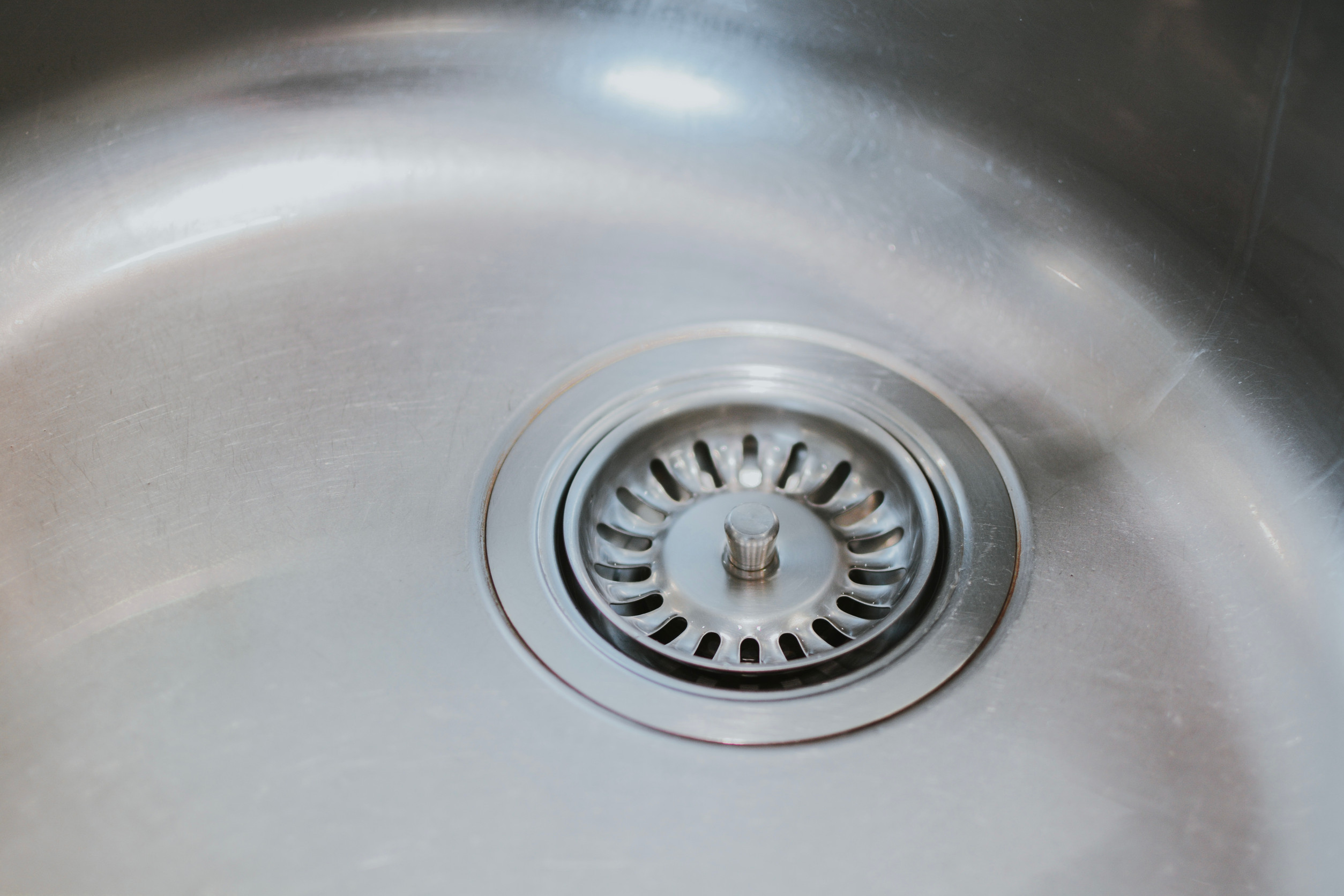
Using a drain strainer
-
Flushing kitchen drains with hot water regularly
Preventative maintenance can reduce the risk of major clogs.
Final Thoughts
Clearing a clogged drain with standing water can often be resolved using simple tools like a plunger or drain snake. Acting quickly helps prevent damage and unpleasant odors. However, persistent or severe clogs may signal deeper plumbing issues that require professional attention.
If DIY methods don’t resolve the issue, contact Blue Moon Plumbing for a safe and effective solution.