
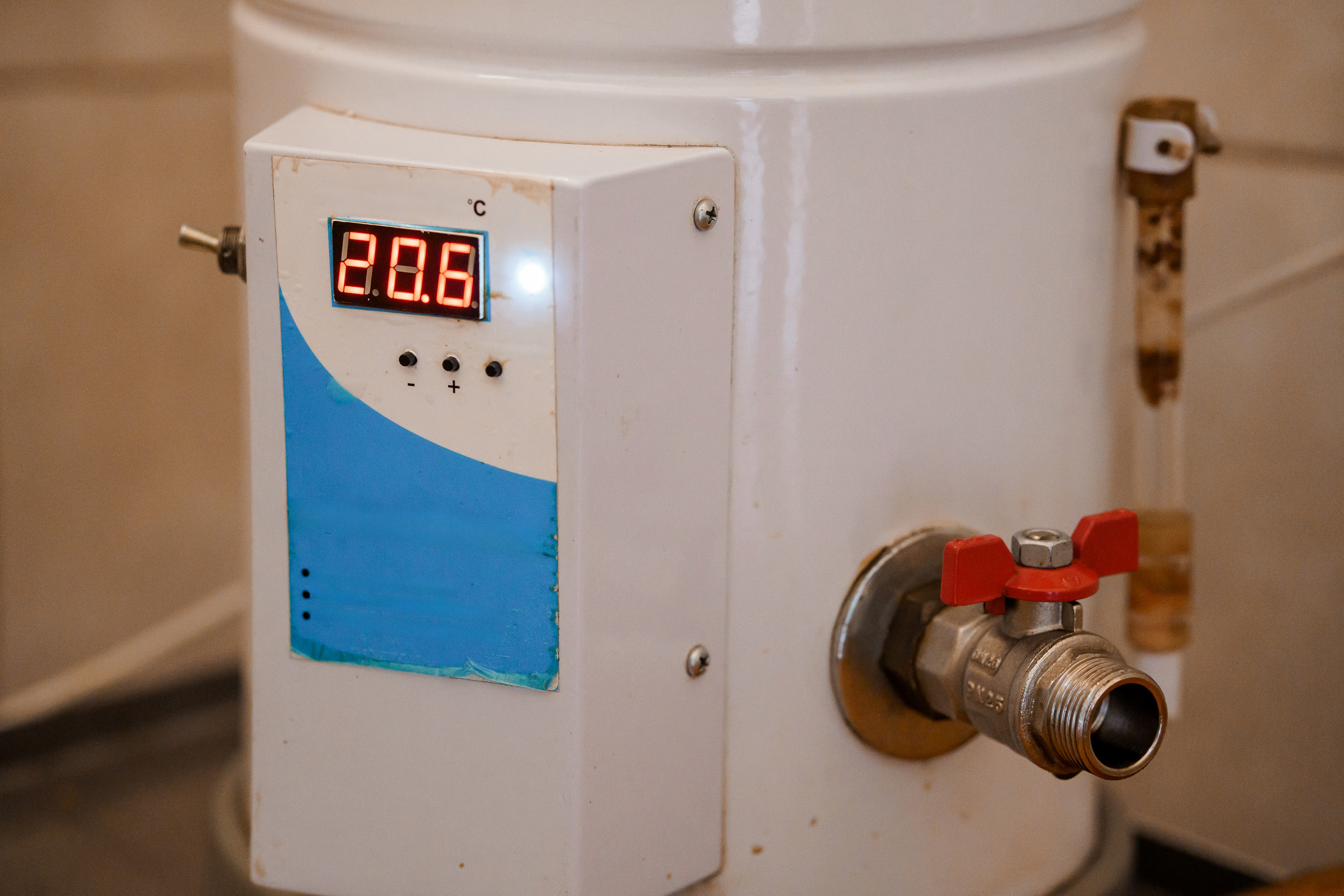
Draining your water heater is an important maintenance task that helps protect your plumbing system, extend the life of your unit, and ensure reliable hot water. Whether you’re preparing for repairs or performing routine maintenance, knowing how to safely drain your water heater can help prevent sediment buildup and potential damage.
This guide explains exactly how to drain a water heater, when to do it, and how draining differs from flushing—so you can make the best decision for your home.
Why You Might Need to Drain Your Water Heater
Over time, minerals and sediment from your water supply settle at the bottom of your tank. In North Texas, hard water makes sediment buildup especially common. Draining the tank helps remove water and loose debris, and it’s often required before repairs or part replacements.
Common reasons to drain a water heater include:
-
Performing maintenance or inspection
-
Replacing the drain valve or heating element
-
Preparing for a full system flush
-
Removing loose sediment buildup
-
Replacing or moving the unit
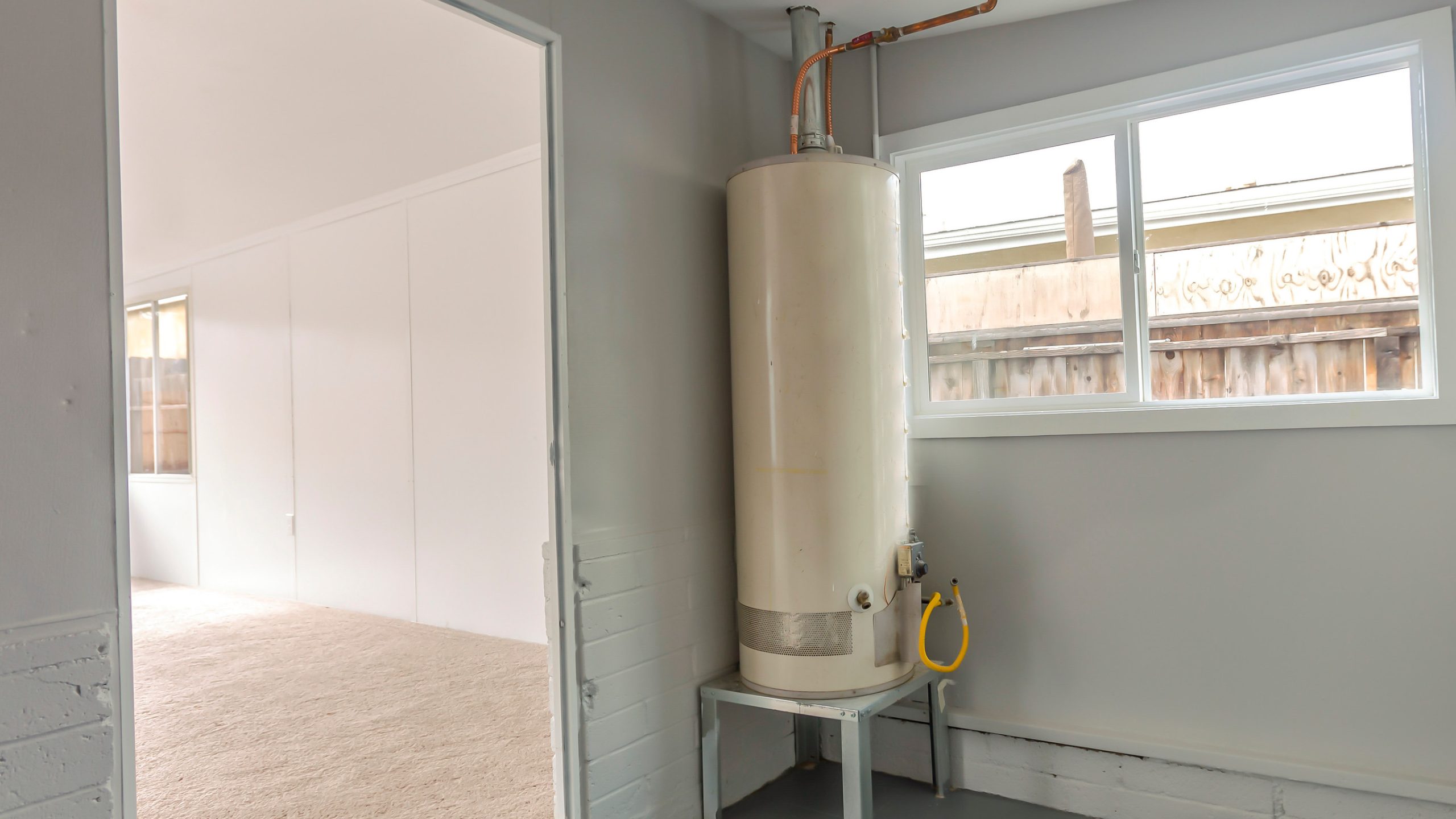
Step-by-Step: How to Drain Your Water Heater Safely
Follow these steps carefully to avoid injury or damage.
Step 1: Turn Off the Power or Gas
-
Electric water heater: Turn off power at the breaker panel.
-
Gas water heater: Turn the gas control valve to the “pilot” setting.
This prevents the heating elements or burner from operating while the tank is empty.
Step 2: Turn Off the Cold Water Supply
Locate the cold water shut-off valve above the tank and turn it clockwise to stop water from entering the heater.
Step 3: Allow the Water to Cool
Hot water can cause serious burns. Wait at least 1–2 hours after turning off the heater before draining.
Step 4: Connect a Garden Hose to the Drain Valve
Attach a standard garden hose to the drain valve located near the bottom of the tank. Place the other end of the hose in:
-
A floor drain
-
A driveway
-
Or outside in a safe drainage area
Step 5: Open a Hot Water Faucet
Turn on a hot water faucet somewhere in your home. This relieves pressure and allows the tank to drain smoothly.
Step 6: Open the Drain Valve
Slowly open the drain valve and allow the water to flow out completely. This may take 20–60 minutes depending on tank size and sediment level.
Step 7: Close the Valve and Refill the Tank
Once drained:
-
Close the drain valve
-
Remove the hose
-
Turn the cold water supply back on
-
Leave the hot faucet open until water flows steadily
Then restore power or gas to the unit.
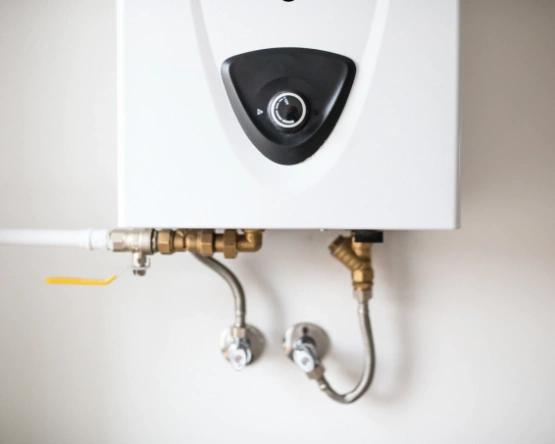
Draining vs. Flushing: What’s the Difference?
Many homeowners use these terms interchangeably, but they serve different purposes.
| Feature | Draining a Water Heater | Flushing a Water Heater |
|---|---|---|
| Removes water from tank | Yes | Yes |
| Removes loose sediment | Yes | Yes |
| Removes stubborn mineral buildup | No | Yes |
| Uses fresh water to rinse tank | No | Yes |
| Maintenance effectiveness | Basic | Thorough cleaning |
| Recommended annually | Helpful | Strongly recommended |
Draining removes water and loose debris, but flushing goes further by actively rinsing the tank to remove stubborn sediment buildup. Blue Moon Plumbing has another article explaining what a water heater flush is and why it’s essential for long-term performance.
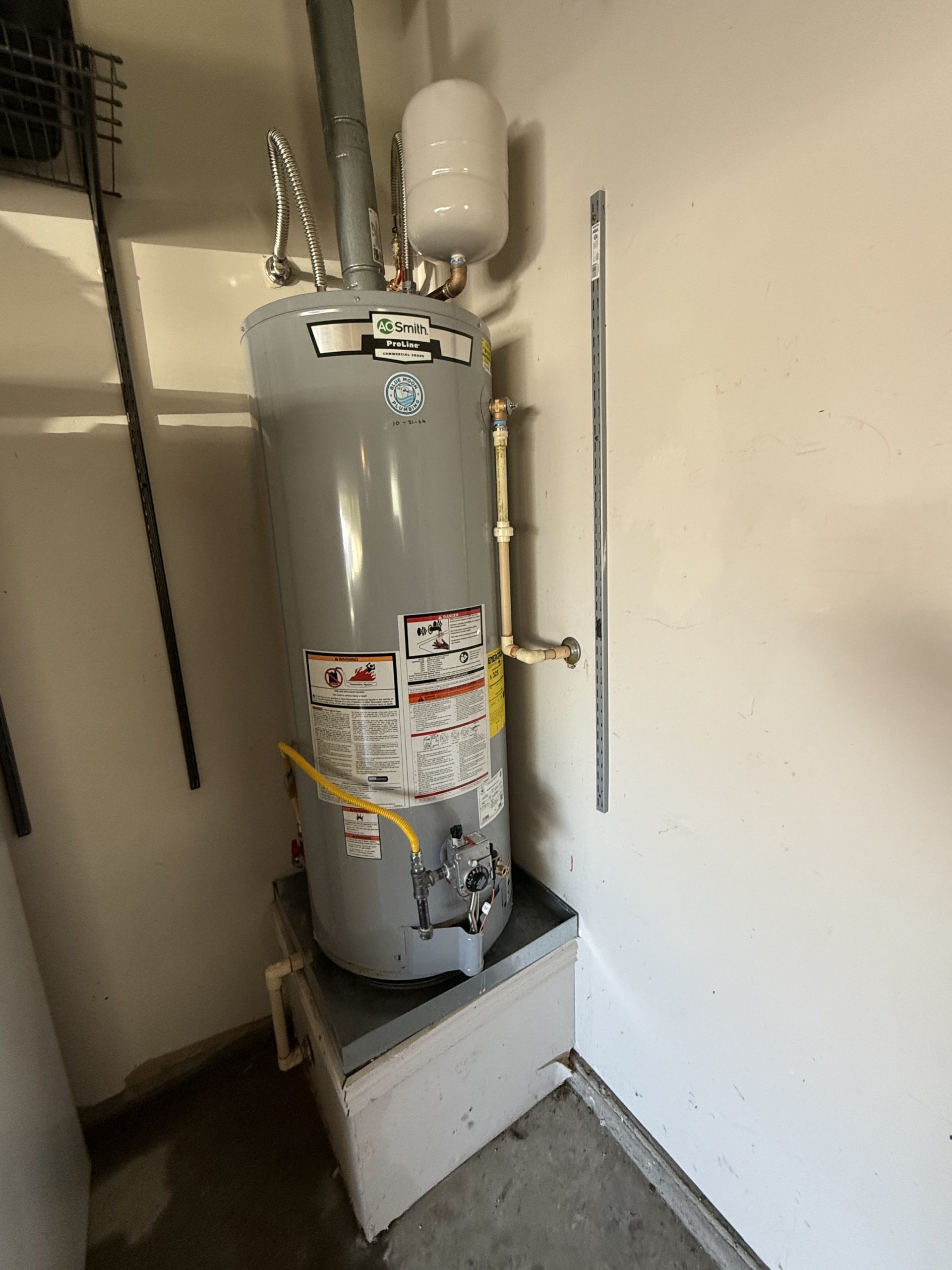
Why Draining Matters in North Texas
Because North Texas has hard water, minerals like calcium and magnesium settle at the bottom of your tank. Over time, this sediment can:
-
Reduce heating efficiency
-
Increase energy bills
-
Cause rumbling or popping noises
-
Shorten the lifespan of your water heater
For example, homeowners who never drain or flush their water heater may see failure in 6–8 years, while properly maintained units often last 10–15 years.

How Often Should You Drain Your Water Heater?
As a general guideline:
-
Drain your water heater at least once per year
-
Flush annually for best results
-
Drain before any major repairs
Homes with hard water may benefit from more frequent maintenance.
Signs Your Water Heater Needs to Be Drained
Watch for these warning signs:
-
Rumbling or popping noises
-
Reduced hot water supply
-
Cloudy or rusty hot water
-
Rising energy bills
-
Water heater is more than one year old and has never been drained
These symptoms often indicate sediment buildup.
When to Call a Professional Plumber
While draining a water heater is straightforward, professional service may be necessary if:
-
The drain valve is clogged
-
The valve won’t open or close properly
-
The tank won’t drain completely
-
Your water heater is older or hasn’t been maintained
-
You’re unsure about safely restoring power or gas
Improper maintenance can damage the unit or create safety risks.
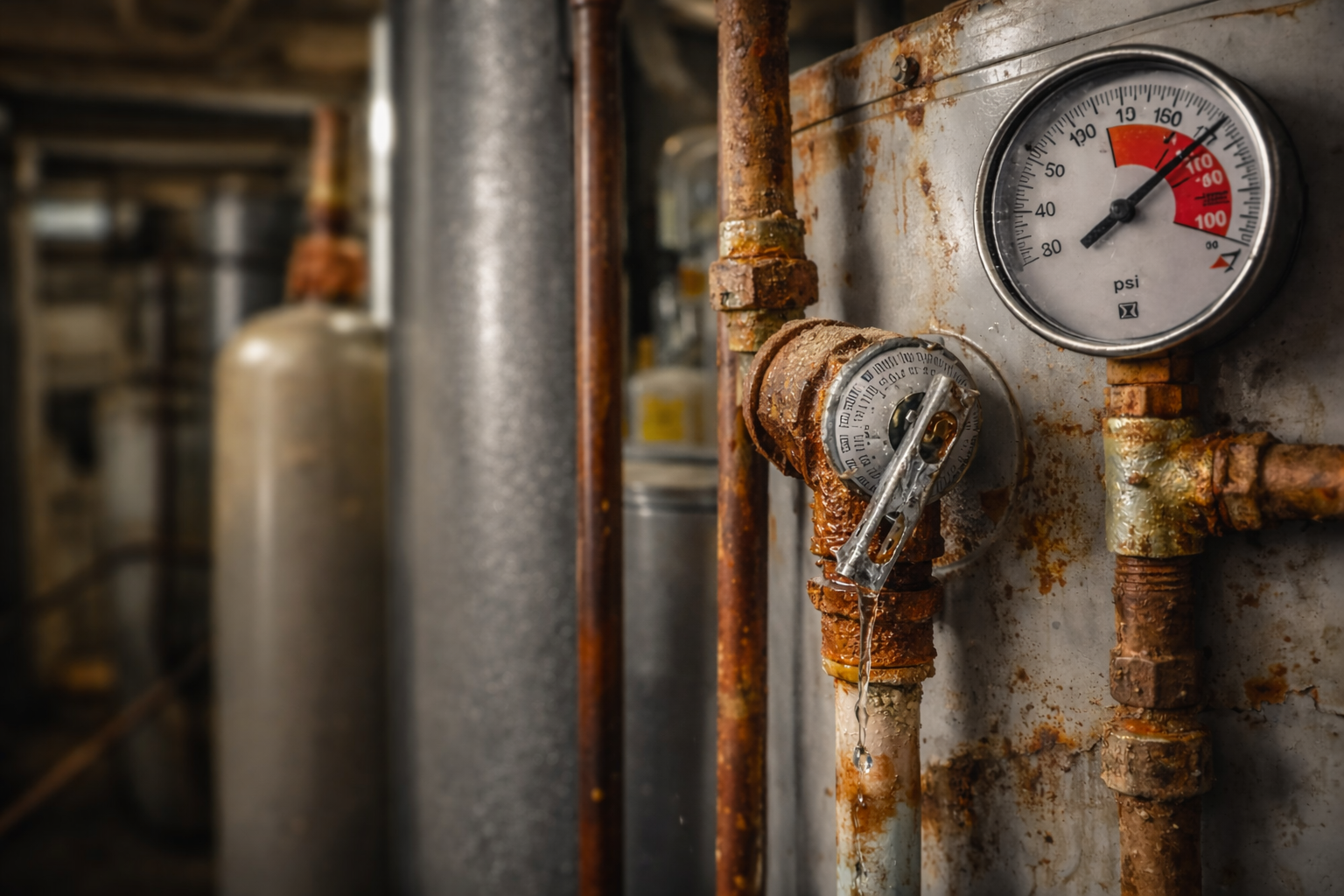
Professional Water Heater Maintenance from Blue Moon Plumbing
Routine maintenance is the key to extending the life of your water heater and avoiding costly breakdowns. Blue Moon Plumbing provides professional water heater maintenance and installs.
Professional service helps:
-
Improve efficiency
-
Extend equipment lifespan
-
Prevent costly repairs
-
Ensure safe operation
Final Thoughts
Draining your water heater is an important maintenance task that removes water and loose sediment, helping protect your system and improve performance. However, flushing provides a deeper cleaning and is recommended for complete sediment removal.
If you’re unsure about draining your water heater or want to ensure it’s done properly, the licensed professionals at Blue Moon Plumbing are ready to help keep your hot water system running reliably year-round.
FAQ about Draining a Water Heater
How long does it take to drain a water heater?
Most residential water heaters take between 20 and 60 minutes to fully drain, depending on tank size and how much sediment is inside.
Do I need to turn off the water heater before draining it?
Yes, you must turn off the power or gas before draining to prevent overheating, equipment damage, or safety hazards.
Is draining a water heater the same as flushing it?
No, draining removes the water and loose sediment, while flushing involves running fresh water through the tank to remove stubborn mineral buildup more thoroughly.
Can I use hot water immediately after draining my water heater?
You can use hot water once the tank is fully refilled and the power or gas has been safely restored, which usually takes 30–60 minutes.
Why is sediment buildup bad for a water heater?
Sediment creates a barrier between the heating element and the water, forcing the heater to work harder, increasing wear, and reducing efficiency.
Why won’t my water heater drain?
Sediment buildup may clog the drain valve, preventing water from flowing out, which often requires professional cleaning or valve replacement.
When should I call a plumber to drain my water heater?
You should call a plumber if the drain valve is stuck, clogged, leaking, or if you’re unsure how to safely restore the system afterward.