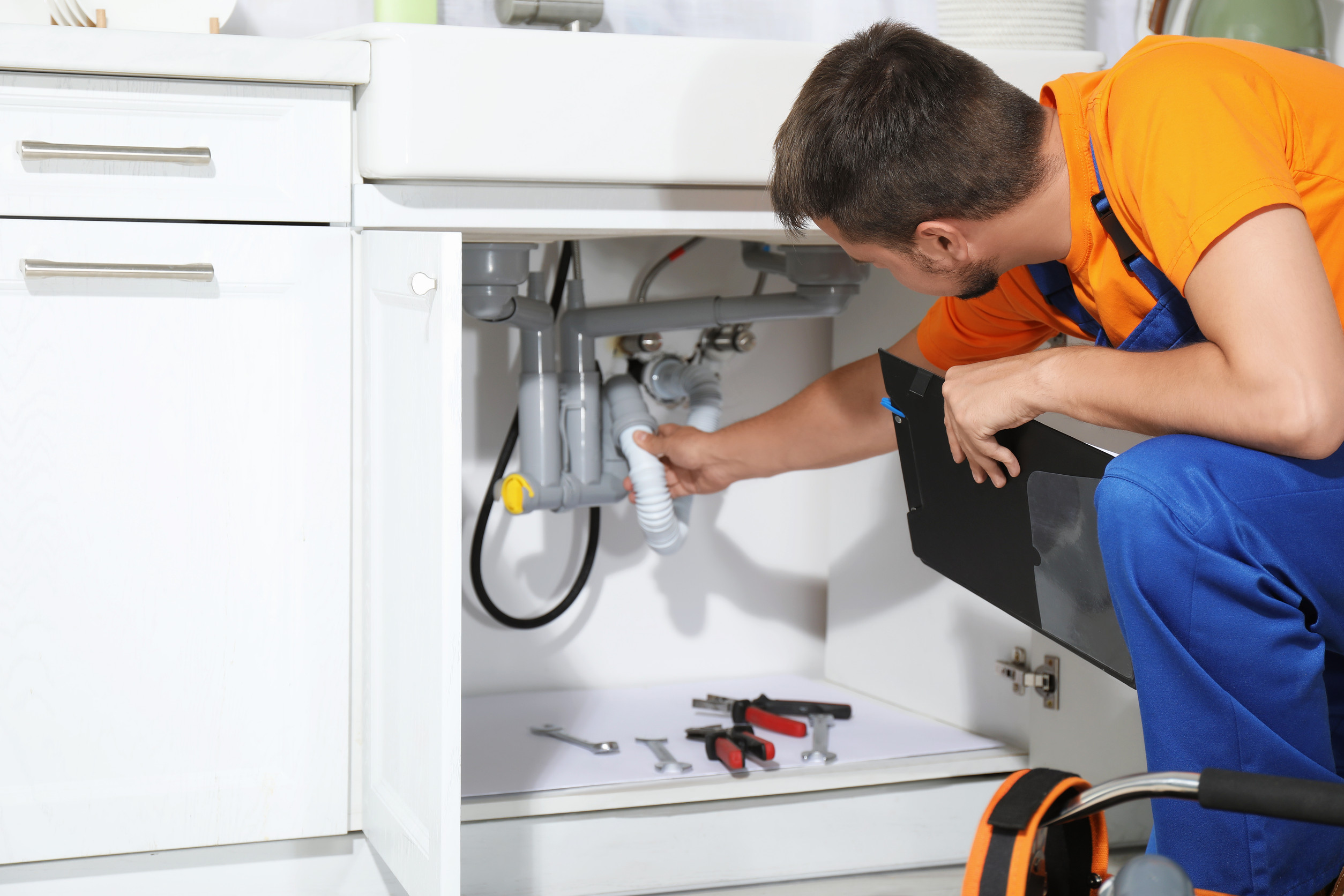
Clogged drains are one of those household headaches that seem to strike at the worst times—right before guests arrive, when you’re washing dishes, or just as you’re getting ready for work. When it happens, you might be tempted to grab a plunger, pour in some store-bought drain cleaner, and hope for the best. But is that really the best solution? Or should you call in a professional?
Let’s break down the pros and cons of DIY drain cleaning versus professional service so you can decide what’s best for your home.
DIY Drain Cleaning: Quick Fix or Temporary Solution?
If you’re the hands-on type, tackling a clogged drain yourself might be your first instinct. Here are some common DIY methods and their effectiveness:
1. Plunging
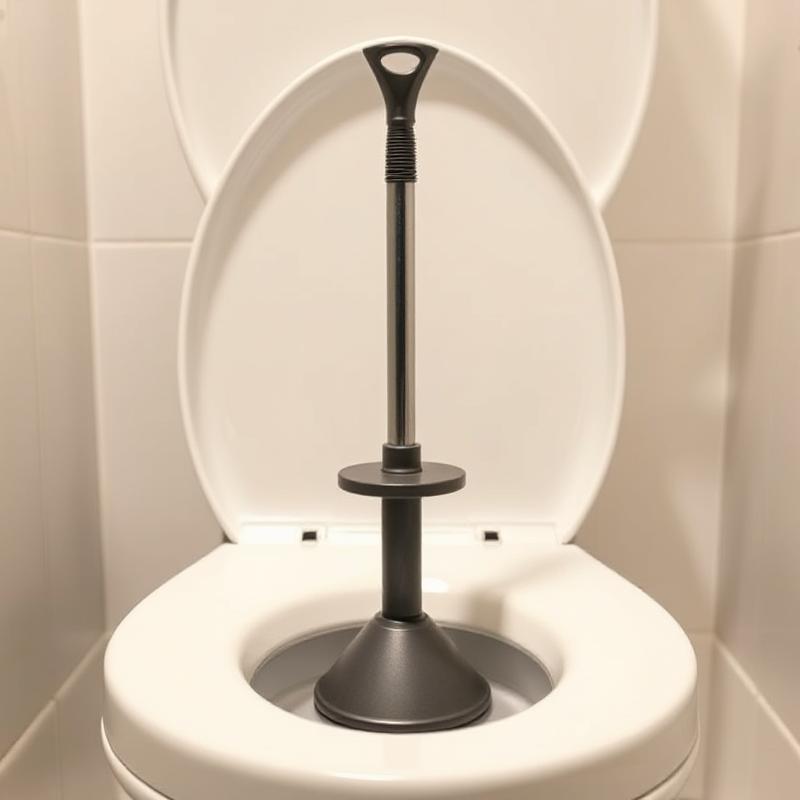
A plunger can work wonders for minor clogs in sinks, tubs, and toilets. It’s quick, cheap, and easy to use. But if the clog is deep in the pipes, a plunger might not do the trick.
Stickley (2024) Plungers are basic household tools designed to unclog drains. Since drain clogs are common plumbing problems, plungers offer an extremely effective, inexpensive, and easy way solution.
2. Baking Soda & Vinegar
This classic home remedy can help break up mild buildups. Pouring a mix of baking soda and vinegar down the drain creates a fizzy reaction that may loosen minor clogs. However, it’s not strong enough for serious blockages.
3. Store-Bought Drain Cleaners
Chemical drain cleaners promise fast results, but they often do more harm than good. These harsh chemicals can corrode your pipes over time and release toxic fumes. Plus, if they don’t fully clear the clog, they leave you with a bigger problem down the line.
4. Drain Snakes & Augers
A small hand-crank drain snake can be effective for removing hair and debris from bathroom sinks and showers. But for tough, deep clogs, a consumer-grade snake may not be powerful enough. Learn how to use a drain snake.
When DIY Works Best:
- For minor clogs that aren’t recurring
- When the blockage is near the surface of the drain
- If you want a quick, temporary fix
When DIY Fails:
- If the clog keeps coming back
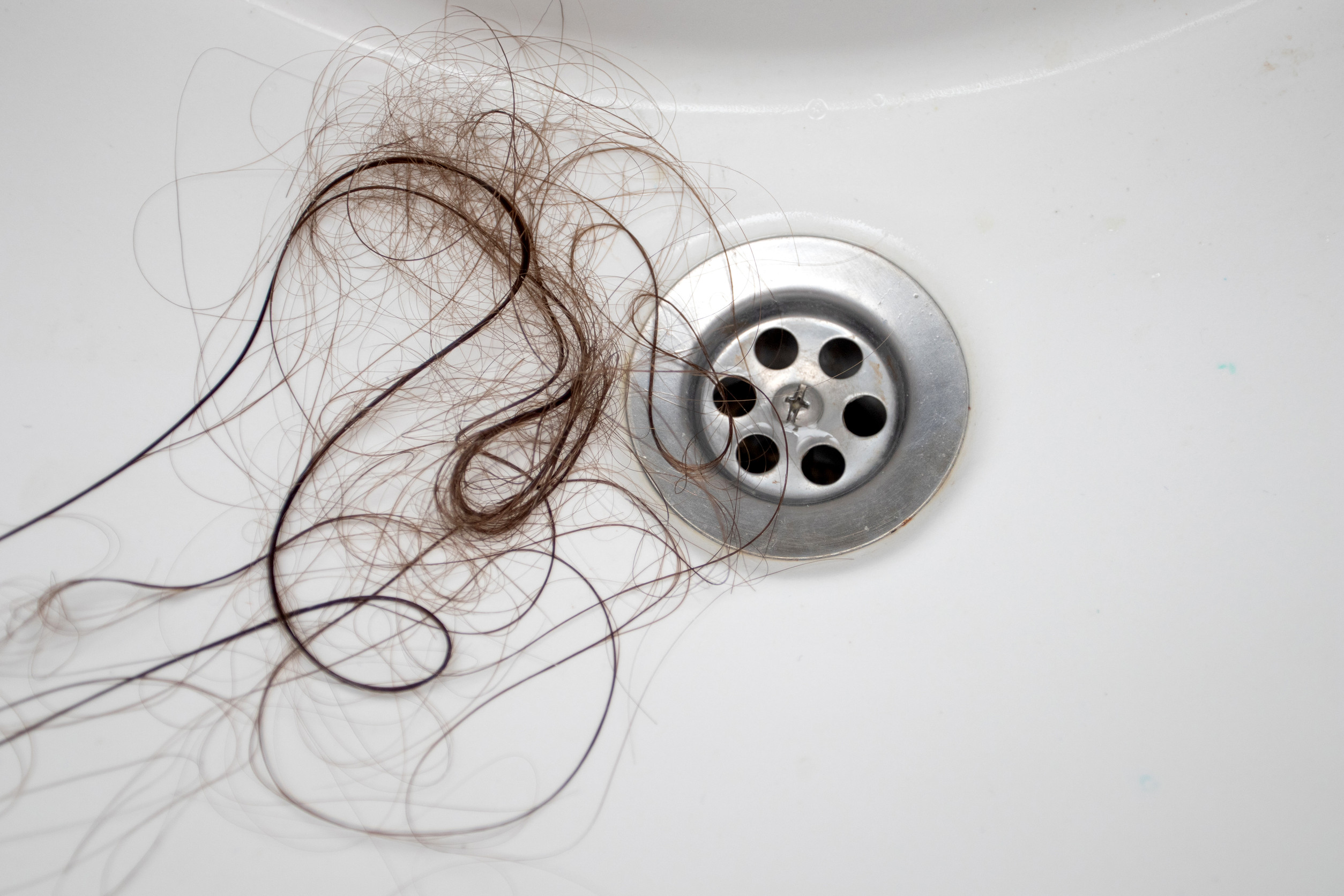
- If you suspect tree roots, grease buildup, or a deep pipe issue
- When multiple drains in your home are backing up (this could signal a bigger plumbing problem)
Professional Drain Cleaning: The Long-Term Solution
Sometimes, DIY methods just don’t cut it. That’s when it’s time to call in the experts. Here’s what professional drain cleaning offers:
1. Advanced Tools & Technology
Professional plumbers have industrial-grade equipment, like motorized drain snakes and hydro jetting machines, that can clear even the toughest clogs. Hydro jetting, for example, uses high-pressure water to completely flush out your pipes, removing grease, roots, and stubborn debris.
2. No Guesswork – Just Results
DIY drain cleaning is often a game of trial and error. A professional, however, can quickly diagnose the problem using specialized tools like drain cameras. This means you get a precise solution rather than a temporary fix.
3. Protecting Your Pipes
Many store-bought drain cleaners and DIY attempts can actually damage your plumbing over time. Professionals know how to clear blockages safely without harming your pipes.
Read one of our other articles and learn how to protect your pipes before a freeze.
4. Preventative Maintenance
A professional drain cleaning service doesn’t just fix the immediate clog—it also helps prevent future problems. Regular maintenance can keep your drains running smoothly and extend the life of your plumbing system.
When to Call a Pro:
- If DIY methods haven’t worked
- If you notice slow drains throughout your home
- If you hear gurgling sounds or smell foul odors coming from your drains
- If water is backing up into your sinks, tubs, or toilets
Things You Should NEVER Put Down Your Sinks
Grease, Oils, & Fats
- Bacon grease
- Cooking oils (vegetable, olive, coconut, etc.)
- Butter and margarine
- Salad dressings
Food Scraps & Starches
- Coffee grounds
- Eggshells
- Rice, pasta, and bread (they expand in water)
- Potato peels and other fibrous vegetable scraps
Stout (2024) however, the next time you crack an egg, take a close look at the shell. You’ll see a thin membrane on the inside of the shell that can (like that thin membrane of an onion) get loose and lodge in the drain or around the impeller (the rotor that throws waste against the wall-mounted blades).

Non-Food Items
- Paper towels and napkins
- Cotton balls and swabs
- Dental floss
- Feminine hygiene products
- Wet wipes (even “flushable” ones)
Harsh Chemicals & Hazardous Materials
- Paint, paint thinner, and solvents
- Motor oil and gasoline
- Bleach (in large amounts)
- Pesticides and household cleaners
Miscellaneous Items
- Kitty litter
- Hair (from showers or sink shaving)
- Medications (they contaminate water supplies)
- Small toys or objects (common in households with kids)
Things That Are OK to Put Down Your Sink
Liquids That Are Safe
- Water
- Small amounts of dish soap
- Vinegar (great for cleaning)
Soft, Biodegradable Materials (In Moderation)
- Small amounts of diluted liquid food (like soup broth)
- Baking soda (safe for drains and deodorizing)
Things Safe for a Garbage Disposal (With Caution)
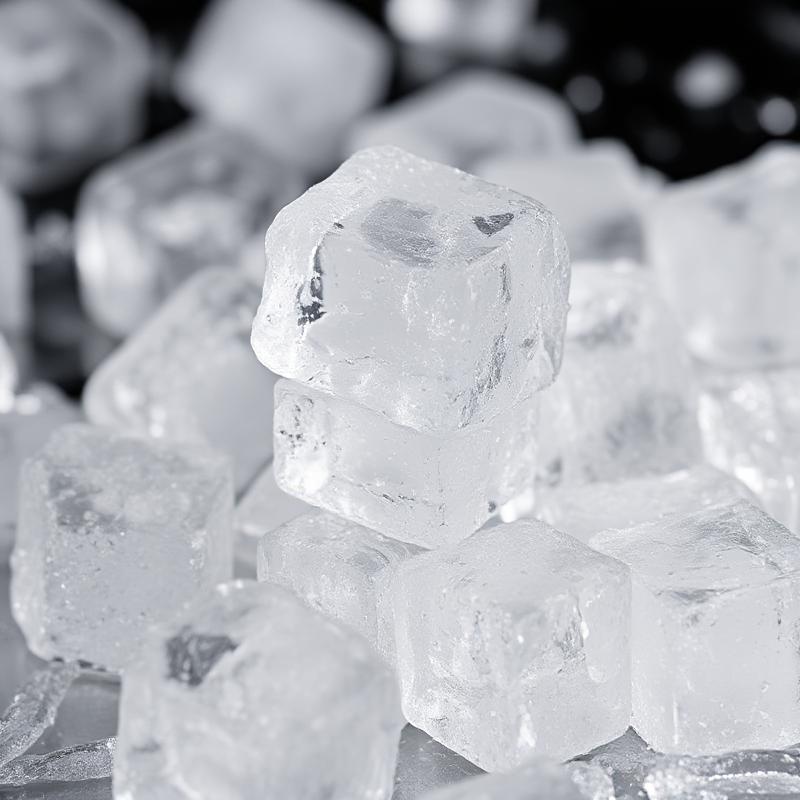
- Ice cubes (helps sharpen blades)
- Citrus peels (for freshening the drain)
- Small, soft food scraps (in moderation)
Find out about the most common plumbing issues plaguing homeowners.
So, What’s the Verdict?
If your clog is small and infrequent, DIY solutions can be a good first step. But for persistent or severe blockages, professional drain cleaning is the smarter, long-term choice.
At Blue Moon Drain Service, we use cutting-edge technology to clear even the toughest clogs safely and efficiently. Don’t waste time with temporary fixes—let us handle the problem once and for all.
Need professional drain cleaning? Contact Blue Moon today for fast, reliable service!
FAQ: DIY Drain Cleaning vs. Professional Service
1. What are the most common causes of clogged drains?
Clogged drains are often caused by grease buildup, food scraps, hair, soap scum, and foreign objects that accidentally go down the drain. In some cases, tree roots can invade underground pipes, leading to severe blockages.
2. Can I use boiling water to clear a clogged drain?
Boiling water can help dissolve minor grease clogs in metal pipes, but it can damage PVC pipes by softening or warping them. If you’re unsure about your plumbing material, stick to warm water or other safe drain-cleaning methods.
3. Are chemical drain cleaners safe to use?
Most store-bought chemical drain cleaners contain harsh ingredients that can corrode your pipes over time, especially if used frequently. They can also be harmful to your health and the environment. A safer alternative is using a baking soda and vinegar mixture or calling a professional for deep cleaning.
4. How often should I get my drains professionally cleaned?
It depends on your household usage, but most homeowners benefit from professional drain cleaning once a year. If you experience frequent clogs, slow drains, or foul odors, it may be time for a professional inspection.
5. What is hydro jetting, and how does it work?
Hydro jetting is a professional drain cleaning method that uses high-pressure water to clear out blockages, including grease, tree roots, and stubborn debris. It’s more effective than snaking and helps prevent future clogs by thoroughly flushing the pipes.
6. Can a clogged drain lead to bigger plumbing problems?
Yes! Ignoring a clog can lead to pipe damage, slow drainage throughout the house, foul odors, and even sewage backups. What starts as a small clog can turn into an expensive plumbing repair if left untreated.
7. When should I call a professional instead of trying DIY methods?
You should call a professional if:
- DIY methods aren’t working
- The clog keeps returning
- Multiple drains are backing up at the same time
- There are bad smells coming from your drains
- You hear gurgling sounds in your pipes
8. What’s the best way to prevent drain clogs?
To keep your drains clear:
- Never pour grease or oil down the drain
- Use drain strainers to catch food scraps and hair
- Run hot water down the sink regularly to flush debris
- Avoid flushing non-flushable items like wipes and paper towels
- Schedule routine professional drain maintenance
9. Is a plunger effective for clearing drains?
A plunger works well for minor clogs in sinks, tubs, and toilets. However, it may not be effective for deep or severe blockages. If a plunger doesn’t work, you may need a drain snake or professional assistance.
10. Why do my drains smell bad?
Foul odors from your drains can be caused by food debris, grease buildup, or even sewer gas escaping from the pipes. If DIY methods like baking soda and vinegar don’t eliminate the smell, a professional cleaning may be needed to clear out trapped waste and bacteria.
11. Does professional drain cleaning damage pipes?
No, professional drain cleaning (especially methods like hydro jetting and snaking) is safe for pipes when done by experienced technicians. In fact, it helps extend the life of your plumbing system by removing buildup that can lead to corrosion or leaks.
12. How much does professional drain cleaning cost?
The cost varies based on the severity of the clog, the cleaning method used, and your location. Simple drain snaking is usually affordable, while hydro jetting or sewer line inspections may cost more. However, professional cleaning can save you money in the long run by preventing costly plumbing issues.
References:
Stickley, A. (2024, September 16). 4 types of drain plungers and how to choose one. The Spruce. https://www.thespruce.com/types-of-plungers-2718737#:~:text=Plungers%20are%20basic%20household%20tools,with%20simple%20suction%20and%20pressure.
Stout, D. (2024, February 24). 15 things you should never put down a garbage disposal. Family Handyman. https://www.familyhandyman.com/list/15-things-you-should-never-put-down-a-garbage-disposal/?srsltid=AfmBOooQeIaV7TDc3FnUS5idm8MWSshRYkJWf6POK4Xn2MHdm-m_q634