
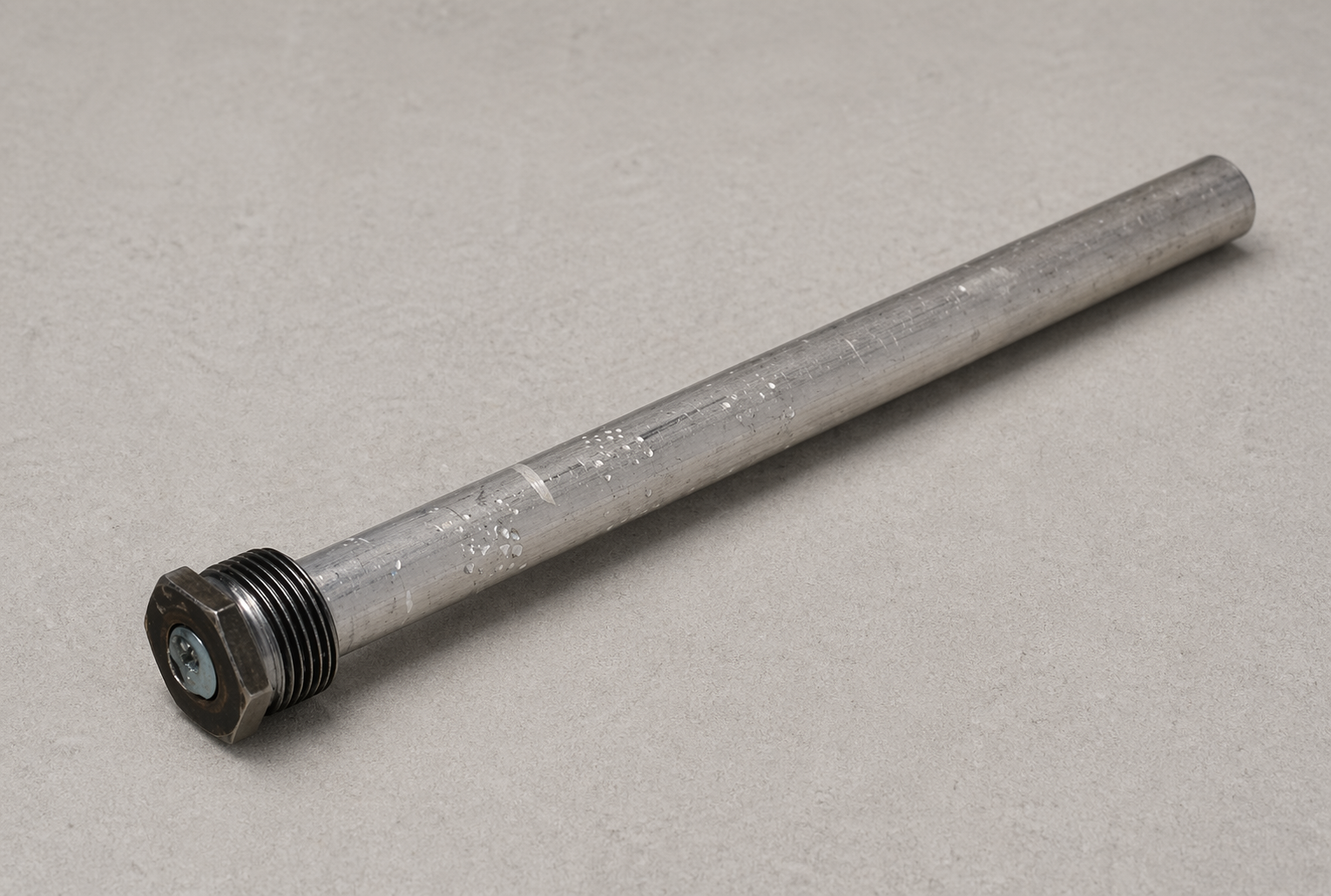
If you’ve ever wondered what keeps your water heater tank from rusting out, the answer is simple: the anode rod. This small but critical component quietly protects your tank from corrosion and can significantly extend the life of your water heater.
In this guide, we’ll explain what an anode rod is, how it works, how long it lasts, and when you should replace it.
What Is an Anode Rod?
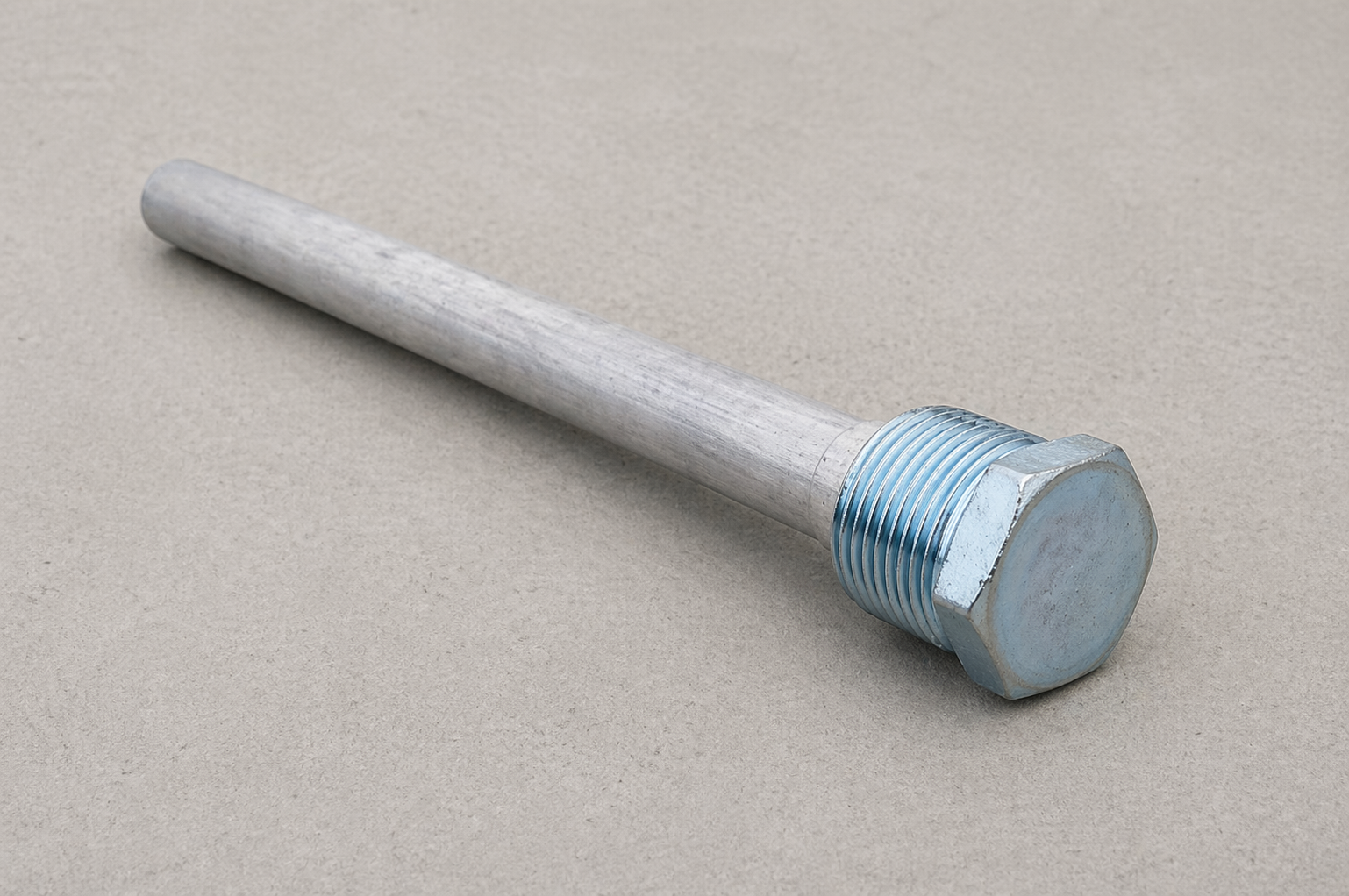
An anode rod is a metal rod installed inside your water heater tank. Its primary job is to prevent the tank from rusting by attracting corrosive elements in the water.
Because of this role, it’s often called a “sacrificial anode rod”—it corrodes so your tank doesn’t.
How Does an Anode Rod Work?
Water naturally contains minerals and impurities that can cause metal to corrode. Inside your water heater, these elements would normally attack the steel tank.
The anode rod changes that process.
- The rod is made of a more reactive metal (usually magnesium, aluminum, or zinc)
- Corrosive elements are drawn to the rod instead of the tank
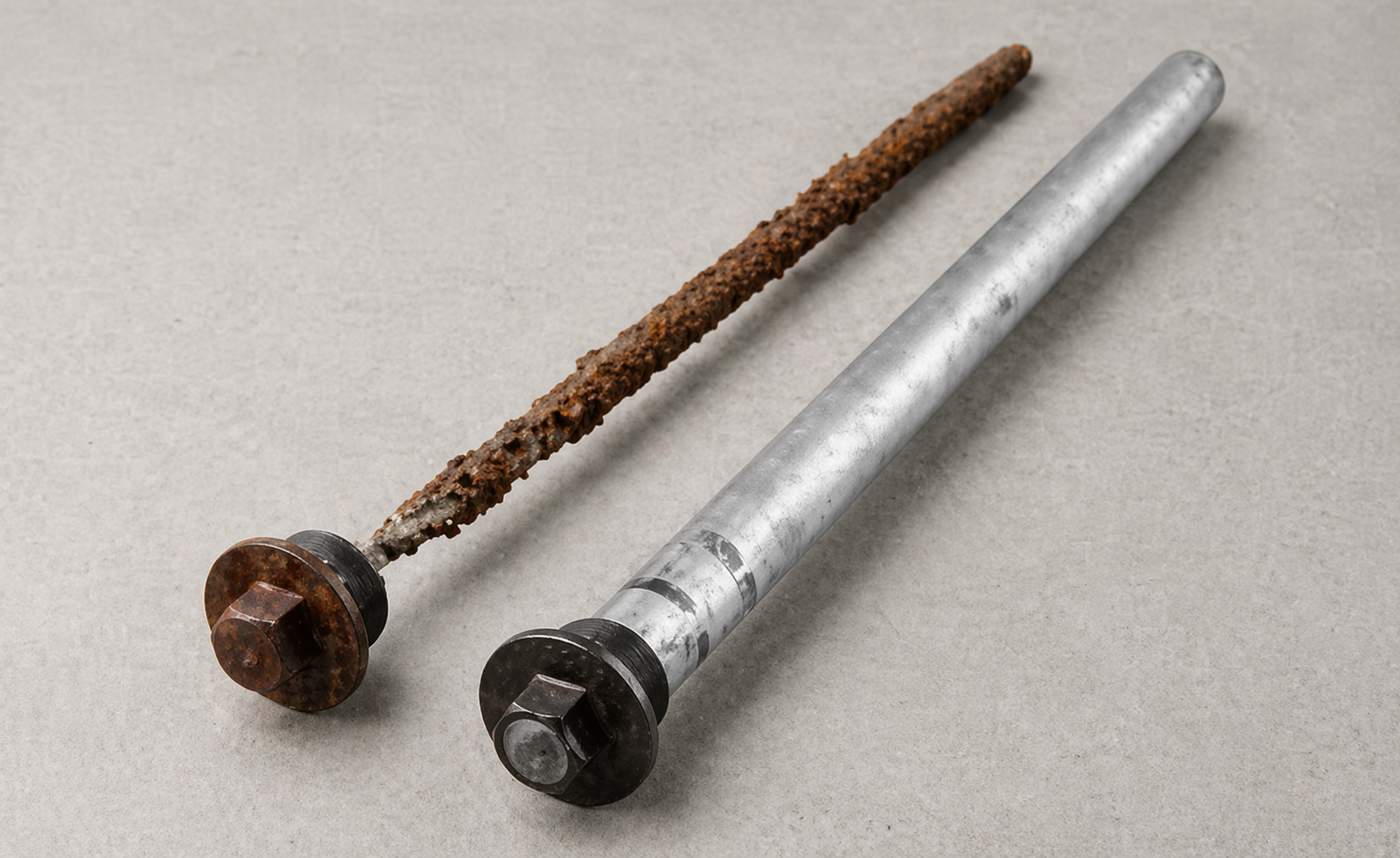
- Over time, the rod deteriorates while protecting the tank
Once the rod is fully corroded, your tank becomes vulnerable to rust and leaks.
Do All Water heaters Have Anode Rod?
Most tank water heaters (gas and electric) have an anode rod to protect the tank from rust and corrosion. However, tankless water heaters do not, since they don’t store water. Some newer or high-end tank models may use alternative corrosion protection instead of a traditional anode rod.
Tank water heaters are also known as storage water heaters.
Types of Anode Rods
Different types of anode rods are designed for different water conditions.
Types of Anode Rods
| Type of Anode Rod | Best For | Pros | Cons |
|---|---|---|---|
| Magnesium | Soft water | Strong corrosion protection, most effective material | Wears out faster, can cause odor in some cases |
| Aluminum | Hard water | Longer lifespan, more durable in mineral-heavy water | Less protective than magnesium |
| Aluminum/Zinc | Sulfur-smelling water | Helps reduce “rotten egg” odor | Slightly less effective at corrosion protection |
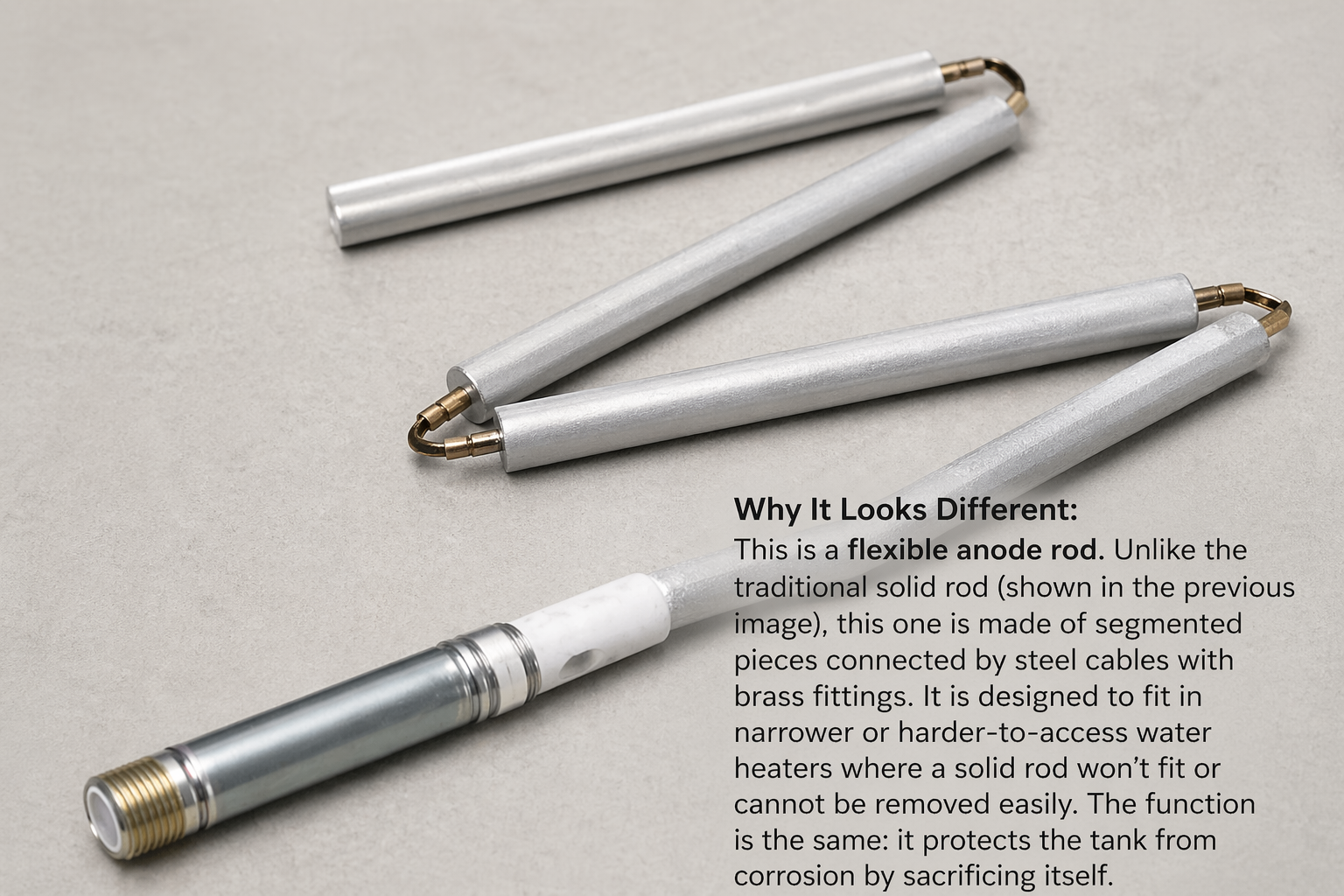
| Flexible (Segmented) | Tight spaces / low ceiling clearance | Easy to install, bends to fit small spaces, ideal for replacements | Typically more expensive, may not last as long as solid rods |
Flexible anode rods function the same as traditional rods but are designed with segmented sections connected by a cable, making them ideal for water heaters installed in tight or hard-to-access spaces.
How Long Does an Anode Rod Last?
Most anode rods last 3 to 5 years, but this can vary depending on:
- Water quality (hard vs. soft water)
- Frequency of water heater use
- Maintenance habits
In areas with hard water, the rod may wear out faster and need earlier replacement.
Signs Your Anode Rod Needs Replacement
You may not see the anode rod, but there are warning signs that it’s failing:
- Rust-colored water
- Metallic taste or odor
- Rotten egg smell (sulfur odor)
- Reduced water heater lifespan
- Visible corrosion when inspected
Ignoring these signs can lead to tank damage and costly replacement.
Example from the Field
A homeowner in North Texas noticed a sulfur smell coming from their hot water. Instead of replacing the entire water heater, a plumber inspected the unit and found the anode rod had deteriorated.
After replacing the rod:
- The odor disappeared
- The water heater continued working properly
- The homeowner avoided a full system replacement
This is a common situation where a simple, inexpensive fix can prevent a much larger expense.
Why Anode Rod Maintenance Matters
Replacing an anode rod is one of the most cost-effective ways to extend the life of your water heater. Find out how long water heaters typically last.
Benefits include:
- Prevents tank corrosion
- Extends water heater lifespan
- Improves water quality
- Reduces the risk of leaks or failure
Neglecting it can lead to tank failure, which often requires a full replacement.
Can You Replace an Anode Rod Yourself?
While it is possible, replacing an anode rod can be difficult due to:
- Tight fittings
- Limited clearance above the tank
- Risk of damaging the unit
Many homeowners choose to have a professional handle the inspection and replacement.
What Happens If the Anode Rod Breaks While I’m Replacing It?
If the anode rod breaks during removal, it usually means it’s heavily corroded and needs replacing. Try to remove any remaining pieces, but if some fall into the tank, it’s typically not an emergency—just install a new rod (a flexible one can help in tight spaces). If the rod is stuck or you’re unsure, it’s best to call a professional to avoid damaging the water heater.
How Often Should You Check It?
Experts recommend:
- Inspecting the anode rod every 2–3 years
- Replacing it every 3–5 years (or sooner if heavily corroded)
Regular maintenance helps you catch problems early and avoid unexpected failures.
Final Thoughts
An anode rod may be one of the most overlooked parts of your water heater, but it plays a crucial role in protecting your investment. By sacrificing itself, it prevents corrosion, extends the life of your tank, and keeps your system running efficiently.
If you haven’t had your water heater inspected recently, checking the anode rod is a smart place to start. The team at Blue Moon Plumbing can inspect your water heater, check the condition of your anode rod, and recommend the right solution to extend the life of your system. Whether you need a simple replacement or a full water heater evaluation, professional service can help you avoid costly repairs down the line.
FAQ about Anode Rods
What does an anode rod do in a water heater?
An anode rod protects the tank from rust by attracting corrosive elements in the water, preventing them from damaging the tank.
How often should an anode rod be replaced?
Most anode rods should be replaced every 3–5 years, depending on water quality and usage.
Can a bad anode rod make water smell?
Yes, a deteriorating anode rod can cause a sulfur or “rotten egg” smell in hot water.
Is it expensive to replace an anode rod?
No, replacing an anode rod is relatively inexpensive compared to replacing a water heater.
What happens if you don’t replace the anode rod?
If the rod is not replaced, the tank can begin to rust, eventually leading to leaks and complete failure of the water heater.