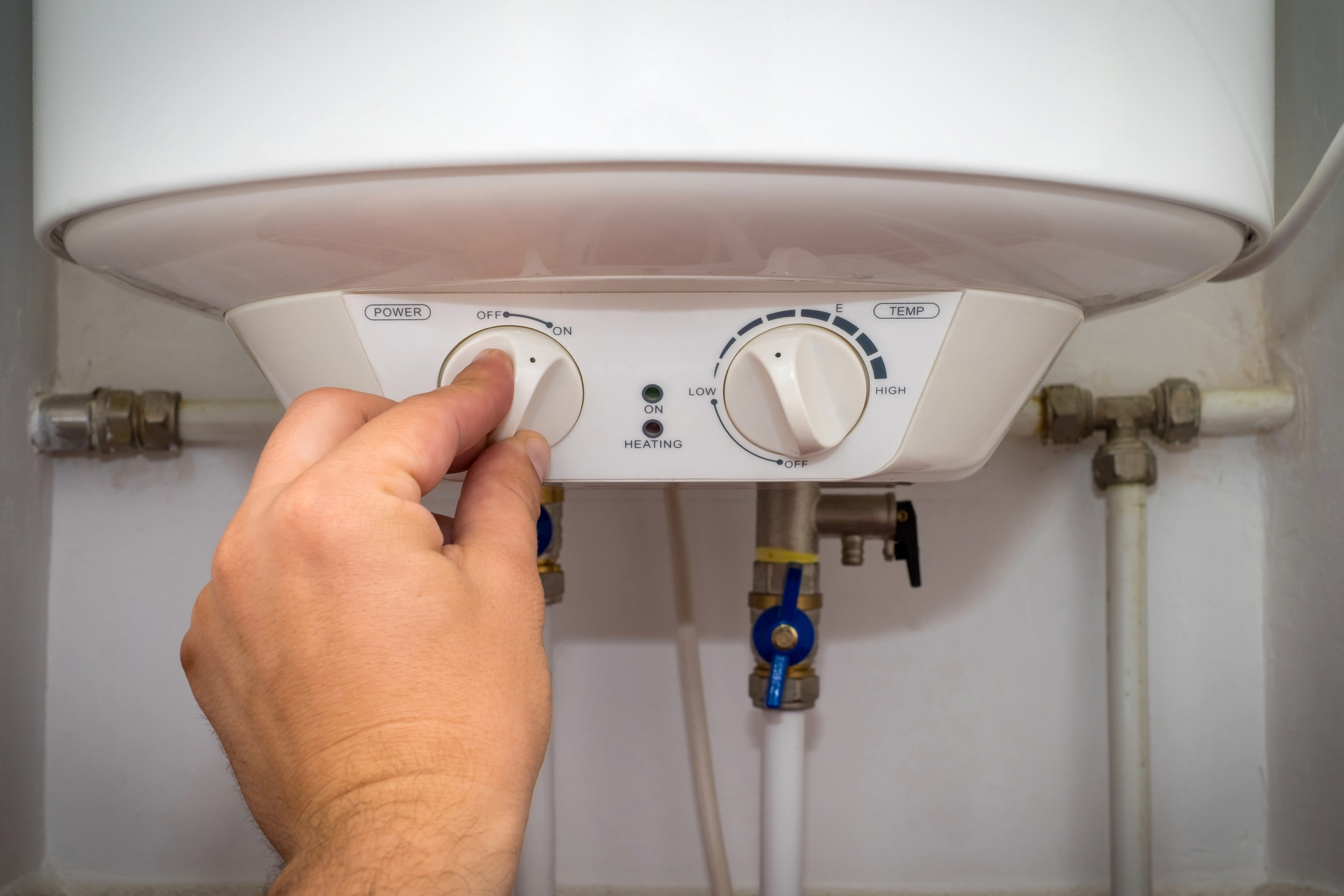
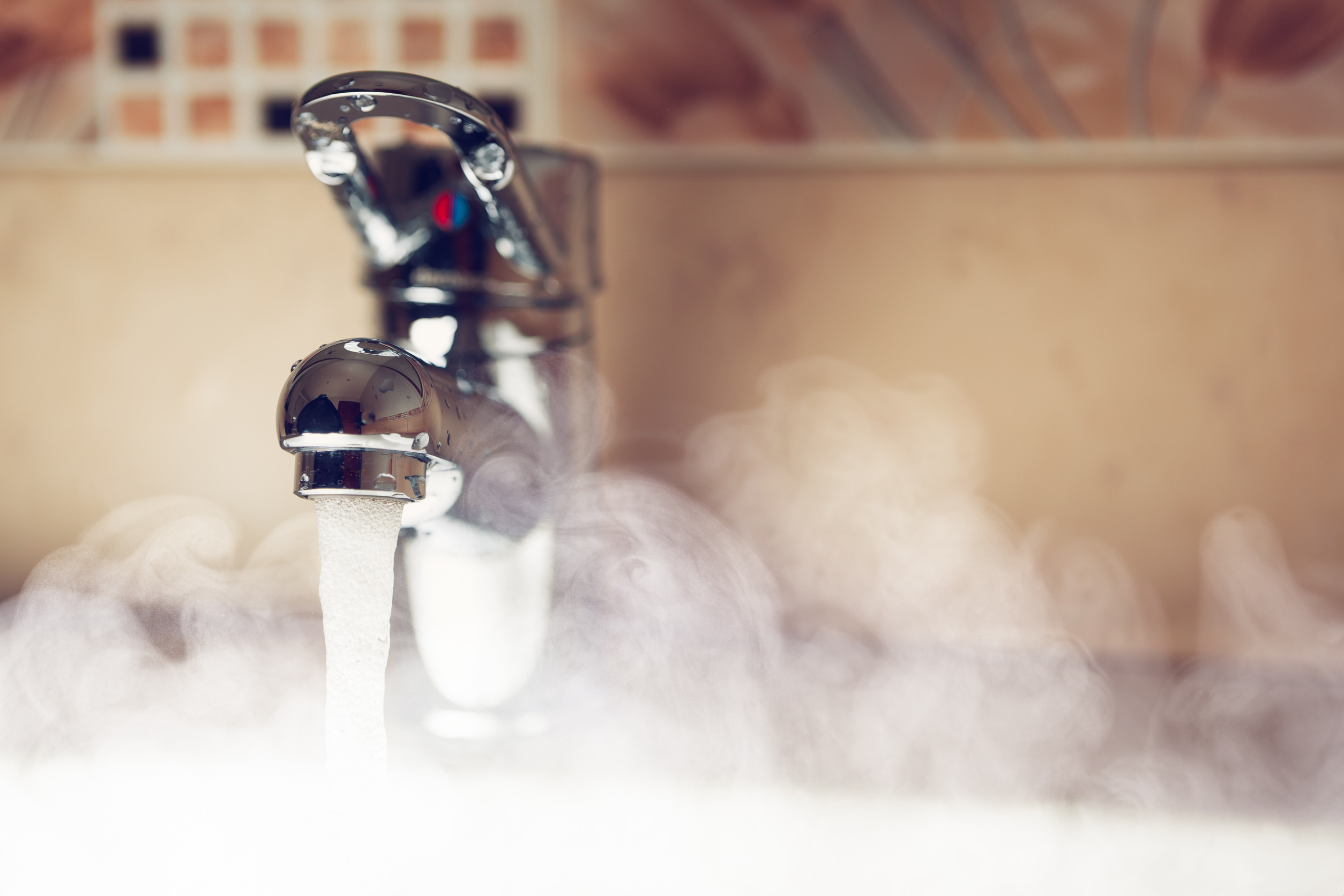
There’s nothing worse than stepping into the shower, expecting soothing hot water—only to be hit with an icy blast instead. Water heater troubles are annoying and frustrating. But how do you know when your water heater is just having an off day versus when it’s truly on its last legs? Here are some telltale signs that it’s time to call in the pros at Blue Moon Plumbing.
1. Your Water Isn’t Hot Enough (or at All!)
If your water heater isn’t producing enough hot water—or worse, none at all—this indicates a failing heating element, sediment buildup, or a broken thermostat. In some cases, a simple repair will do the trick, but if your unit is old, a replacement might be the better long-term solution.
2. Strange Noises Coming from the Tank
Does your water heater make banging, popping, or rumbling noises? That’s a sign of sediment buildup at the bottom of the tank. Over time, this buildup causes overheating, reduces efficiency, and leads to cracks in the tank. If flushing the tank doesn’t solve the issue, a replacement is necessary.
Littleton (2024) As a water heater ages and collects sediment, the pressure inside the tank increases. While water heaters are equipped with a temperature relief valve that releases this pressure, these valves can malfunction. When that happens, the pressure inside the tank can build up so much that it causes the water heater to explode out the bottom, launching it through the upper floors of the home and even through the roof.
3. Leaks Around the Water Heater
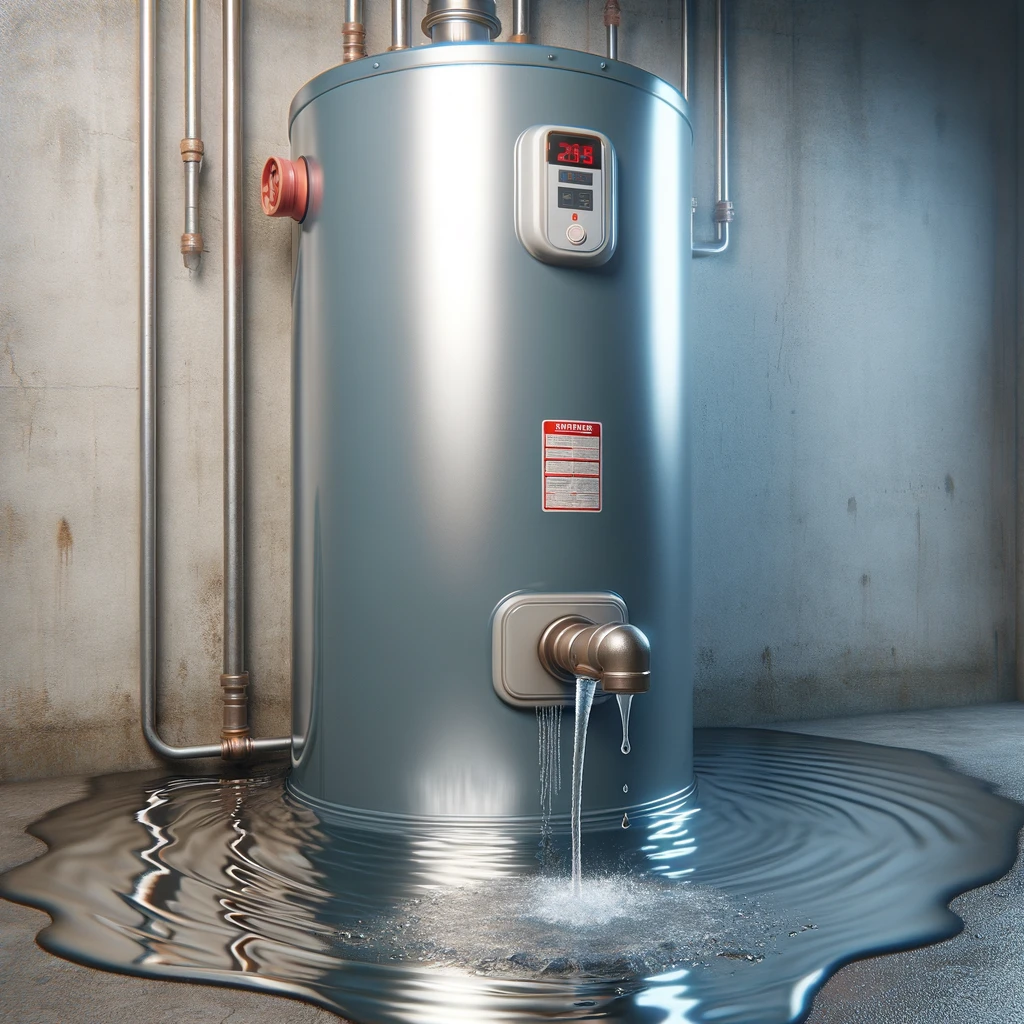
Water pooling around your heater is never a good sign. Small leaks will quickly turn into big problems, leading to damage and mold growth. If the leak is coming from a valve or connection, repairs are possible. However, if the tank itself is leaking, it’s time for a new unit.
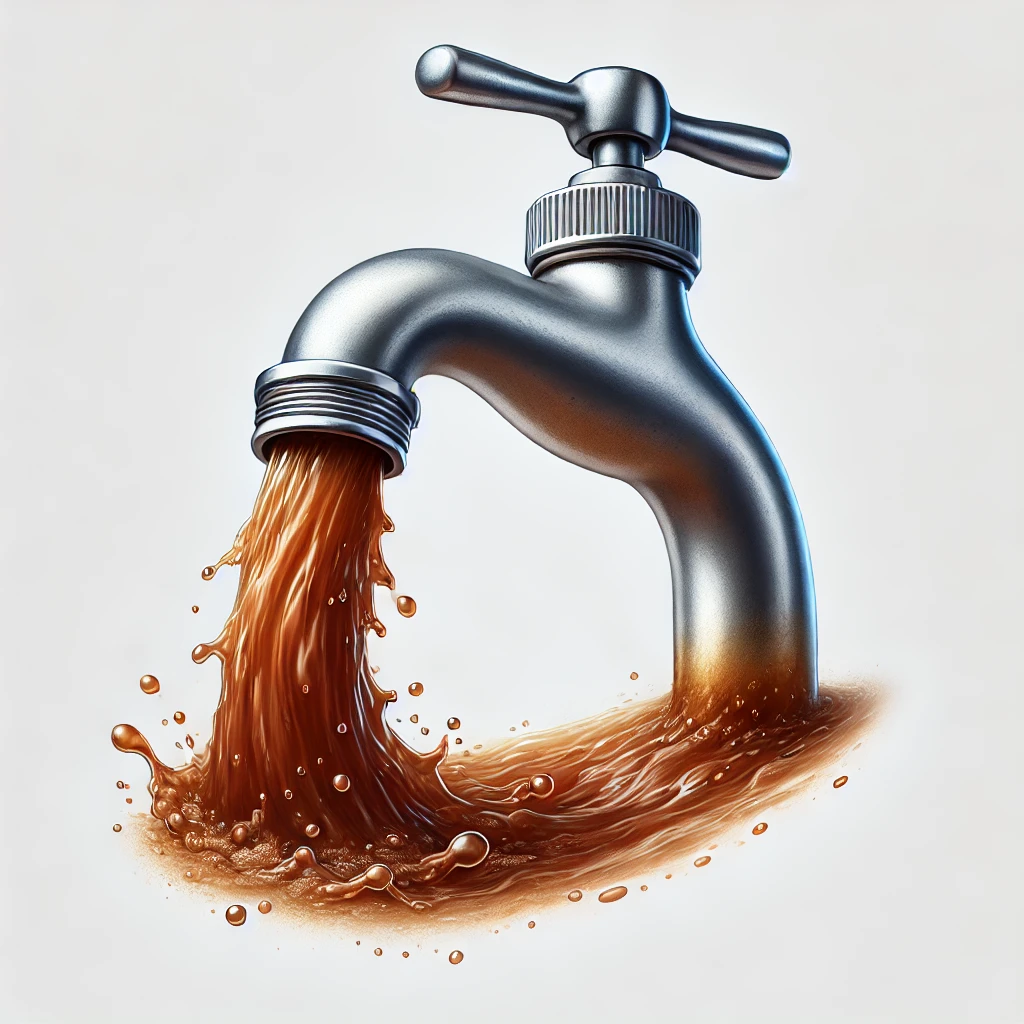
4. Rusty or Discolored Water
If you notice brown or rusty water when you turn on the hot tap, your water heater may be corroding from the inside. This is a serious issue that can’t be fixed with a simple repair—replacement is the best way to prevent potential water damage and ensure safe, clean water.
5. Your Water Heater Is Over 10 Years Old
Most traditional water heaters last about 8-12 years. If yours is approaching or exceeding this age, it’s more prone to breakdowns and inefficiency. Upgrading to a new, energy-efficient model—like a tankless water heater—will save you money on energy bills and provide endless hot water.

6. Fluctuating Water Temperatures
Do you find yourself adjusting the faucet constantly because the hot water keeps going from scalding to lukewarm? Inconsistent water temperature is a sign of a failing thermostat or heating element. While some issues are fixable, a replacement might be needed if your unit is aging.
Should You Repair or Replace Your Water Heater?
If your water heater is experiencing minor issues and is still relatively new, a repair is all you need. However, if it’s over a decade old and experiencing frequent problems, replacement is the smarter choice. Investing in a new, energy-efficient model will improve your home’s comfort and lower utility costs.
Call Blue Moon Plumbing for Expert Water Heater Service
Whether you need a quick repair or a full replacement, the team at Blue Moon Plumbing is here to help with all your water heater service needs. We specialize in water heater repairs, new installations, and energy-efficient tankless water heater upgrades. Don’t wait for a total breakdown—contact us today to keep your hot water flowing!
Water Heater FAQ: Usage & Maintenance Tips
If you want to get the most out of your water heater, regular maintenance and proper use are key. Here are some commonly asked questions to help you keep your water heater running efficiently and extend its lifespan.
1. How often should I flush my water heater?
For optimal performance, you flush your water heater once a year to remove sediment buildup, which reduces efficiency and leads to damage over time.
2. Why is my water heater making strange noises?
Popping, rumbling, or banging sounds indicate sediment buildup inside the tank. Flushing the tank will help, but if the noise persists, it’s time for a professional inspection.
3. What temperature should my water heater be set at?
The recommended temperature setting is 120°F to prevent scalding, improve efficiency, and reduce energy costs. If you have a larger household, adjust slightly higher, but never above 140°F.
4. How can I improve my water heater’s efficiency?
- Flush the tank annually.
- Insulate the tank and pipes.
- Set the thermostat to 120°F.
- Fix leaks or drips promptly.
- Consider upgrading to a tankless water heater for energy savings.
5. Why is my water not getting hot enough?
This could be due to a faulty thermostat, broken heating element, sediment buildup, or an aging unit. If adjusting the thermostat doesn’t help, a plumber needs to inspect your system.
6. How long do water heaters last?
Traditional gas tank water heaters last 8-12 years. Electric tanks last 10-15 years, while tankless models will last 20 years or more with proper maintenance.
7. What should I do if my water heater is leaking?
Turn off the water supply and power to the heater immediately, then call a professional. Leaks indicate anything from a loose connection to a failing tank that needs replacement.
8. Should I switch to a tankless water heater?
Tankless water heaters provide endless hot water, improved energy efficiency, and a longer lifespan, making them a great upgrade option—especially if your current unit is outdated.
Farrell (2019) As their name implies, tankless, or on-demand water heaters, don’t store water in a tank. Instead they heat water as it passes through the unit, using a heat exchanger to rapidly bring it up to temperature. (They run on electricity, natural gas, or propane.) Heating water only when you need it eliminates the standby energy losses you get with a storage tank.
9. How can I prevent my water heater from freezing in winter?
Insulate exposed pipes, keep your home’s temperature above 55°F, and let faucets drip slightly during extreme cold to prevent frozen pipes and damage.
10. When should I call a plumber for water heater issues?
If you’re experiencing no hot water, frequent temperature fluctuations, leaks, or strange noises, it’s best to call a professional before small issues turn into costly repairs.
Need expert water heater maintenance or repairs? Blue Moon Plumbing is here to help! Contact us today for reliable service.
References:
Farrell, M. (2019, January 25). Tankless water heaters vs storage tank water heaters. Consumer Reports. https://www.consumerreports.org/appliances/water-heaters/tankless-water-heaters-vs-storage-tank-water-heaters-a5291982593/?EXTKEY=SM72CR0D&&gclsrc=3p.ds&&msclkid=89800853c16b1a012d226fc9227dede3&utm_source=bing&utm_medium=cpc&utm_campaign=NB_NA_Appliances_DSA_X&utm_term=%2Fappliances&utm_content=NB_NA_Appliances_Appliances&gclid=89800853c16b1a012d226fc9227dede3&gclsrc=3p.ds
Littleton, S. (2024, January 2024). 11 ticking time bombs in your house-and what to do about them. Bob Vila. https://www.bobvila.com/articles/ticking-time-bombs-in-your-house/