When it comes to upgrading your water heater, one of the most important decisions you’ll need to make is choosing between a tankless water heater and a traditional water heater. Both options come with their own unique benefits and drawbacks, so how do you decide which one is best for your home and lifestyle? In this post, we’ll explore the key differences between tankless and traditional water heaters, and help you determine which option is right for you.
Understanding Traditional Water Heaters
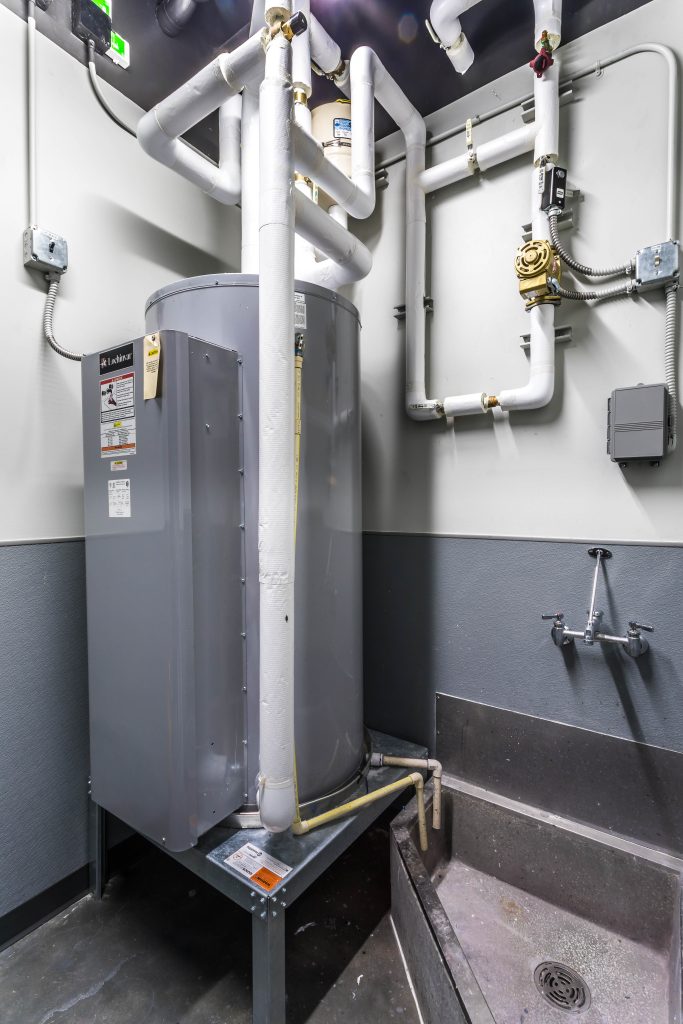
A traditional water heater, often referred to as a “tank” water heater, stores a large volume of hot water in a tank. These units are typically powered by electricity, gas, or oil and are designed to keep the water at a consistent temperature until it is needed. Most homes have traditional water heaters, which come in various sizes, usually ranging from 30 to 80 gallons.
Advantages of Traditional Water Heaters:
- Upfront Cost: Traditional water heaters are generally less expensive to purchase and install than tankless models. For homeowners on a budget, this can be a deciding factor.
- Ease of Installation: Installing a traditional water heater is relatively straightforward and can be completed quickly. It doesn’t require any special venting systems or significant modifications to your home.
- Hot Water Supply: A traditional water heater can supply a large amount of hot water at once, making it ideal for households with high hot water demands, such as multiple people taking showers simultaneously or doing laundry and dishes at the same time.
Disadvantages of Traditional Water Heaters:
- Energy Consumption: Traditional water heaters keep a large tank of water heated 24/7, which can lead to high energy consumption. Even if you’re not using the water, the system continues to consume energy to maintain the temperature, leading to higher utility bills.
- Space Requirements: A traditional water heater takes up valuable space in your home. This may not be an issue in larger homes, but for those with limited space, the bulky size of a traditional unit can be problematic.
- Limited Hot Water Supply: Once the hot water in the tank is depleted, you have to wait for it to heat up again. This can be frustrating for larger families or households with high hot water usage.
What Is a Tankless Water Heater?
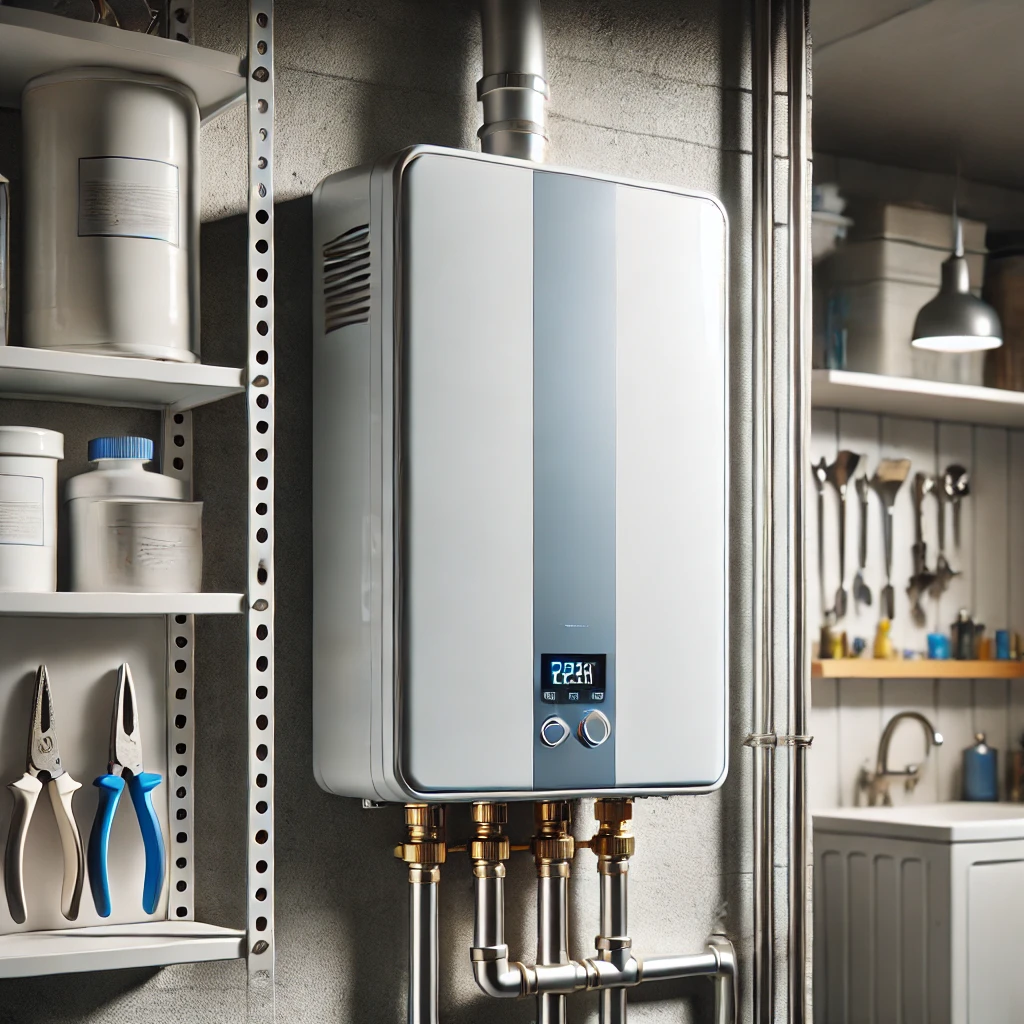
A tankless water heater, also known as an “on-demand” water heater, heats water as it flows through the unit, meaning there’s no need to store hot water in a tank. This system only heats water when you need it, offering a more efficient alternative to traditional water heaters.
Advantages of Tankless Water Heaters:
- Energy Efficiency: Tankless water heaters are much more energy-efficient than traditional models because they only heat water when needed. There’s no standby heat loss, which translates into lower energy bills.
- Endless Hot Water: Since tankless units heat water on demand, they can provide an unlimited supply of hot water. This means no more running out of hot water in the middle of a shower or while doing laundry.
- Space-Saving: Tankless water heaters are compact and can be mounted on a wall, making them ideal for homes with limited space. Their small size frees up room for other uses.
- Longer Lifespan: Tankless units generally last longer than traditional water heaters. While a traditional water heater may last around 10-15 years, a tankless water heater can last up to 20 years or more with proper maintenance.
- Lower Risk of Leaks and Flooding: Since tankless heaters don’t store water, there’s less risk of a major leak or flooding due to a burst tank.
Disadvantages of Tankless Water Heaters:
- Higher Initial Cost: Tankless water heaters tend to be more expensive to purchase and install than traditional units. However, the long-term savings on energy bills can help offset the initial investment.
- Installation Complexity: Installing a tankless water heater can be more complicated, especially if your home’s existing plumbing or electrical system needs upgrades. This will involve extra costs for professional installation.
- Limited Flow Rate: While a tankless water heater can provide endless hot water, it does have limitations when it comes to flow rate. If you have multiple fixtures running at once (e.g., showers, faucets, dishwashers), you might notice a decrease in water temperature or pressure.
U.S. Department of Energy (n.d.) sometimes, however, even the largest, gas-fired model cannot supply enough hot water for simultaneous, multiple uses in large households. For example, taking a shower and running the dishwasher at the same time can stretch a tankless water heater to its limit.
Many homeowners purchase multiple tankless water heaters to prevent this problem from occurring.
Which Should You Choose?
When deciding between a traditional and a tankless water heater, it’s important to weigh the pros and cons based on your specific needs. Here are a few factors to consider:
- Budget: If you’re looking for a lower upfront cost, a traditional water heater may be the more economical choice. However, if you’re willing to invest in a more energy-efficient system with a longer lifespan, a tankless water heater may be worth the higher initial cost.
- Hot Water Demand: If your household has high hot water demands, such as multiple family members using hot water at the same time, a traditional water heater might be the better choice. On the other hand, if you have a smaller household or are willing to manage water usage, a tankless water heater’s endless hot water supply could be a great option.
- Space: If space is a concern, a tankless water heater’s compact design will free up valuable room. Traditional water heaters take up more space and may not be ideal for smaller homes or apartments.
- Energy Savings: If you’re looking to reduce your energy consumption and lower your monthly utility bills, a tankless water heater’s energy efficiency will likely save you money in the long run.
Conclusion
Choosing between a tankless water heater and a traditional water heater depends on your home’s needs, budget, and energy goals. If you want a space-saving, energy-efficient option that provides endless hot water, a tankless water heater might be the best choice for you. However, if you’re working with a budget or need a higher hot water capacity, a traditional water heater may be the more suitable option.
For expert guidance and installation, reach out to Blue Moon Plumbing, our professionals will help you select and install the right water heater for your home.
After reading this article, you are now equipped to make an informed water heater decision that suits your home and lifestyle. Whether you choose a traditional or tankless water heater, ensuring that it’s properly installed and maintained will help keep your home comfortable.
References:
Department of Energy. (2025, March 10). Tankless or demand-type water heaters. Department of Energy. https://www.energy.gov/energysaver/tankless-or-demand-type-water-heaters